Lack of specialist doctors, delayed decisions, vague justifications, plus architectural barriers and faulty application practices - this is the system for assessing disability and determining the level of need for support in Wielkopolska. The Delegation of the Supreme Chamber of Control in Poznań uncovered numerous abuses and shortcomings in the four units included in the audit.
Support system for people with disabilities is limping along. NIK report on the situation in Greater Poland.

Published Aug. 18, 2025 07:36
The Supreme Audit Office inspected how four units responsible for issuing disability rulings in Greater Poland operated in 2023-2024: three district teams and a provincial team in Poznań. The audit was to assess both the correctness of the adjudication and the availability of public services for people with special needs.
Doctors are in short supply, rates are a deterrent
None of the teams was fully staffed - there was a particular shortage of psychiatrists, otolaryngologists, ophthalmologists or neurologists. Too low rates discouraged doctors from working in jurisprudence. As a result, decisions were issued by people without appropriate specializations, which risked unreliable diagnosis of patients' real needs.
Laconic justifications, no assessment of prognosis
The rulings issued were dominated by generalities. The lack of precise reasoning made it difficult to appeal decisions. Doctors also omitted information about patients' prognoses, which gave the impression of arbitrariness of decisions.
Illegal records in applications
As the NIK found, some forms contained provisions not provided for in the regulations - such as the threat of criminal liability for providing false data or the obligation to cover the cost of additional tests. Such practices may have discouraged applications.
Supervision of districts only on paper
The provincial team, which was supposed to supervise the work of district units, carried out only 42% of the planned inspections. In practice, this meant that there was no real oversight of the correctness of adjudication proceedings.
Long queues for decision on support level
A new system for determining the level of need for support has been in place since 2024. Only 25% of the proceedings had been completed by the end of the year - almost 24,000 applications were waiting for a decision, and most of them were already past the statutory deadlines. As a result, those in need of support were left without benefits - sometimes for months.
Lack of accessibility and architectural problems
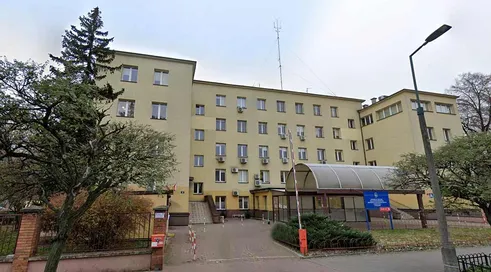
None of the inspected units provided full accessibility - there were no elevators, ramps or toilets adapted to the needs of people with mobility disabilities. In some cases, the way to the commission led through the hospital or through narrow, dangerous streets. Facilities for the deaf or blind were also lacking.
The institutions had no solutions for evacuating people with limited mobility in the event of a fire. Instructions did not take their needs into account, and there were no light or sound signals - greatly increasing the risk to their lives.
Conclusions of the NIK
The NIK recommended, among other things: obtaining specialist physicians, improving the quality of rulings, bringing application templates in line with the law, strengthening supervision of counties, and urgently ensuring that procedures and buildings are accessible to people with special needs.
Source: NIK