More than 99 thousand patients were treated with radiation therapy in Poland last year. This is 6,500 more than in 2021 and more than 7,700 more than in 2020! The number of radiation oncology specialists, medical physicists and electro-radiology technicians also increased. Does this mean that every patient eligible for radiation treatment already has equal access to it?
There is a new report on Polish radiotherapy in 2022

Published May 11, 2023 11:03
Fot. iStock/Getty Images
From the "Report on the state of radiation therapy in Poland as of 31.12.2022". compiled by the National Consultant in Radiation Therapy for Oncology (based on information provided by directors of cancer centers, heads of radiation therapy centers and provincial consultants in radiation therapy for oncology), shows that last year, 99,016 patients were treated with ionizing radiation in 52 radiation therapy centers across the country. The number of centers did not increase, but they managed to recruit more specialists. At the end of 2022, they employed 654 radiation oncology specialists - 20 (3%) more than a year earlier, 505 medical physicists - 10 (5%) more and 1132 electro-radiology technicians - 4% more than in 2021.
Two-thirds of patients are eligible for radiation therapy, but fewer are treated
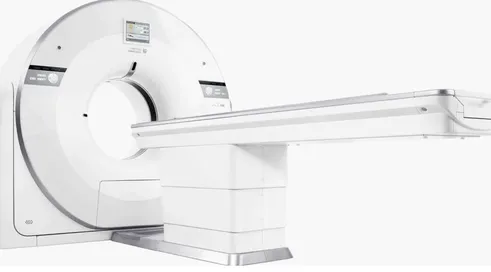
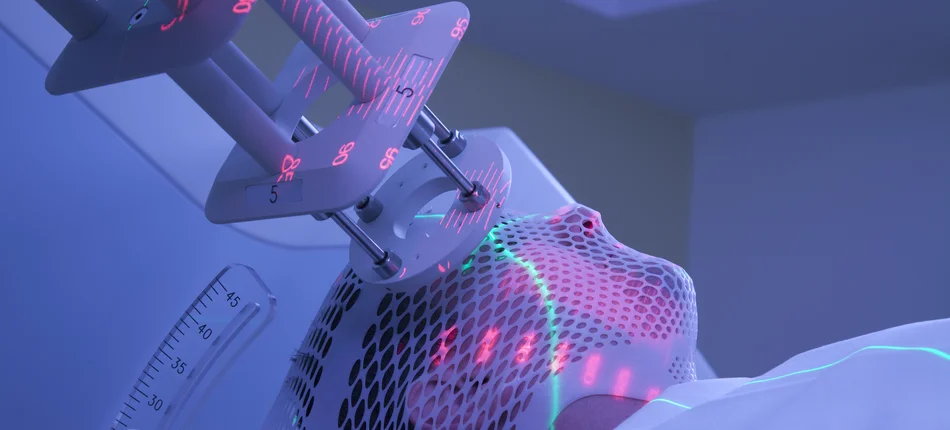
Radiation therapy (RT), or treatment with ionizing radiation, commonly referred to as irradiation, is - along with surgery and pharmacotherapy - one of the primary methods of oncological treatment. It is used alone (for example, in patients in whom the difficult location of the cancerous tumor makes classical surgery impossible) or is an integral part of combined treatment with surgery, chemotherapy and other drug treatments.
- It is widely accepted that the share of radiotherapy in the treatment of patients with malignant tumors should be about 2/3 of all cases. Despite the fact that the number of irradiated patients is increasing every year - there has been a 10-percent increase over the past five years - in Poland this rate does not exceed 50-55 percent, which means that 10-15 percent of patients do not benefit from this method of treatment, says Prof. Krzysztof Składowski, MD, national consultant in radiation oncology, director of the Gliwice branch of the Maria Sklodowska-Curie National Institute of Oncology - National Research Institute.
When asked why one in ten patients eligible for radiation treatment does not take advantage of this treatment method, Prof. Krzysztof Składowski answers that one of the main reasons is the unequal access to full-profile radiation therapy centers with a full range of irradiation methods, which are concentrated in large cities such as Warsaw, Krakow, the Silesian-Zagłębi Metropolis, Poznań, and the Tri-City. Inadequate oncological education of physicians also contributes to this to a very large extent.
- Numerous and long-standing observations, including from the COVID-19 epidemic, show that diagnostics aimed at confirming or ruling out malignant neoplasm implemented in primary care and outpatient specialized care is inefficient. The only effective solution to this problem seems to be consistent implementation of the National Oncology Strategy and effective implementation of the National Oncology Network," adds Prof. Krzysztof Składowski.
Thanks to the consistent implementation of the National Oncology Strategy, it has been possible to replace old radiation therapy equipment that is more than 10 years old. Despite this, in terms of radiotherapy equipment, Poland still lags behind the leading Western European countries, which include: Germany, France, the Netherlands, Belgium, Italy, the United Kingdom and Sweden. Among the countries of the European Union, we rank at an average level.
Interest in radiation therapy specialization still far from needed
A problem that keeps the National Consultant in Radiation Therapy Oncology up at night is the low interest in specialization training in this field. In 2022, compared to 2021, there was a decrease of 16 (14%) in the number of radiation oncology doctors undergoing specialization. For the past few years, an average of 150 doctors have been taking it (in 2023 - 146), with only about 30 new specialists each year.
- This is a figure that only makes it possible to compensate for the natural attrition of specialists reaching retirement age at existing centers, but it does not help to fully utilize the potential of newly established radiotherapy centers and limits investment plans, says Prof. Krzysztof Składowski.
Young doctors are more likely to choose specialties that are easier (such as dermatology or ophthalmology) and do not require them to have mathematical and physical knowledge. Some, on the other hand, reproduce the myth about the low therapeutic effectiveness of radiation oncology. And inadequate education of medical students is to blame for all of this.
- In the curricula of most medical schools, radiation oncology therapy as a separate subject does not exist at all. If medical graduates have encountered it, it is only because they have had classes at cancer centers. Meanwhile, radiation therapy is, in the opinion of many, the ideal specialty for a doctor who intends to take an active role in the treatment process, but without the pressure of the danger of the procedure being performed. Virtual planning and simulation of radiotherapy based on state-of-the-art systems reproducing individual anatomical and pathological conditions of the patient, as well as their reproducibility through state-of-the-art therapeutic apparatuses, are capable of completely fulfilling the professional and scientific aspirations of a young doctor," says Professor Krzysztof Składowski.
Due to the general shortage of specialist doctors, the examination system in Poland was modified in 2023, and changes to specialty training are planned for 2024. The main changes concern the exemption from the oral exam for those doctors who pass the test exam best, and the adaptation of internships and specialization courses to the current requirements of world radiotherapy.
"Report on the state of radiation therapy in Poland as of 31/12/2022". can be downloaded from the website of the national consultant in radiation oncology - HERE
infra