Felieton
Time of knowledge and reason

Published Jan. 28, 2022 10:03
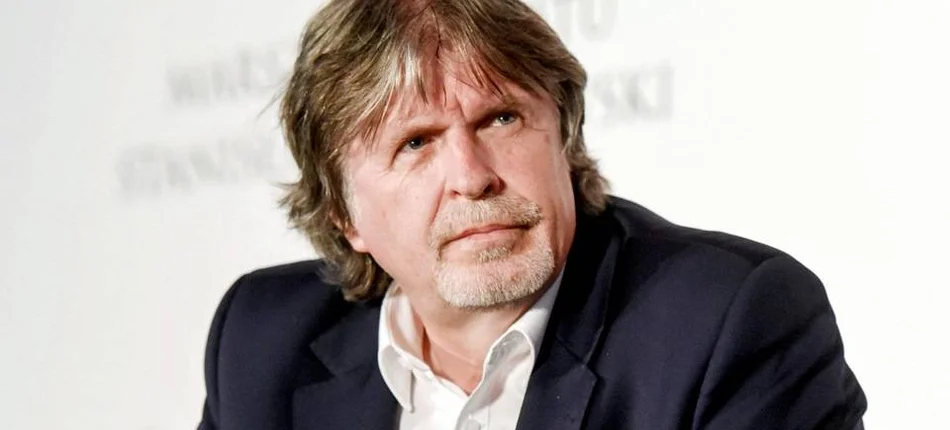
Fot. K. Rainka
As time goes by, we know more and more about the coronavirus and the disease it causes. We are gaining more and more experience in treating this disease, we observe the results of the actions taken and we are able to assess their effectiveness. It would seem that living in a time of crazy advancement of knowledge in all fields of science, that using never-before-existed opportunities to reach for knowledge, we will use all these opportunities when making decisions, including those related to the so-called fight against the epidemic, that we will simply they used their minds. It would also seem that we are behind the times of darkness and obscurantism, ignorance and simple stupidity, which we sometimes call - and wrongly - the dark Middle Ages, because in fact the Middle Ages are times of extremely lush and multidirectional mental life. And again it would seem that the 21st century will show and mark future times new, effective ways of dealing with further plagues, which will certainly affect humanity more than once in the future. Meanwhile, I had to wrap it all up with the words of disappointed hope, that is, "it would seem."
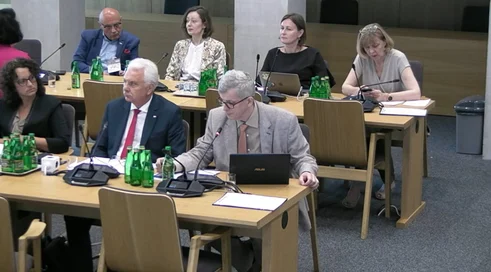
I am just after participating in the deliberations of the parliamentary committee, during which another law related to the epidemic was discussed. This time we debated about testing and about compulsory vaccination. After two years of the epidemic, after one year of vaccination, we already know that coronavirus infection results in the acquisition of immunity, but we also know that this immunity is short-lived. That, despite vaccination, we can get infected again, we can get sick again and, unfortunately, the vaccinated person may also die. But we also know that, both after infection and after vaccination, reinfection is fought faster, disease is easier, and the risk of death is lower. So it's worth getting vaccinated. However, vaccination, while temporarily protecting a person, does not prevent the epidemic from spreading further. Using reason, on the basis of the knowledge we already have, we should set up the tools to fight the epidemic at our disposal in the right place. Meanwhile, emotions related to vaccinations from the street have already spread to parliamentary rooms and in Poland, but also in Europe, the fight for everything or nothing has flared up. Neither side is right, but there is no more room for rational discussion.
The issue of compulsory or voluntary vaccination is just one of the issues related to the epidemic. The actions or lack of action by the state during a pandemic are, unfortunately, mostly a series of errors, omissions, delayed, missed, sometimes bizarre and even funny decisions. After all, the decision to prohibit access to the forests was funny, because the decision to test only those who showed symptoms of the disease was wrong, because it was a great omission to bring Poles, mainly from Great Britain, to Poland for Christmas in December 2020, without having to test them for the presence of a virus.
Since I so often criticize the rulers in relation to their decisions - or the lack of them - related to the epidemic, the question is often asked: What had to be done? Fortunately, I wrote and talked about it many times. It was necessary to appoint a government plenipotentiary for combating the epidemic. It was already necessary two years ago to prepare an efficient and efficient testing system for 300,000, then for 500,000 a day, and laboratories with adequate capacity. Tests should be for everyone who wants to, and it's free. It was necessary to create an efficient system of organizing the quarantine so that it would not last unnecessarily long. It was necessary to organize an efficient transport system for the infected, suspected of being infected and the sick, so as not to paralyze the medical rescue system. It was not necessary to build large temporary hospitals, but separate pavilions next to existing hospitals. The streak of wrong decisions and omissions is even longer. Only the money spent on respirators and masks went smoothly.
And that also gives food for thought.
Source: "Służba Zdrowia" 1-2/2022
Topics
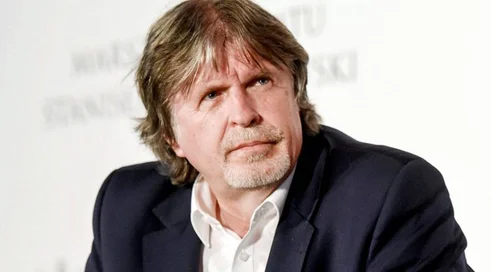
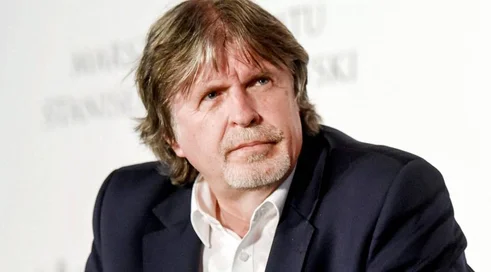
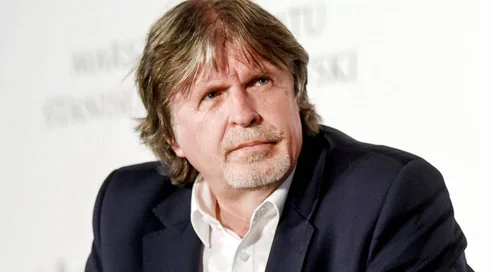
Andrzej Sośnierz