Although Polish patients can take advantage of free and virtually queue-free preventive examinations, there are few takers, family doctors say. Meanwhile, waiting rooms for primary care offices are crowded. Unfortunately, more and more often these doctors diagnose not simple infections, but cancers, and in advanced stages.
Today is World Oncology Day. Doctors appeal to use preventive examinations

Published Oct. 4, 2023 10:08

ThinkstockPhotos
Every year in Poland, more than 160 thousand people hear the diagnosis - it's cancer. 10 thousand die, and 440 thousand live with a diagnosed cancer. With the first symptoms of cancer, patients most often go to primary care physicians. As a result, family medicine specialists refer them for additional tests. Here they set up DiLO cards for patients. Today is October 4 - World Oncology Day. This is an opportunity to take advantage of preventive examinations that can save health and life," reminds the Federation Zielonogórski Porozumienie Zielonogórskie.
The main killer for several years has been lung cancer - as many as 26 percent of Poles die from this cancer. It used to attack mainly men, but now also women. One in 10 deaths is caused by prostate cancer, and more than 8 percent of patients are affected by colon cancer. If detected early - 5-year survival rates are 90 percent of patients. But not in Poland, where most patients are brought to specialists with advanced cancer. In such a situation, only 5 percent of patients live to five years after diagnosis.
The most common cancer among women is breast cancer, which is being diagnosed in increasingly younger patients - usually 40-55 years old. Globally, 70-90 percent of patients have a chance of being cured, but in Poland it is only 60 percent.
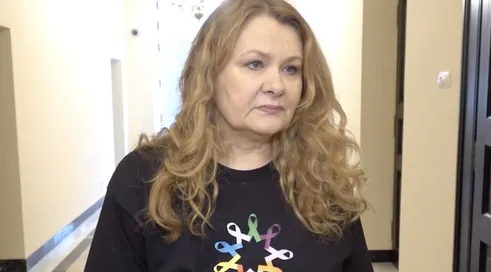
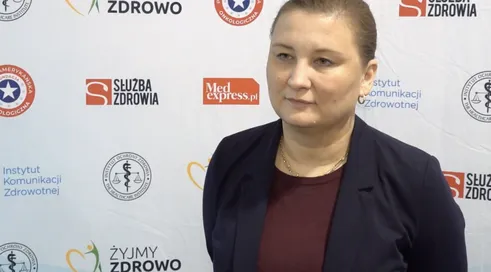
- We are increasingly diagnosing cancers in our patients. Most often of the abdominal cavity: stomach, liver, colon. Unfortunately, there are patients in advanced stages, already with metastasis," says Dr. Agata Slawin, a family doctor from Lower Silesia, an expert of the Federation Porozumienie Zielonogórskie.
Family physicians have the most frequent contact with their patients. Often, during a routine visit or during an interview for other programs, such as CVD, a doctor learns that patients have had troubling symptoms for a long time and have done nothing about them. They didn't seek help from oncologists or do additional tests. They came here, to the PCP's office.
- In any disease, but in oncology especially, time is of the essence. The patient's life often depends on a quick diagnosis. More and more often DiLO card is issued to patients - it's a fast track for oncological treatment," says Joanna Szeląg, an expert of the Federation Porozumienie Zielonogórskie.
Such a card can be issued by a primary care doctor, another specialist or a doctor at the hospital. It does not matter who does it, but how quickly. Most often, patients go to the PCP.
- I always ask my patients about, when they had a cytology or mammogram. I use every visit to remind them about prevention," adds Joanna Szeląg.
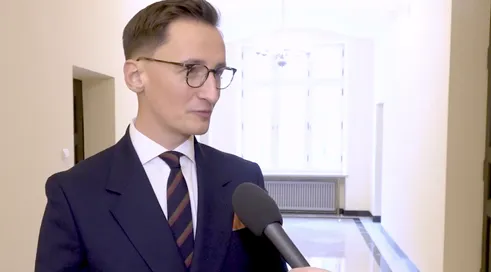
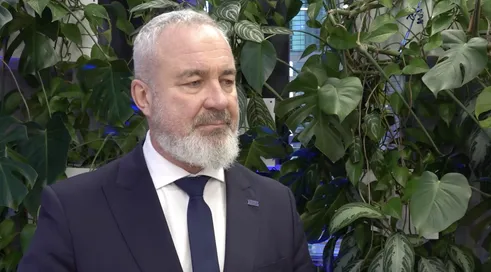
- The most important thing is prevention. In Poland, tests are available to detect breast, colorectal, lung or cervical cancers at an early stage. The most important thing is to maintain oncological vigilance and take advantage of these tests," says Wojciech Pacholicki, vice-president of the Federation Porozumienie Zielonogórskie.
- Of course, we are happy that patients come to us, to family doctors. It's good that they trust us, but they don't have to line up at our offices. They don't have to wait to see an oncologist. They should start by taking advantage of preventive examinations - that's where the queues should be made. Meanwhile, there are not many people willing to go for mammography or colonoscopy," adds Dr. Agata Slawin.
On World Cancer Day, each of us should think about what preventive tests are worth doing. For your health, sense of security and peace of mind.
- There is also still a lack of sound pro-health education conducted in schools, among children and young people. Little is said there about prevention, research and healthy lifestyles. - Meanwhile, when a grandchild gains knowledge of, for example, diabetes or breast cancer, he or she can motivate his or her mother or grandmother to get tested, so it's worth talking about it with the youngest," adds Wojciech Pacholicki.
Elaborated. based on: press release