30 percent Poles declare that they regularly perform preventive examinations, and another 44 percent. - that he performs them "from time to time" - results from a study carried out by the My Patients Foundation in cooperation with the Patient Ombudsman. The Foundation points out, however, that the declarations are not entirely, to put it very mildly, in line with reality.
What about prophylaxis? Why Poles do not want to be tested?

Published April 13, 2022 17:08
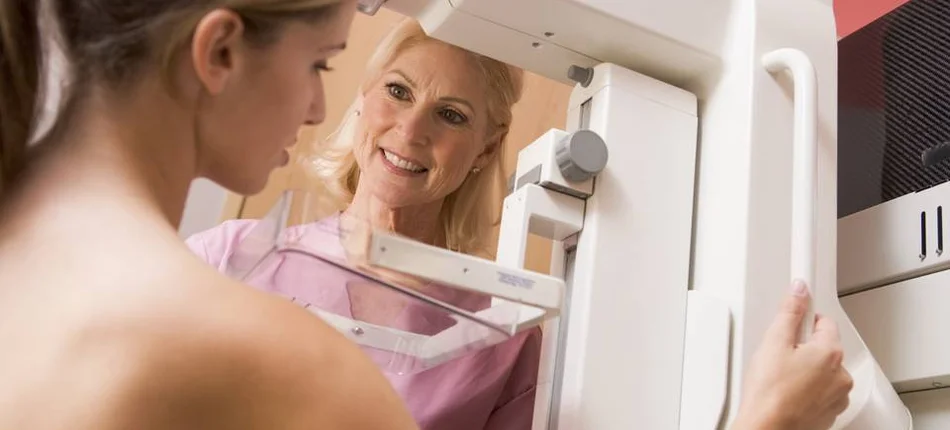
Thinkstock/GettyImages
"The positive attitude towards preventive examinations declared by the respondents may raise optimism. However, the official data of the National Health Fund regarding the actual reporting to preventive actions are not so positive. The information from the National Health Fund shows that before the outbreak of the COVID-19 pandemic, the number of participants in prophylactic programs - e.g. mammography and cytology - was higher than during the pandemic "- comments the My Patients Foundation. who perform tests under the cervical cancer prevention program, was around 15-17 percent. More women - almost 40 percent - participate in the prevention of breast cancer. The prevention of other cancers is not so "popular" and the effect is many more frequent in Poland than, for example, in Western Europe and the USA, detection of advanced neoplasms. Things were additionally complicated by a pandemic, during which some preventive programs were even suspended, and access to tests performed outside the programs - mainly within the public system, but also privately - was difficult.
Comparing the declarations made in the course of the public opinion poll (almost half of the surveyed women confirmed the performance of mammography or cytology tests during the 12 months preceding the survey) with the NHF data on reporting for prophylactic examinations, a big difference can be seen. It may be partially due to the fact that there is a large (how large, unknown) group of women who perform preventive examinations on their own, either by paying for them out of their own pocket, or as part of their medical subscriptions, whether private or employee-related. However, undoubtedly some of the respondents make declarations that are not backed up by the facts - they know that preventive examinations are important and should perform them, and hide that they do not do it. Thus, people who do not test at all may claim that they do tests "from time to time," or even regularly, and those who have done one or two high-forehead tests say that they test regularly. We Patients are guided by the slogan: "Explore, don't talk!"
What can be done so that more Poles - including those who declare understanding for the need for regular testing - actually participate in prevention?
Over 40 percent of the respondents believe that invitations "in a convenient form" (letter, e-mail, text message) are a good way. Every third think that it would help to hand out invitations during visits to primary health care clinics, and more or less the same - that preventive examinations should be included in occupational medicine. Almost a quarter of Poles are in favor of a financial bonus for regular testing, and a similar group - for a higher health premium for those who do not test themselves. One in five sees an opportunity to introduce the subject of health science to schools. It is worth noting that all these methods have been the subject of more or less theoretical considerations for years (they were widely discussed, for example, during the one-year national debate "Together for health" financed and organized by the Ministry of Health. during the 2019 elections, they were to become the basis for changes in the health care system, but after the 2019 elections, before the pandemic, they fell into the ministerial drawer.