The number of DiLO cards is steadily increasing. In 2025, it exceeded 440,000, a 22 percent increase in two years. For patients, this is good news, because a DiLO card is a faster diagnostic pathway, leading to the start of treatment. So it means, in many cases, a better chance for health or life.
What does the DiLO card data show?

Published Feb. 6, 2026 08:10

Fot. Getty Images/iStockphoto
On February 4, World Cancer Day, the National Cancer Institute hosted a conference with the participation of, among others, Health Minister Jolanta Sobieranska-Grenda and Patient Ombudsman Bartlomiej Chmiellowec, "Oncology - together we can do more!", during which the challenges, but also successes in implementing the National Cancer Strategy were discussed, that is, simply, more comprehensive and coordinated, and thus more effective oncological care, from prevention to the period after oncological treatment.
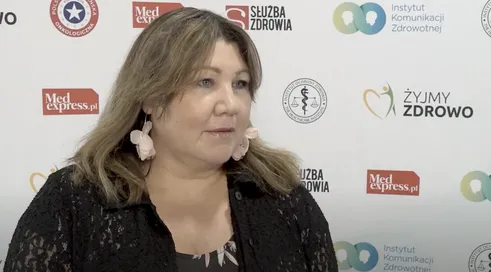
- Most importantly, we have broken this impasse of so-called green cards, DiLO cards. A DiLO card is nothing more than a fast track for oncology, as it is both in the area of diagnosis and treatment," said Dr. Beata Jagielska, director of the National Institute of Oncology - PIB. According to the information provided, in 2023 a total of 360,144 DiLO cards were issued throughout the health care system. A year later, the number rose to 402,675, and in 2025 it reached 440,067.
The increase applies to all levels of the system. In PCP, the number of cards increased from 135,412 in 2023 to 157,842 in 2025. In AOS, there was an increase from 153,155 to 202,376. In inpatient care, the number of DiLO cards increased from 71,577 to 79,849.
As the head of the NIO stressed, the DiLO card is not only a guarantee of faster access to diagnostics, but also of monitoring the patient's path. Oncology patient advocacy organizations point out that the chances of successful treatment are determined all the time by the stage before the card is issued - and it is there that the patient's fate is decided, literally.
However, oncology care is definitely moving in the right direction, experts say. - More than 77 percent of oncology patients begin treatment within fourteen days, and importantly, this treatment begins after a consilium. Colorectal cancer is leading the way, with more than 84 percent of patients completing diagnosis - both initial and in-depth - along with a consilium. On average, 75 percent of patients complete diagnosis on time, meaning initial diagnosis in 28 days and in-depth diagnosis in 21 days, Jagielska said. Experts and decision-makers have high hopes for the e-DiLO card and quality indicators, the work on which is entering a decisive phase.