A preclinical study in mice suggests that blocking a major inflammatory pathway that is activated in pancreatic cancer makes tumors vulnerable to chemotherapy and a type of immunotherapy that stimulates the immune system's T cells to attack the cancer cells. The therapy more than doubled survival in a mouse pancreatic cancer model.
Promising results from a preclinical study for the treatment of pancreatic cancer

Published March 8, 2022 11:41
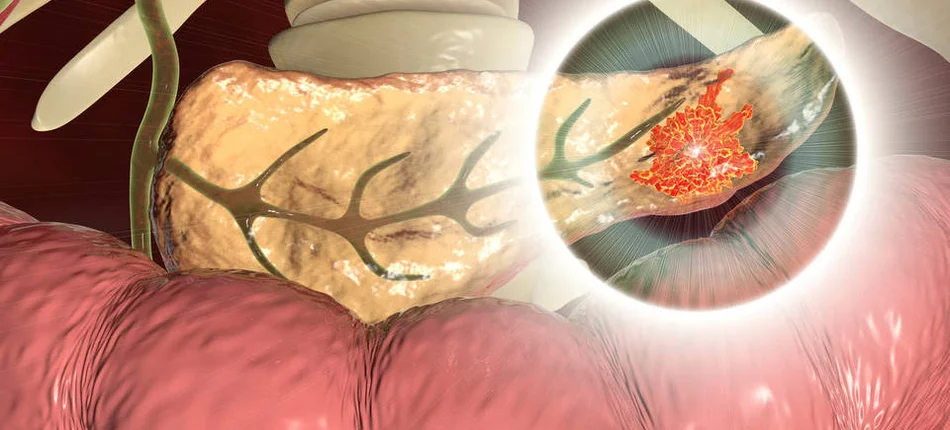
rak trzustki
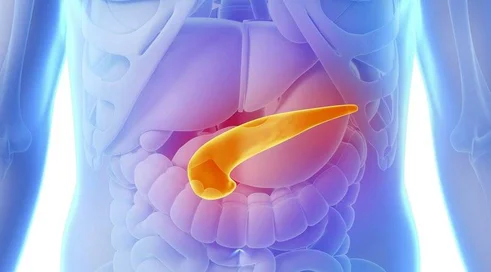
Pancreatic cancer is one of the most aggressive and deadly types of cancer, known to be resistant to virtually all treatments, including newer immunotherapies.
The study results, published in the journal Gastroenterology , provide additional support for the rationale for a new US national clinical trial that will evaluate the same treatment strategy in adenocarcinoma patients ductal pancreas - the most common malignant neoplasm of the pancreas. Scientists plan to register about 50 patients nationwide.
University of Washington researchers at the Siteman Cancer Center at Barnes-Jewish Hospital and Washington University School of Medicine will lead a national study that is part of the Experimental Therapeutics Clinical Trials Network National Cancer Institute (NCI). The network covers more than 30 clinical centers in the US and Canada and is the result of a collaboration between industry, medical academia and researchers focusing on early clinical trials of innovative cancer therapies.
"With this therapy, we are following a path that we know is involved in fueling the aggressiveness of pancreatic cancer. The results of this study are promising as they showed a way to break the defenses of this type of tumor, making it susceptible to our therapeutic measures, including combinations of chemotherapy and newer immunotherapies that stimulate T cells to fight cancer, "the authors say.
Scientists have found that a protein called IRAK4 drives inflammation in pancreatic tumors and depletes T cells, meaning cells cannot function as they should by attacking harmful cells in including cancer. Scientists tested an IRAK4 inhibitor called CA-4948 and found that treatment reduced inflammatory signaling in tumors in mice and improved the ability of T cells to infiltrate tumors and kill pancreatic cancer cells. The therapy also sensitizes tumors to a type of immunotherapy called checkpoint immunotherapy, which 'cuts' the T cells, improving their ability to attack cancer cells.
Scientists have found that an IRAK4 inhibitor closes a key pathway called NF-kappaB, which has long been known for its role in cancer management. Much research has focused on closing this pathway and its downstream effects after its activation. The novel element of this therapy is that the IRAK4 inhibitor primarily prevents the activation of the harmful pathway.
In mice with a common aggressive pancreatic cancer model, researchers found that the IRAK4 inhibitor alone increased survival compared to placebo or chemotherapy. When combined with an IRAK4 inhibitor with chemotherapy, it further increased survival compared to placebo or chemotherapy alone. Moreover, when combined with the two immunotherapies, the IRAK4 inhibitor significantly increased survival from an average of 25 days with the inhibitor alone to an average of 46 days with the inhibitor and immunotherapy combination. Some mice survived for up to 100 days on combination therapy.
The IRAK4 inhibitor has already been included in national clinical trials investigating its use against blood cancers.
Source: ScienceDaily