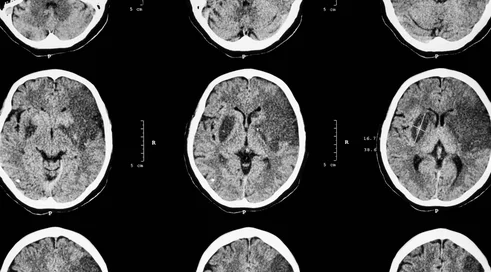
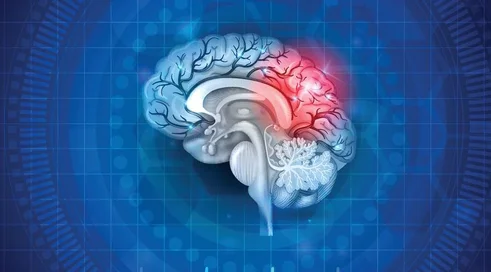
The latest online edition of the journal Neurochemical research published an article titled: "Acute Low Dose Naltrexone Increases β-Endorphin and Promotes Neuronal Recovery Following Hypoxia-Ischemic Stroke in Type-2 Diabetic Mice." The article shows that low-dose naltrexone therapy (LDN therapy) increases β-endorphin levels and promotes neuronal recovery after hypoxia and ischemic stroke in type-2 diabetic mice.
Dr. Marek Derkacz, MBA
LDN may help recovery from stroke

Published May 16, 2023 11:05

Fot. arch. red.
Stroke is estimated to affect several million people worldwide each year. According to WHO data, it is one of the most common causes of death and disability. While 10-15% of all cases are hemorrhagic strokes, the vast majority, about 85-90% of strokes, are ischemic.
Jak wygląda sytuacja w naszym kraju? W Polsce co osiem minut ktoś przechodzi udar mózgu, zaś każdego roku dotyka on około 75 tysięcy Polaków. Niestety ponad 30 tysięcy chorych umiera z powodu udaru mózgu, a to oznacza, że około 45 tysięcy zmaga się z jego ciężkimi następstwami, niekiedy nawet do końca życia. Niedokrwienie mózgu stanowi w naszym kraju trzecią najczęstszą przyczynę zgonów, zaraz po chorobach serca i nowotworach.
Diabetes, both type 1 and type 2, can increase the risk of ischemic stroke. The disease adversely affects the condition of blood vessels, accelerates vascular atherosclerosis, which increases the risk of thrombus formation in the circulatory system. For this reason, people with diabetes are more likely to suffer an ischemic stroke compared to healthy people. This type of stroke is caused by blockage of a blood vessel supplying blood to the brain. In fact, according to some researchers-even up to 30% of ischemic stroke incidents occur in patients with diabetes. In contrast, a meta-analysis of prospective studies showed that the risk ratio for ischemic stroke in people with diabetes compared to those without diabetes is as high as: 2,27!
Both diabetes and associated hypoglycemia (blood glucose levels too low) exacerbate ischemic brain damage in experimental animals. In turn, hyperglycemia (blood glucose levels that are too high) mediates neurological deterioration in acute stroke due to its negative effects on the brain, while acute hyperglycemia before or during ischemia worsens ischemic brain damage in animal studies.
Diabetes, not only increases the incidence of ischemic stroke in all age groups in humans, but also worsens the distant prognosis after ischemic stroke. Patients with diabetes have significantly elevated levels of acute phase proteins and pro-inflammatory cytokines such as TNF-α and IL-1 compared to healthy individuals. This, in turn, contributes to atherosclerotic changes in the brain arteries (in the heart as well), significantly increasing the risk of ischemic stroke and heart attack.
A growing number of research studies have pointed to the role of inflammatory mediators in modulating the course of stroke in animal models of type 1 and type 2 diabetes, and it appears that suppressing potential proteins and other compounds involved in amplifying the neuroinflammatory response may help reduce stroke severity and speed up recovery in people with diabetes, as well as in cases of stroke that occurred after an episode of severe hypoglycemia.
W najnowszym internetowym wydaniu czasopisma „Neurochemical Research” ukazał się artykuł pt.: „Acute Low Dose Naltrexone Increases β-Endorphin and Promotes Neuronal Recovery Following Hypoxia-Ischemic Stroke in Type-2 Diabetic Mice." W artykule wykazano, że terapia niskimi dawkami naltrexonu (terapia LDN) zwiększa stężenie β-endorfiny i wspomaga regenerację neuronów po niedotlenieniu i udarze niedokrwiennym u myszy z cukrzycą typu 2. Autorzy badania zaobserwowali, że u myszy doświadczalnych z cukrzycą typu 2 w wyniku niedokrwiennego niedotleniania mózgu dochodzi do supresji immunologicznej zarówno w centralnym, jak i w obwodowym układzie nerwowym.
As is well known, low doses of naltrexone (LDN) can improve clinical outcomes in many autoimmune diseases by acting on opioid receptors. LDN administration causes the release of β-endorphin, which in turn "balances" the effects of inflammatory cytokines and modulates the opioid growth factor (OGF)-opioid growth factor receptor (OGFr) pathway.
The authors of a study published a few days ago hypothesized that in an experimental mouse model of diabetes, LDN treatment induces β-endorphin release and improves central nervous system (CNS) response by promoting neuronal regeneration after ischemic stroke. To test this hypothesis, the researchers induced ischemic stroke in 10-week-old male mice.
They measured OGF levels in plasma and brain tissue 24 and 72 hours after the onset of ischemic stroke. They also measured the size of the infarct area and the number of OGF+ neurons in the motor cortex, caudate nucleus and hippocampus (the most significant region labeled: CA3).
After ischemic stroke in diabetic mice, a significant increase in OGF expression in the brain, increased post-stroke size, and neurological deficits and loss of OGFr + neurons in several different brain areas were confirmed.
W drugim eksperymencie badacze wstrzyknęli LDN (1 mg/kg) dootrzewnowo myszom w 4, 24 i 48 godzinie po wystąpieniu udaru i po 72 godzinach od wystąpienia udaru pobrali tkankę mózgową oraz krew do badania. Wynik badania niezwykle zaskoczyły, bowiem terapia LDN zwiększyła stężenia β-endorfiny i OGF w osoczu, sprzyjała regeneracji neuronów u myszy z cukrzycą w porównaniu z myszami z cukrzycą leczonymi buforem fosforanowym (PBS). Wynik ten sugeruje ochronne lub regeneracyjne działanie LDN. Z uwagi na niezwykle obiecujące i niosące nadzieję wyniki tego badania wydaje się wręcz konieczne prowadzenie dalszych badań, które pozwolą odpowiedzieć na pytanie: Czy terapia LDN może być kluczem do mniejszych uszkodzeń mózgu po udarze również u ludzi? Prowadzenie badań dotyczących terapią niskodawkowym naltrexonem w udarze mózgu pozwoli również odpowiedzieć na pytanie, czy terapia LDN jest bezpieczną szansą na szybszy powrót do zdrowia po udarze mózgu?
Aby odpowiedzieć na te pytania konieczne są dalsze badania, na których wyniki już teraz z niecierpliwością oczekują neurolodzy na całym świecie, pacjenci po udarach mózgu oraz ich rodziny. Miejmy nadzieję, że w tym przypadku nikt nie wyleje dziecka z kąpielą i nie zakończy badań na tak wczesnym i jakże obiecującym etapie.
W chwili obecnej, gdy jeszcze nie znamy odpowiedzi na postawione przeze mnie pytania, powinniśmy pamiętać, że dla osób chorych na cukrzycę bardzo ważne jest regularne kontrolowanie stężenia glukozy we krwi. Podobnie jak ciśnienia tętniczego, profilu lipidowego oraz masy ciała. Prawidłowa kontrola wymienionych parametrów może zmniejszyć ryzyko lub nawet zapobiec udarowi niedokrwiennemu mózgu i jego następstwom, które skracają oczekiwaną długość życia, a także istotnie zwiększają ryzyko śmierci pacjentów z przyczyn sercowo-naczyniowych i innych.