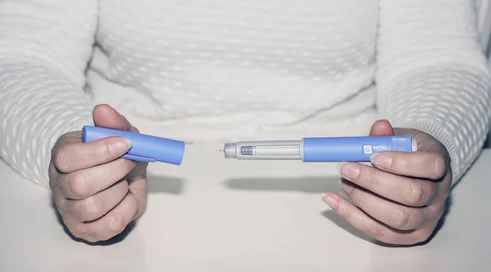
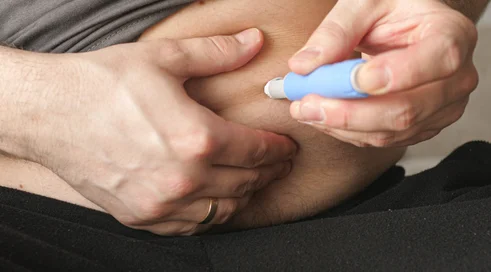
Analyzing my own experience over the past two years, I wanted to provide you with a thorough analysis of the health benefits and potential total economic gains from the wider use of semaglutide, an innovative drug for the treatment of type 2 diabetes and obesity, in the context of the impact on the Polish health care system.
Dr. Marek Derkacz, MBA
Semaglutide - an extremely important new ally in the fight for the health of Poles

Published July 10, 2023 07:03

Fot. arch. red.
My attention - both as a practicing physician, diabetologist and endocrinologist, as well as a specialist in economics and health care - has been drawn for several months to the need to expand the reimbursement indications for semaglutide. Of course, this is all with the most important condition in mind - the health benefits for patients, as well as for the health care system. If someone is still wondering whether it is worth it, to gain conviction and get rid of doubts, just consider the beneficial effect of semaglutide on the overall health of Poles, including the reduction in the incidence of diseases related to obesity and type 2 diabetes. As for the use of the drug, my experience of more than two years with this still all time considered new drug is extremely positive.
Type 2 diabetes and obesity are chronic diseases that often coexist with each other, but also represent a growing health problem worldwide, including Poland, every year due to the increase in the number of cases. The negative consequences of these diseases are well known. Among the most common are: increased risk of cardiovascular disease, including strokes, kidney disease, neuropathy, as well as increased risk of developing certain cancers. All of us, doctors and even more so patients, are aware of the lower quality of life and shortened length of life in people suffering from obesity and type 2 diabetes, all of which translates into significant and ever-increasing costs to the health care system worldwide and to our society as a whole.
In this context, semaglutide (prep. Ozempic - used subcutaneously once a week or orally once a day - Rybelsus), dulaglutide (prep. Trulicity administered subcutaneously every 7 days) and other drugs that are, like the aforementioned GLP-1 analogs, are extremely promising tools in the fight against these serious health problems facing us as a society. The effectiveness of the well-known, somewhat thanks to Elon Musk and online platforms, semaglutide in controlling blood glucose levels and reducing body weight has been confirmed in a number of clinical trials. Besides, to us, practicing physicians, who already have really extensive clinical experience, it is not necessary to explain how much good this drug and others in this group can do for our health. Semaglutide, in addition, is well tolerated by patients and actually has few side effects in relation to the benefits it conveys to patients.
Of course, I subscribe to what in a newly published on the Wyszło na Zdrowie channel in an interview said by Professor Leszek Czupryniak, whom I hold in high esteem and respect, and remember very fondly still, as the first president of the Polish Diabetes Association, who brought so much good to Polish diabetology. Of course, semaglutide is a game changer when it comes to treating type 2 diabetes and obesity, which often coexist. In fact, semaglutide has already made a big difference in the lives of many of us, but I hope that this is just the beginning of the good and will continue to change a lot more for the better in the lives of patients. What's interesting, and what I'd like to share with you, is that its competitor, or rather "brother", since it comes from the same family - dulaglutide (prep. Trulicity) is also getting high marks among doctors and patients.
Natomiast jedna rzecz szczególnie zwraca moją uwagę już od jakiegoś czasu. Otóż pacjenci, którym z jakiegoś powodu – zwykle tym powodem był brak dostępności leku (bo cena obu leków jest zbliżona) – zamieniono stosowany jako pierwszy semaglutyd na dulaglutyd, dość często skarżą się na słabsze działanie tego drugiego leku oraz więcej działań niepożądanych. Co ciekawe, osoby, które nie próbowały nigdy semaglutydu w terapii, a leczenie zaczynały od stosowania Trulicity, bardzo sobie ten lek chwalą i w mojej opinii osiągają wyniki, które śmiało można uznać za bardziej niż zadowalające. Nie będę kontynuował dyskusji, aby nie posądzono mnie o stronniczość, albowiem osoby leczące się u mnie wiedzą, że na drzwiach gabinetu, w którym przyjmuję, znajduje się kartka z informacją, że przedstawicieli firm farmaceutycznych przyjmuję jedynie w charakterze pacjentów. I tak rzeczywiście jest. Minusem tego jest fakt, że nie miałem okazji poruszyć tego zagadnienia w rozmowach z producentami obu leków. Jestem natomiast bardzo ciekawy, czy profesor Leszek Czupryniak ma podobne obserwacje?
It's worth reading

#WyszłoNaZdrowie
But back to our protagonist, semaglutide, which, through its action on glycemic control, weight reduction and increased tissue sensitivity to insulin, has great potential to effectively counter many chronic diseases that are unfortunately very common in our population. These diseases include not only, as we have mentioned touching on the subject many times: diabetes and obesity, but also heart disease, kidney disease, neuropathy and even some cancers.
Wydaje się, że już możemy powiedzieć głośno i wyraźnie, że skuteczna kontrola cukrzycy i otyłości za pomocą semaglutydu może przyczynić się i – jak widzimy dosłownie kiedy patrzymy na naszych pacjentów – przyczynia się do redukcji tych stanów chorobowych, przekładając się na ogólną poprawę zdrowia osób, które lek stosują Aby zadziałać na wyobraźnię czytelników Medexpressu, możemy śmiało porównać semaglutyd do strażaka gaszącego płomienie obejmujące nasz dom (nasze ciało). Złowrogie płomienie to oczywiście cukrzyca i otyłość, które zagrażają zdrowiu i życiu Polaków. Strażak – semaglutyd – przybywa, aby ugasić te płomienie, pomagając przy tym w kontrolowaniu stężenia glukozy we krwi oraz redukowaniu masy ciała, przynosząc pacjentom ulgę i nadzieję, że w końcu nastanie normalność. Równocześnie, poprzez kontrolę tych „płomieni”, semaglutyd pomaga w zapobieganiu powstaniu innych „pożarów”, czyli powiązanych stanów chorobowych, które są następstwem cukrzycy typu 2 i otyłości lub z nimi współistnieją.
However, for the "firefighter" to work effectively, it must be available to those who need it! And it is not only diabetics who need it, but also obese people, for whom earlier use of the drug can protect them from developing type 2 diabetes and its complications. Following this line of reasoning, the expansion of reimbursement indications for semaglutide, which has already taken place in many countries, seems logical and should happen without undue delay.
Currently, access to this drug is, as we know, limited by various barriers, not only reimbursement, but due to its quality. The drug is so good that there is not enough of it for those who need it, because demand has long since begun to exceed supply. The reimbursement criterion is, unfortunately, an effective brake on a certain group of patients. Many in need, because obese people who could benefit from it, do not have access to it because it has not yet received registration in our country, while in other countries obese people without diabetes have the same or similar right to the drug as patients with type 2 diabetes.
Besides, as we know from the media, doctors very often, when issuing prescriptions, exercise their right to treat patients already at the stage when obesity creeps into their lives. That is, when prescribing a drug, they do so in what is known as off-label therapy from the drug's product characteristics. Adequate early implementation of semaglutide not only very significantly reduces the risk of developing type 2 diabetes, but also very positively improves patients' quality of life.
During my postgraduate studies in public health administration in Poland, I was taught that, in many cases, the expansion of reimbursement indications for certain drugs is not just an economic issue, but first and foremost a matter of public health and concern for its welfare. Making sure that we are a healthy and informed society. You don't have to be an eminent health economist to see that by reducing the incidence of chronic diseases, which are often linked to type 2 diabetes and obesity, it is possible not only to reduce the burden that these diseases generate for the health care system, but also to improve the overall health of Poles.
I realize that drug reimbursement decisions are always difficult, primarily due to limited resources. However, in the case of semaglutide and other drugs in this group, the health and economic benefits seem to significantly outweigh the costs. Like a well-equipped firefighter ready to fight the flames, semaglutide has the potential to fight diabetes and obesity, bringing relief to patients and contributing to the overall health of Poles.
It is critical to understand that an investment in drugs such as semaglutide is not just an economic investment, but first and foremost an investment in the nation's health, and it is much more than that. Influencing the reduction of chronic diseases, which place a significant burden on the health care system, can bring benefits not only on an individual scale, but also on a broader scale. So investing in broader reimbursement for great medicines and prevention programs are strategic steps that will bring huge health benefits to all of us and result in significant economic savings in the future. We can afford it. Especially since taking care of our health through education, prevention and timely treatment is still possible and, above all, profitable for all of us!