In an interview with "Rzeczpospolita", the Minister of Health, Adam Niedzielski, said that "pharmacists are not authorized to issue prescriptions for vaccinations and we want to change it as soon as possible, but for this we need a statutory change. We want to look at it and discuss it together with the Health Committee, and propose an amendment that would give such possibilities."
Walenty Zajdel
Too late again

Published Jan. 3, 2023 09:53
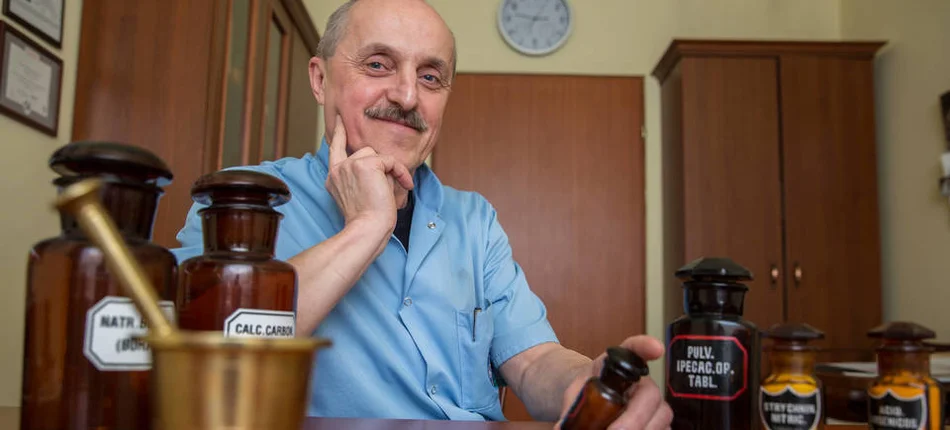
On January 2, 2023, in an interview with RMF FM, Waldemar Kraska, Deputy Minister of Health, said that "at the next session of the Sejm, an amendment to the Reimbursement Act will be proposed so that the pharmacist can also issue a prescription for vaccination and immediately administer the vaccination."
This is a mockery of common sense as the flu vaccination policy should come into effect no later than September 1, 2022. Saying in the middle of flu season that "we want to look into it" and "an amendment to the bill will be tabled" is scandalous. Giving pharmacists the power to prescribe flu vaccines will not bring any added value, because obtaining a prescription is not a problem - just call the doctor and ask for a prescription as part of teleconsultation.
It is worth recalling that from January 12, 2022, pharmacies could apply to participate in the National Influenza Vaccination Program (NPS). Joining the NPS only in mid-January did not make much sense. The results confirmed it. Only about 8,500 vaccinations were performed in pharmacies, which was only 2 per mille of all flu vaccinations in Poland. Considering the above, the president of the Polish Pharmaceutical Council should tell the Minister of Health: as in the previous flu season, it's too late again!
Withdrawing free vaccinations for everyone was a big mistake. The Minister of Health did not heed the experts' appeal to introduce a common e-referral system and to use the communication tool of the Government Security Center alert, encouraging citizens to get flu vaccinations.
Only increasing awareness will lead to an increase in vaccination coverage. Therefore, it is necessary to carry out a professional nationwide educational and promotional campaign similar to the one that was conducted in Great Britain by the National Health Service and brought tangible results. Currently, flu vaccination coverage in the UK is around 70 per cent.
People have different attitudes about vaccinations. Attitude is a complex issue and consists of three components: knowledge, emotions and behavior. Attitudes towards vaccinations are related both to the knowledge about them, the emotions they evoke, as well as the activities that a person undertakes in connection with them. Campaigns encouraging health-promoting behaviors and the need for vaccinations should target these three components.
In persuading people to vaccinate, it is very important to appeal to specific values. In communication to unvaccinated people, two variants of the message work well - based on the values of caring for another human being and on social norms. In the first case, it is about making the recipient aware that by not vaccinating, he harms others, not only himself. In turn, the reference to social norms is related to the presentation of the applicable norm, which is taking care of another human being and getting vaccinated.
The flu shot should be free on the same terms as the COVID-19 shot. The purchase and administration of 3 million doses of influenza vaccines will cost about PLN 200 million. Such an expense is possible since the expenditure on COVID-19 vaccines is PLN 10 billion.
M.Sc. farm. Walenty Zajdel