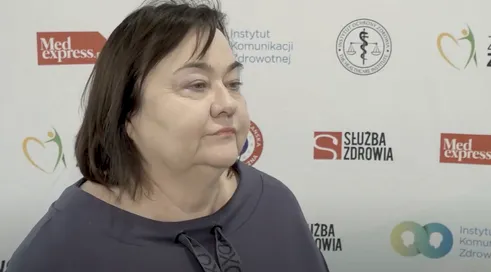
The co-author of the report "Report B.44. Treatment of Patients with Severe Asthma," Dr. n. econ. speaks about the cost of treating severe asthma. Michal Seweryn.
Severe asthma: How to reduce costs for the patient and the system

Published Dec. 20, 2023 08:00
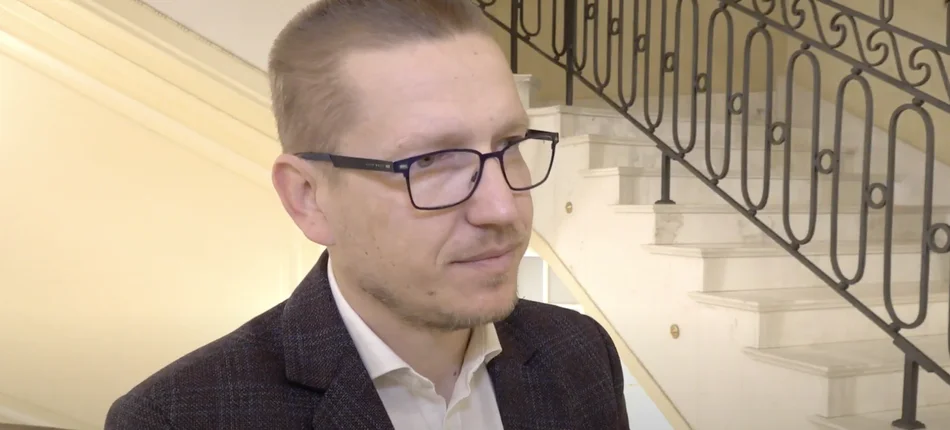
You are one of the co-authors of "Report B44 - treatment of patients with severe asthma." What aspects of the drug program does this report address? What are the main conclusions that come out of it?
The report is mainly concerned with how the program operates and how it is funded. It's not about the profitability of the program, since hospitals generally don't operate for profit, but whether facilities are adding to the program.
Unfortunately, like all drug programs, it suffers from a number of organizational and bureaucratic barriers. Implementers of this program complain that the number of tasks, including those around the program, is very large. The program's eligibility criteria are also cited by clinical experts as insufficient, meaning that not all patients who need it can be included. Geographic dispersion indicates that some patients may have difficulty accessing the centers, as they are concentrated in large cities. Finally, cost-effectiveness, which we have studied in several variants. Unfortunately, both the cost of diagnosis for the drug program and the implementation of the program, whether inpatient or dispensing the drug to the patient at home, indicate that hospitals are facing a deficit (i.e., the costs they incur are far greater than the tariff that the National Health Service pays).
What are the direct and indirect costs of treating severe asthma in Poland? Where should funding be increased to improve the implementation of this program?
The streamlining is to increase the program's financial outlay by revaluing currently existing program procedures or introducing new ones. Evidently, the analysis shows that in the situation of dispensing drugs to the patient at home is the most economically advantageous and, as clinical experts emphasize, the best from the patient's point of view. Of course, there will always be a portion of patients who will not qualify for this, but most of them can be implemented in this way. Meanwhile, in Poland, the majority of patients on drug programs are hospitalized, which is not a good situation, nor is it necessary, and is due to certain pathologies in the financing system. As for indirect costs, this was not the purpose of the report. Undoubtedly, it is worth investing in these patients, because the pharmacotherapy that is part of the B.44 drug program allows people to live normally. When patients don't qualify for the program, don't have a chance to get into it at all, they just generate indirect costs from the system's point of view. These are costs related to sick leave, or so-called absenteeism, but also to presenteeism, which is when a sick employee is less effective at work. And all this is measurable and translates into concrete GDP losses.
So what needs to be done to improve patient access to this program?
It would be worthwhile for the NHF to learn lessons and make the program more flexible, in order to make it more effective for providers. Doctors implementing the program said: today, doing the program is a bit of a passionate task, because there are a lot of tasks that are not priced at all, and it requires a really strong desire to help patients rather than, for example, translating one's commitment into an outpatient clinic or hospital department. So definitely the NHF, if it maintains bureaucratic requirements, should price this work. And the second aspect to consider (something that has already come up in the public debate), that is, the discussion that some of the drug programs in situations where the patient can be given the drug at home should also be implemented in outpatient centers, outside of hospitals. Increase accessibility for patients with this, so that the geographic problem of accessibility is less (we know that a patient who has to travel 200 kilometers to a hospital to get a drug does not have an easy journey). So this is a path worth considering.
How does Poland compare with other European countries in both the diagnosis and treatment of severe asthma? What should be done in terms of valuation of services in access to biological therapy?
I can tell you, because we have studied the issue of accessibility to treatment in severe asthma, that in Poland about 7 percent of patients get such treatment. Meanwhile, in countries such as the UK and Italy, almost 70 percent! So this shows how much potential we have unrealized. We should be thinking about how to make it easier for patients to access treatment and about financial issues. We proposed concrete solutions, like introducing a new benefit related to home administration. This would make the program more attractive. But also education, because we can't forget about it. For specialists, asthma treatment is not a secret, but the idea is that patients from PCPs in smaller centers, could learn that there is availability of biological treatment and be referred to such centers. The closer such centers are, the better. Then there is a greater chance that such a patient will decide to seek this type of help for severe asthma.