Amgen's CEO in Poland Krisztián Szabolcs Toka on improving access to innovation

Published May 17, 2024 07:10
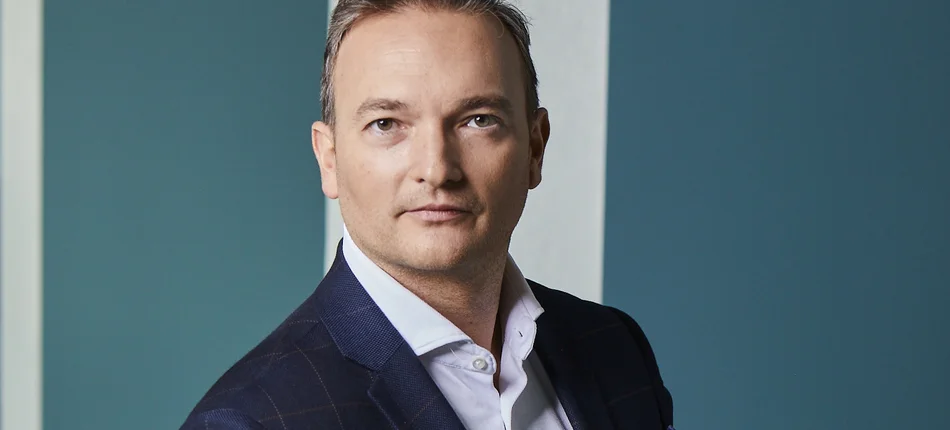
The Association of Employers of Innovative Pharmaceutical Companies INFARMA has just published its annual "Access Gap" report, summarizing Polish patients' access to innovative therapies. How would you comment on the latest results?
According to data published by INFARMA in its third Access GAP report, access to modern therapies and diagnostic solutions is increasing in all Visegrad countries. Poland is also seeing a significant improvement, up 16 points from 2022. This is good news for Polish patients. Progress is seen mainly in two areas: oncology and rare diseases. In chronic diseases, on the other hand, we have only a slight improvement, so there is still more to work on. The most pressing challenge remains the prolonged time between registration and reimbursement of drugs, which has increased from 940 to 1,029 days, proving the need for further concerted efforts in this area.
Staying on the topic of innovative therapies, what are Amgen's priorities today in Poland?
Currently, our portfolio is based on four main pillars: general medicine, oncology, inflammatory diseases and a new area for us - rare diseases. In each of these, we make a wide range of innovative therapies available to patients. Some of them are already available on the market, others are in development. At the same time, we are working intensively on further innovations. In parallel, we also make biosimilar drugs available, which bring savings to the health care system. Our success is not based on one particular product or therapeutic area, just as our global presence, in some 100 countries, is sustainable.
This year Amgen is celebrating 20 years of presence in Poland. What is your local development plan?
Speaking of growth plans, specifically in Poland, we are currently focused on providing therapeutic solutions in cardiovascular disease, osteoporosis, oncology and hematology. And knowing the significant impact of rare diseases on the lives of nearly 3 million Poles, Amgen is also entering this area to address unmet medical needs and provide therapies to patients who are deprived of effective treatment options. Therefore, with the acquisition of Horizon Therapeutics, Amgen has expanded its portfolio in the areas of neuritis and myelitis spectrum disorders (NMOSD), or thyroid orbitopathy (TED), among others. It's also worth mentioning that thanks to Amgen's strategy based on delivering innovative therapies and continuous investment in R&D activities, to which we have allocated $4.8 billion in 2023 alone, we have developed numerous highly promising novel molecules, strengthening the position of our company, which now boasts the broadest pipeline in its history.
Access to innovative therapies is important. And what do you think of the diagnostics situation?
Despite advances in access to therapies, as shown in the aforementioned Access GAP report, it remains a challenge to ensure equal and rapid access to diagnostics. That's why Amgen advocates taking preventive measures, such as screening programs that help detect diseases in their early stages. This provides the opportunity for more effective treatment and prevention of severe complications. Untreated genetic diseases, such as, for example, familial hypercholesterolemia (FH), carry enormous risks. In the case of FH, these can include cardiovascular incidents; heart attacks, strokes. This is a strong argument for taking preventive measures to identify those at risk and intervene at an early stage of the disease. By supporting the introduction of screening programs, such as population-based LDL cholesterol testing in children, we are actively involved in identifying and treating familial hypercholesterolemia, which contributes to reducing the risk of cardiovascular disease. Another example is the diagnosis of lung cancer, which today takes an average of 4.5 months. This is a very long time. So there is a very urgent need to streamline this process and ensure that patients have access to optimal therapy as soon as possible.
So what is the key to creating effective solutions for patients in the healthcare system?
Balanced spending is key to allocating resources efficiently, meeting growing health needs and optimizing diagnostic and therapeutic processes at different levels of reference centers. It is also important to shape health care policy at the national and local levels so that patients, regardless of where they live, have equal access to services. Shaping health policy can certainly be helped by constructive dialogue between the pharmaceutical industry and policymakers, for example through industry organizations such as INFARMA. Through cooperation and knowledge sharing, we can create the best possible solutions in the health care system to improve the quality of life of Polish patients and provide them with equal access to innovative therapies.