On September 9, 2022, during the international conference of the European Society of Medical Oncology (ESMO), updates of two phase III clinical trials (PAOLA and SOLO-1) of olaparib conducted in patients with advanced ovarian cancer (FIGO III + FIGO IV) in first-line maintenance treatment were presented.
ESMO 2022: Ovarian cancer

Published Sept. 10, 2022 07:31
Fot. MedExpress TV
- For the first time, an increase in overall survival was shown for patients using olaparib after first-line chemotherapy, olaparib for patients with BRCA1/2 mutation and olaparib with bevacizumab for patients with BRCA1/2 and HRD mutations - says Dr. n. med. Anita Chudecka-Głaz, prof. PUM, head of the Department of Surgical Gynecology and Gynecological Oncology of Adults and Girls, SPSK 2 in Szczecin, provincial consultant in the field of oncological gynecology.
- The Proffered Paper session on the first day of ESMO 2022 presented the results of two important studies on ovarian cancer, which are important for the treatment of this cancer - also in Poland. We have seen the impact of using olaparib as first-line maintenance therapy after obtaining a response to treatment alone (SOLO1) and with bevacizumab (PAOLA1). In SOLO1, the assessment of the effect on overall survival showed a clinically significant increase in the olaparib treated group. Two-year olaparib therapy 7 years after the start of this treatment allows 67% of patients to stay alive, compared to 46.5% in the placebo group. In the POALA1 study, the use of olaparib with bevacizumab reduced the risk of death in the group with damage to the homologous recombination system by 38%. The percentage difference in people living 5 years from the start of the study was 65.5% in the olaparib group compared to 48.4% in the placebo group. As in previous publications, no benefits were found in the group of patients with a functioning homologous recombination system (HRP) - commented Dr. n.med. Radosław Mądry, head of the Oncological Gynecology Clinic of the Oncology Institute of the Medical University in Poznań, the head of the Gynecological Oncology Department of the H. Święcicki Clinical Hospital in Poznań.
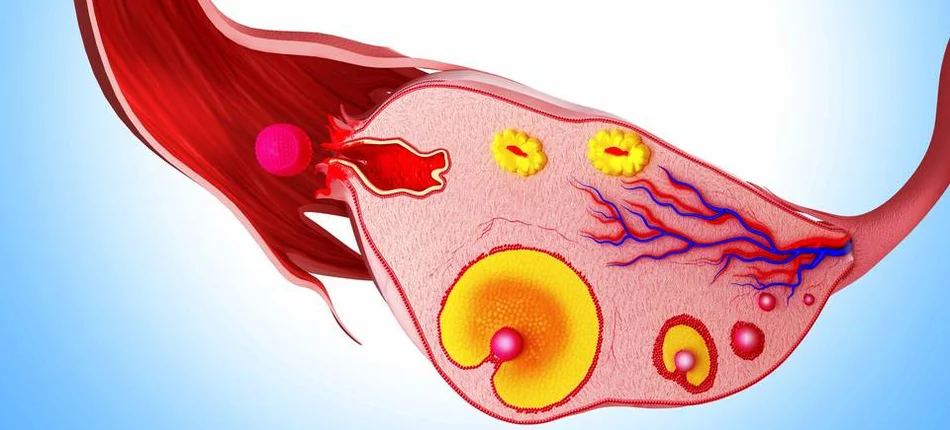
Ovarian paradise is one of the most common gynecological malignancies and most patients (~ 70%) are diagnosed at a late (= advanced) stage of the disease. The 5-year survival rate from the diagnosis of advanced disease is only about 30%. About 20% of patients with ovarian cancer have a mutation in the BRCA1/2 genes, while about 50% of patients have so-called Homologous Recombination Deficient HRD deficit, which is the result of either mutations in BRCA1/2 genes or other genomic disorders. Patients with these molecular characteristics generally have a better response to treatment with PARP inhibitors, including olaparib.
During ESMO, further updates of the previously published results of PAOLA and SOLO-1 studies with a very long follow-up period (5 and 7 years) were presented, and once again prove the very significant effectiveness of olaparib treatment in patients with advanced ovarian cancer.
Source: Mat. press releases