April 23 is Laryngectomy Day - a celebration of people who have had to undergo surgery to completely remove their larynx. This is a life-saving procedure, performed in advanced stages of cancer when other treatments have failed. After a laryngectomy, patients breathe through an opening in the neck instead of through the nose and mouth. Patients recover, but have to learn anew how to function in their families and society.
Recover voice after laryngectomy

Published April 23, 2024 14:07

fot. iStock
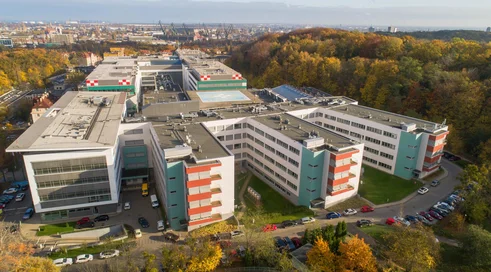
About 130,000 new cases of laryngeal cancer are reported worldwide each year. Poland is among the highest risk countries for this type of cancer in Europe. The most common cause of cancers of the head and neck, including the larynx, invariably remains cigarette smoking, alcohol abuse and HPV infections (types 16 and 18). Laryngeal cancer is one of the most common cancers (after lung cancer) of the respiratory tract, which can affect both men and women. Different methods are used to treat this disease, depending on the stage and location. One of them is laryngectomy, a surgical procedure that involves the complete removal of the larynx. Despite its complexity and the consequences associated with its performance, total laryngectomy can be a lifesaver for patients suffering from advanced cancer of the larynx. The larynx plays an important role in the process of speaking and breathing, as well as eating. Removal of this organ is a radical step, but often unavoidable when the disease is at an advanced stage. The laryngectomy procedure at the University Clinical Center is performed at the Department of Otolaryngology, headed by Boguslaw Mikaszewski, MD.
Life-changing surgery
Total laryngectomy is an operation performed in advanced stages of cancer. Without it, the cancer can spread to other parts of the body, and the patient may lose the ability to eat, speak and even breathe.
- Laryngectomy is not just a surgical procedure, it is a key step in the lives of patients aiming to fight advanced laryngeal and lower throat cancers. It is a mutilating but necessary operation, involving the removal of part or all of the larynx, thus becoming one of the main tools in the fight against laryngeal cancer," notes Boguslaw Mikaszewski, MD. - It is worth noting that the larynx contains the vocal folds, thanks to which we create a sonorous voice, we speak. The larynx also helps us breathe and swallow. Therefore, removal of the larynx leads not only to changes in the voice, but also changes the breathing track, impairs the sense of smell and taste, and irreversibly separates the respiratory and digestive tracts, he adds.
Laryngectomy is not only a step in cancer treatment, it is also a road to recovery. Despite the difficulties and changes in functioning, it gives patients hope to move on with their lives.
Speaking after laryngectomy - my new voice
Voice is an extremely important tool in everyday social and cultural life. With it, we can communicate with each other, exchange opinions, share experiences. It is only when it begins to fail or when it is missing that we notice how important it is.
- The voice its pitch, intensity, timbre are a characteristic feature of each of us. The voice is as unique as fingerprints. Voices can be very similar, but no two are the same," explains speech therapist Malgorzata Zielinska, MA. - The voice in society is not just a tool for communication, but also an expression of identity and individuality, and losing it is an incredibly difficult experience.
- Losing one's natural voice is losing a part of oneself and can affect self-esteem+," explains Andrzej Drewniak, president of the Pomeranian Association of Head and Neck Tumor Patients, who is also after laryngectomy. - A lot of people face depression or self-exclusion from social life after such surgery. This is understandable, as they experience changes in the way they communicate, breathe, eat and their overall quality of life, he adds.
After laryngectomy, patients lose the ability to generate sounds, as the vocal cords are removed along with the larynx. However, with speech therapy rehabilitation, there is a chance to "regain the voice" and return to active participation in social life.
- Voice rehabilitation after laryngectomy is a process aimed at restoring the ability to produce voice audibly. Depending on the surgical technique used, the capabilities of the center performing the surgery, three speaking techniques are available. They are selected individually according to the patient's capabilities and needs," says Małgorzata Zielińska, M.D., M.Sc. - The return of the ability to communicate verbally can sometimes be a very touching, emotionally and socially relieving moment for the patient. It can help build self-confidence and a sense of normalcy, which is important for social reintegration after surgery. Support from specialists: speech therapists, physiotherapists, psychologists plays a key role.
Support for people after laryngectomy
In addition to treatment, patients need an exchange of information about their disease. Such assistance is offered by patient organizations, including the Pomeranian Association of Head and Neck Tumor Patients, operating since 2023 at the Department of Otolaryngology of the University Clinical Center. It is an organization established to provide all kinds of assistance to people after laryngectomy. Acting in a community of patients emboldens, opens and supports. The association brings together people after laryngectomy, their families and representatives of various specialties involved in treatment and rehabilitation. The association cooperates with all those who want to participate in the program to help patients with head and neck cancer.
- An important element in the rehabilitation process is the support of loved ones. One of the goals of the Association, which is an initiative of patients who have undergone laryngectomy, is to build a knowledge base for post-laryngectomy patients and their caregivers. We want to create a place where one can find necessary information, written in a simple and accessible way. There is a Pomeranian Association of Head and Neck Tumor Patients in Gdansk, whose meetings are periodically attended by laryngectomized people with family members, says Andrzej Drewniak.
- Patient voice, literally and in broad paraphrase, is one of the main elements of the Global Patient Safety Action Plan developed by WHO. It says that we should invite patients to co-create hospitals, both in terms of decision-making and in co-creating patient communities. Thanks to the Association's activism, we know that there are many issues related to laryngectomized patients that we should look into, and that can be crucial to the quality of life of our patients," says Dr. Tomasz Stefaniak, director of treatment at UCK.