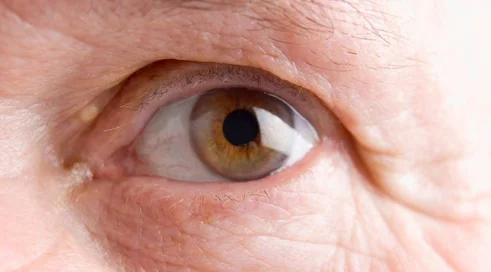
The drug program in operation in Poland for patients with retinal diseases (B.70) is world-class, experts agree. Since January, it has been reimbursing pharizymab, a bispecific antibody with high efficacy, administered by injections into the eye up to once every four months. Ophthalmologists acknowledge that this is a revolution, but also a point to consider what else to improve in the system for treating patients with eye diseases. After all, in the coming decades we will meet the challenge of demographics.
Treatment of retinal diseases: it's good, but could be even better

Published March 27, 2024 13:31
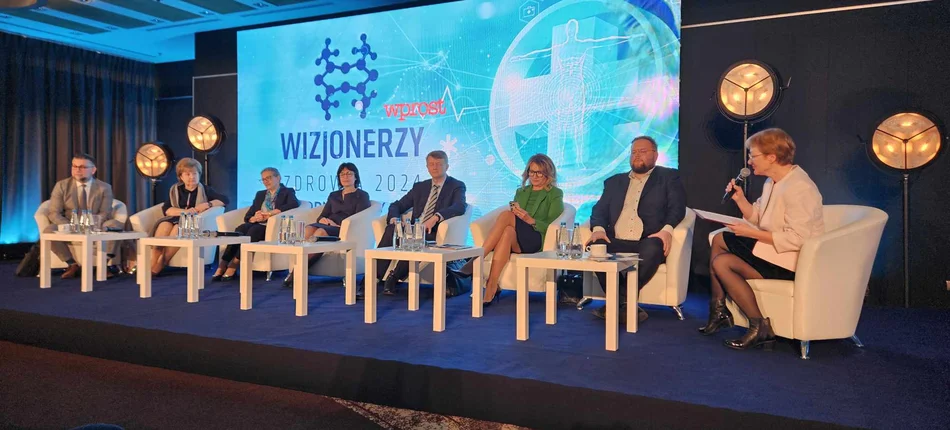
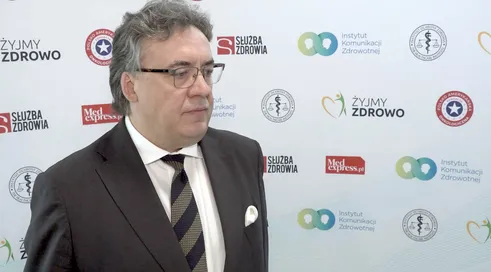
- If there is a will, there is someone to talk to, and the right group of experts comes together to do it, then such changes succeed. Then it is money best spent. It's always going to be a bottomless bag, but if the outlays are directed in the right way and the final savings can be made, it's something we should strive for. The changes that have taken place in ophthalmology have represented something of a revolution. The NHF spends 450 million zlotys a year on the B.70 drug program. The problems we face today are very similar to those in Western Europe," said Prof. Slawomir Teper during a panel on social diseases and illnesses of the "silver" generation at the Wprost Health Visionaries congress. Reformers 2024.
While until recently the main concern was to improve the drug program and include funding for the latest and most effective therapies in age-related macular degeneration and diabetic macular edema, the challenge now is to include therapies in patients diagnosed at the earliest possible stage.
- We're fighting for the best possible quality of life. For many patients, the fact that they get to an ophthalmologist early enough is crucial to remaining at a decent level of visual acuity for the rest of their lives. This is especially true for patients with DME. We know they are out there somewhere, we just need to find them. Education plays a huge role in this. They need to get to a doctor early enough. For me, any patient who comes in because they need to be operated on is always a failure. There is a very high risk that despite a perfectly performed procedure, the finale for this patient will be blindness, very often total blindness," stressed Prof. Slawomir Teper.
The solution should be screening, especially in people with diabetes. This one, despite recommendations and recommendations, is not working. Meanwhile, the health care system has tools that could greatly simplify it and even automate it.
- There are many options, and you don't even have to add money. Why can't a patient who has a diagnosis of diabetes be treated in such a way that he or she will receive a referral to an ophthalmologist right away on the phone? - Prof. Teper asked.
There are also high hopes for new medical professions, such as optometrists. Moving away from the model in which an ophthalmologist writes a prescription for eyeglasses and ceding that very duty to optometrists could be a way to free up a large pool of medical staff. This does not mean, however, that there will be no work for them. There will be more and more, and demographics are behind it. According to the Central Statistical Office, the percentage of senior citizens in Poland will rise from 27.8 percent in 2020 to 42.4 percent in 2050.