The year 2023 is the first year when we boldly we talk about personalization of treatment. SM-fight for yourself has for years prioritized an individualized approach to the patient, paying attention not only to the current clinical condition, but the projection of the development of the disease, family history, life plans, but also the safety and convenience of the therapy.
What type of MS do you have? - The autumn-winter installment of the campaign I'm with MS, Foundation SM-WALK FOR SIEBIE

Published Dec. 4, 2023 13:52
There are many therapies on the map of current available treatment options in MS. They differ in their mechanism of action, and thus in their effect on our immune system. We can expect a different response from short-acting drugs, and another from drugs whose mechanism of action is not rapidly reversible.
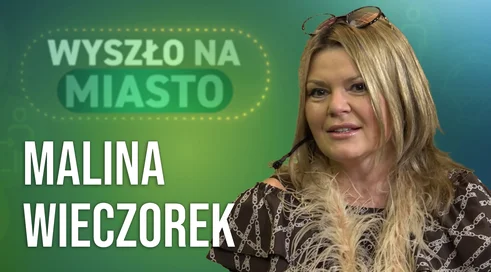
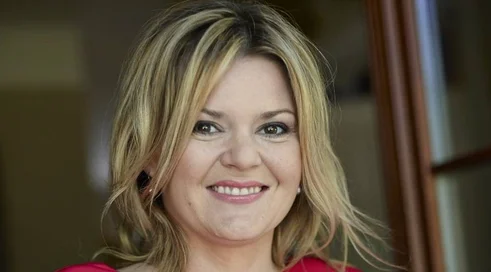
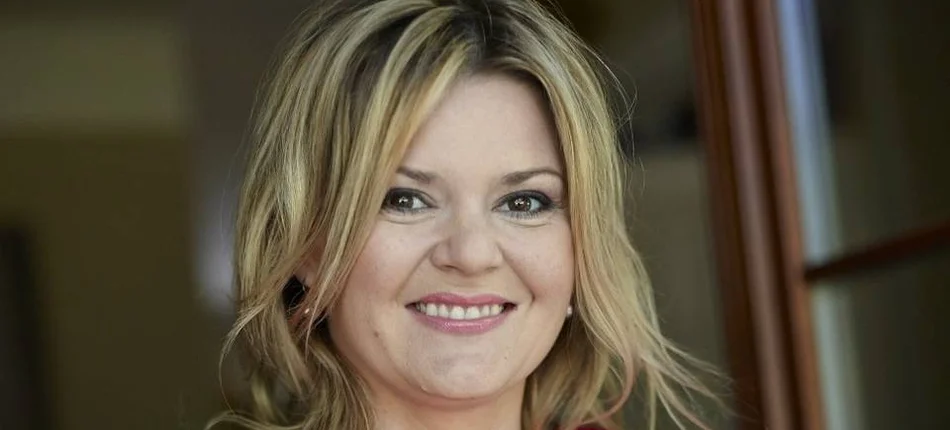
"Most new and expected therapies have been introduced into the drug program. Treatment eligibility criteria for highly active therapies have been relaxed, and botulinum toxin for the treatment of spasticity has been added to the fall list. This is a huge range of therapeutic possibilities, which requires knowledge of how to design treatment in the context of the patient's entire life. Wanting to be co-responsible for the choice of therapy, and thus participating in decisions about our own health, let's not be afraid and ask questions!"- says Malina Wieczorek, president of the MS-walcz o siebie Foundation.
Already during a recent social survey conducted by the Maison&Partners Research House for the MS-Fight for Yourself Foundation, on a group of 942 people with MS, respondents indicated the key role of doctors in expanding their knowledge of the disease. The majority of respondents rate their knowledge of MS as average, while trying to seek information about the disease and its treatment, most often from doctors, other patients and on the Internet. Those who are "newly" diagnosed and are trying to find their way in a new situation seem to be particularly interested in expanding their knowledge. For almost 3⁄4 of those surveyed, the key criterion for choosing a drug is its effectiveness, as well as few side effects and safety of use. As the results show, MS patients are able to accept some side effects of medications if the treatment has the desired effect. Most are also open to novelty, albeit with a sense of safe use.
So how do you responsibly choose treatment?
As we know from the latest Recommendations of the Multiple Sclerosis Section for the treatment of MS, there are currently no biomarkers available in clinical practice to fully personalize therapy, i.e. to select the optimal drug for a particular patient in terms of efficacy and safety. When starting therapy for RRMS, DMTs are chosen, guided primarily by the degree of disease activity and the prognostic profile of the disease's subsequent course.
Interestingly, "We now know a lot more about the phenotype and pathophysiology of multiple sclerosis. We are beginning to talk about a new concept of seeing MS as a certain continuum of processes, as a disease that has a face in the form of the occurrence of flares, or the constant appearance of symptoms. I think that in a certain period of time we will move away from the typical division into different types of MS, and we will see it as a disease with different faces."- Prof. Monika Adamczyk-Sowa, M.D., chairman of the MS and Neuroimmunology Section of the PTN, from the Department of Neurology at Zabrze Medical University in Katowice, tells the Motivation School portal - "Inherently connected with the pathophysiology of multiple sclerosis is the knowledge of causative factors. Until recently, we thought that lymphocytes were the main culprits of the disease, but research in recent years has shown that microglia are also a factor."
What is the role of the patient? You have MS - ask, you have the right to know!
"Do you know your profile? If not, ask questions. Remember that there is no one therapy that is good for all patients. Everyone's disease is different, we have different prognostic factors." - Adds Malina Wieczorek-"Be aware, be responsible, be co-decision makers!" - she appeals to patients.
The patient's proactive approach is supported by Prof. Alina Kulakowska, MD, president of Elekt PTN, from the Medical University of Bialystok - "As of today, we cannot do a study that would give us a clear answer as to which drug will be best for a given patient, that is, will be both effective and safe. When choosing a drug, we are primarily guided by the activity of the disease, whether the patient has frequent flares, whether the symptoms of the flares withdraw completely or whether there are residuals, where the foci of damage are located. We take into account all the prognostic factors of how the disease may progress."
Another important prerequisite for the choice of treatment is reproductive age, whether the woman intends to have a child and when she plans to do so, comorbidities, family history. It is useful to know how the proposed therapy affects your immune system. What are side effects and what are treatment effects. What are the effects of different therapies on vaccinations? How quickly does the elimination of particular drugs from the body occur, and are there ways to speed up the process if necessary. What if a particular treatment is not effective?
These topics and many others are brought closer by the autumn-winter installment of the MS-fight for yourself campaign, with a new series of expert recordings dedicated to patients, entitled: "I am with MS - What type of MS do you have?" - targeted for broadcast on the Internet, social media and the School of Motivation portal ( www.szkola-motywacji.pl ). The recordings support PR activities and posts encouraging a holistic approach to health.
The activities were under the Honorary Patronage of: Polish Neurological Society, MS and Neuroimmunology Section of PTN, National Consultant in Neurology, Department of Psychology at Warsaw University, Institute of Healthcare Management at Lazarski University.
The annual campaign was developed in partnership with Biogen, Bayer, Merck, Roche, Sanofi, Bristol Myers Squibb, Novartis, Janssen-Polska and IPSEN. Partner organizations are PTSR, the Multiple Sclerosis.info Foundation and the Urszula Jaworska Foundation.
Read more at:
Source: press mat.