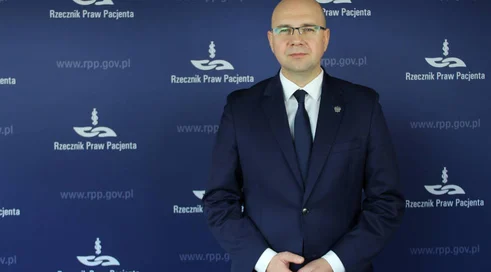
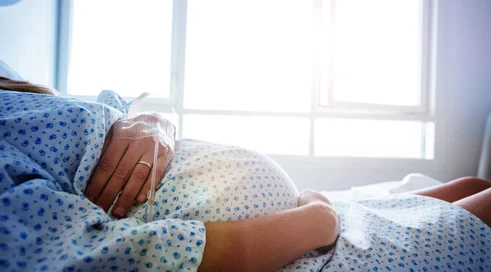
Pregnancy, childbirth and then postpartum is a unique stage in every woman's life. For the sake of women's well-being, as well as that of their children, it is important to provide adequate support to the patient, both physically and mentally. Patient Ombudsman Bartlomiej Chmielowiec encourages you to fill out a questionnaire about your experience of pregnancy, childbirth and postpartum. It will provide information to improve the quality of perinatal care in Poland.
Does childbirth have to hurt?

Published Jan. 11, 2024 11:15
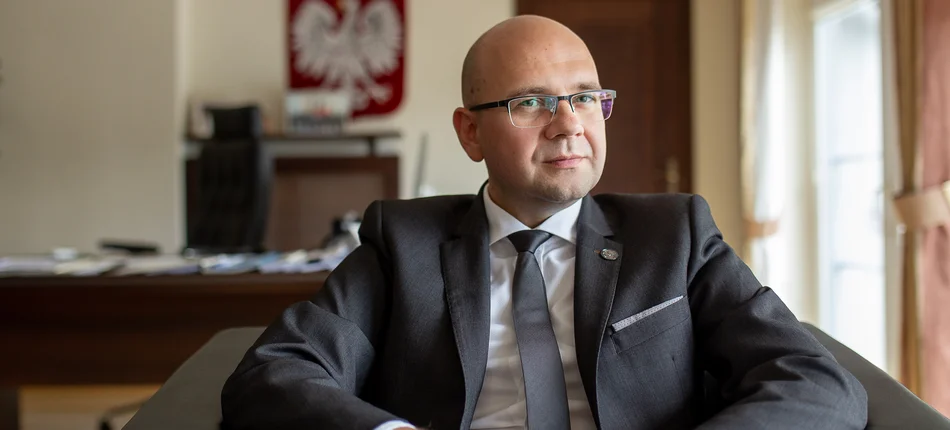
fot. Biuro Rzecznika Praw Pacjenta | Rafał Siderski
Providing adequate conditions for women during this period in terms of labor pain relief is one of the priorities of the Patient Ombudsman. According to current legislation, since July 2015, every patient is entitled to an epidural during childbirth free of charge. However, data provided by the National Health Fund shows that epidural anesthesia in natural childbirth is used sporadically.
- In August 2023, we applied to 245 medical entities across the country to determine what the reasons are for not using epidurals and what forms of anesthesia during natural childbirth may be available to patients. The hospitals provided information, which we are currently analyzing," says Patient Ombudsman Bartlomiej Chmielowiec.
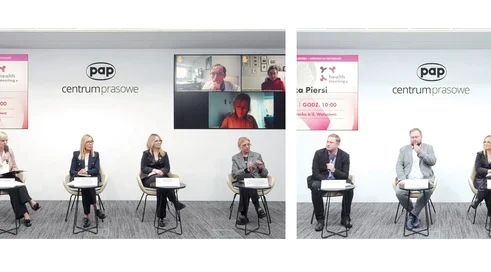
The MPC Office also discussed maternity care and the problems faced by pregnant and postpartum women with patient organizations, including the Coalition for the Premature Child, Maternal Love, Birth By Humanity and Motherhood.
- However, when analyzing the state of perinatal care in Poland, we must not forget the voice of the patients themselves. It is their experiences and stories related to childbirth and pain relief that are the most important source of information for the Patient Ombudsman. Perinatal care should be tailored first and foremost to their needs. We hope that the voice of patients will help identify areas in perinatal care that need improvement," adds Bartlomiej Chmielowiec.
In an effort to learn more about women's experiences during childbirth, the MPC Office has prepared a survey aimed at women . Its purpose is to find out how the use of anesthesia during natural childbirth looks like from their perspective, what patients' attitudes are toward anesthesia during childbirth, and what the experience of childbirth itself was like for them. The data obtained will allow better targeting of efforts to improve the quality of perinatal care.
The survey is available HERE
compiled based on press release
Topics
Bartłomiej Chmielowiec / ciąża / RPP / znieczulenie do porodu / poród / Rzecznik Praw Pacjenta