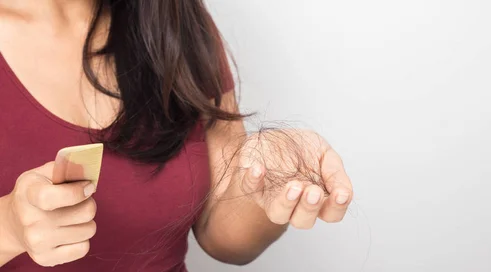
Dandruff is a common scalp condition, and a troublesome aesthetic problem that affects up to one in two people. Due to the recurring nature of this condition, short-term treatments with specialized anti-dandruff products are worth supporting with a few skin care habits that will help maintain optimal scalp health on a daily basis. Where does dandruff come from and how to effectively counteract it?
5 tips on how to get rid of dandruff

Published Aug. 23, 2023 12:03
Fot. iStock/Getty Images
Every inch of the scalp is inhabited by hundreds of thousands of yeasts and bacteria, the balance of which is crucial to maintaining health. However, it is estimated that at least 50 percent of the population has struggled with dandruff at least once in their lives. It is the most common scalp disease with a tendency to recur. Although it is used to talk about its chronic nature it can also be a temporary issue, for example during puberty or pregnancy. Interestingly, due to the higher production of sebum conditioned by increased hormonal activity, men are more likely to suffer from dandruff.
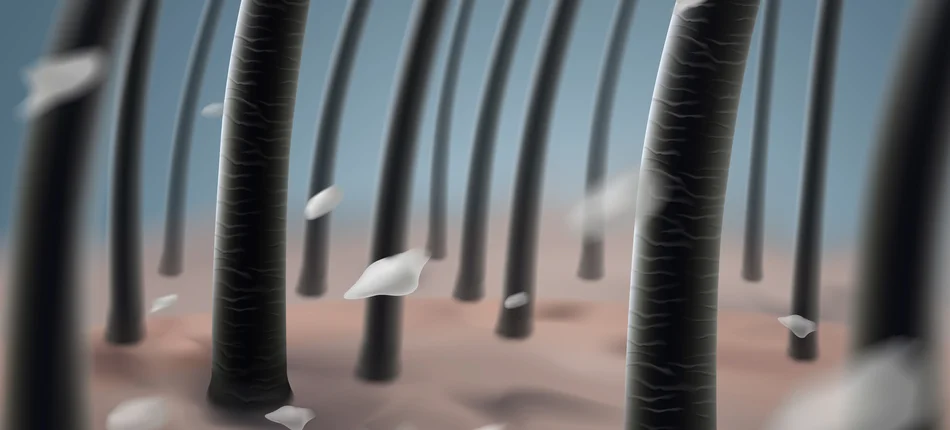
Our skin produces new cells all the time, while removing the dead ones. Under standard conditions, the cell renewal cycle lasts about 28 days and is virtually unnoticeable. Dandruff, on the other hand, develops when this process shortens to 7-15 days. In such a short period of time, the newly formed cells usually exfoliate even before they completely die off. The result is characteristic white flakes or scales of dead skin, which are easily seen on the hair, nape and shoulders. Dandruff is accompanied by an unpleasant itching, burning sensation and redness of the skin.
Causes of dandruff
A number of factors can contribute to excessive skin dieback. Among the main ones is excessive dryness or greasiness of the scalp. The condition of the skin can also deteriorate due to external factors, such as the change of seasons, polluted air or low humidity. Poor diet, hormonal changes and stress also contribute to the formation of dandruff. In addition, it can occur with excessive use of hair styling products or hypersensitivity to the ingredients of cosmetics used for scalp care. The most common cause of dandruff, however, is the yeast-like fungus Malassezia furfur, which occurs naturally on healthy skin at concentrations of up to 46 percent, and can account for up to 74 percent of the total scalp microflora in those struggling with the condition.
How to get rid of dandruff
Since yeast-like fungi play a major role in the formation of dandruff, treatment usually involves the use of medicated anti-dandruff shampoos with OTC status. Treatment usually lasts about a month and consists of washing the hair and scalp with a specialized shampoo twice a week. It is recommended to choose products that preferably contain the 2% active ingredient ketoconazole, which has anti-inflammatory and fungicidal effects. However, it is important to keep in mind that dandruff is a condition with a tendency to recur, so it is advisable to prevent it on a daily basis by following a few simple tips.
- Regular hair washing. Systematic and frequent hygiene of the scalp facilitates the regulation of sebum and removes grease that accumulates every day on the hair.
- Massage. When washing your hair, take a moment to gently massage your scalp, which allows you to thoroughly cleanse it and meticulously get rid of the dead skin that settles on your hair.
- Moderation in hair styling. Hair styling products - sprays or gels, used too often or in excessive amounts, block the follicle outlets and exacerbate seborrhea. What's more, blow-drying, straightening or curling hair leads to overheating and dryness of the scalp - one of the primary causes of dandruff.
- Life hygiene. Although it may come as a surprise to many, the formation of dandruff is also influenced by a diet low in zinc, B vitamins and omega-3 fatty acids. Eliminating stress is also beneficial for scalp health, as by disrupting the immune system it contributes to increased sebaceous gland activity.
- The right products. In order not to lose the effects of an anti-dandruff treatment, it is advisable to use products designed for daily use to prevent the recurrence of dandruff. The right duo - a shampoo and conditioner created for a demanding and flaky scalp, will allow you to enjoy great hair condition and, most importantly, protection against the formation of dandruff.
- Dandruff is, unfortunately, a recurring disease, so people prone to it are advised to use specialized anti-dandruff shampoos on a daily basis as a preventive measure, and to support their effect with a few good habits during their grooming routine. The health of the scalp is affected by both external and internal factors. While some of these are beyond our control, we can make sure that our shelf is stocked with products that will protect us against the formation or recurrence of dandruff. However, using specialized anti-dandruff products does not exclude having smooth and shiny hair, as the combination of anti-dandruff shampoo and conditioner provides a double benefit - dandruff-free hair in impeccable condition," says Katarzyna Mikos, Senior Brand Manager of Nizoral and Nizoral Daily Care at STADA Poland.
Source: press mat.