The current state of scientific knowledge leaves no doubt - regular consumption of red and processed meat is associated with a higher incidence of malignant tumors. Particularly at risk are people who cannot imagine their daily meals without a share of cold cuts or fried meat.
Meat consumption and cancer risk

Published May 19, 2023 13:30
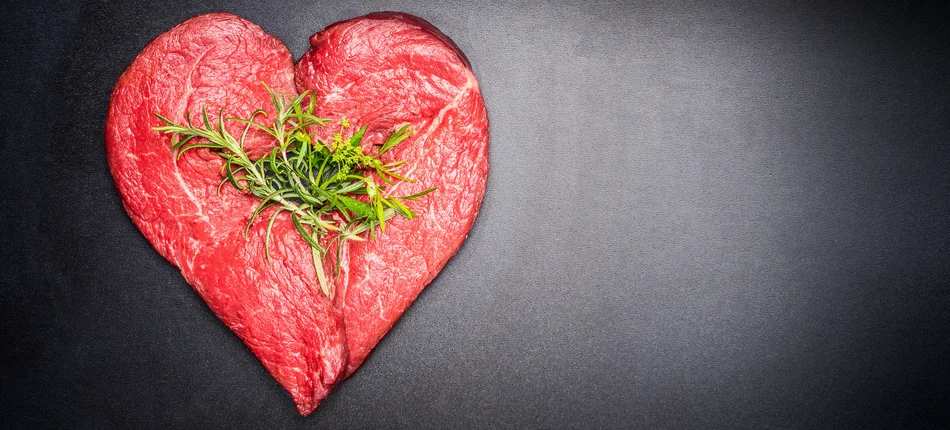
Fot. iStock/Getty Images
The place of red and processed meat in the classification of carcinogens
Let's start with a definition. Red meat comes from slaughtered animals (pork, beef, veal, mutton, lamb, horse meat, kid meat, venison) and has a high heme iron content. Processed meat, on the other hand, is meat that has been subjected to heat treatment (e.g., extended frying, traditional grilling, smoking), salting, curing, marinating, fermentation (maturation) or other processes that improve flavor or extend shelf life.
In 2015. The International Agency for Research on Cancer (IARC, or International Agency for Research on Cancer) published a report summarizing the results of more than 800 studies from the past 20 years on the link between meat consumption and cancer incidence. It concluded that regular consumption of pork, beef and other red meat can cause cancer. Red meat was classified in Group 2A, which includes agents that are probably carcinogenic to humans and certainly carcinogenic to laboratory animals, including acrylamide, nitrates and nitrites. A correlation between red meat consumption and cancer incidence was observed for colon, pancreatic and prostate cancer. Data suggest that the risk is highest for colon cancer - for every 100 grams (a serving the size of ½ a hand) of red meat consumed daily, the risk increases by 17%.
Processed meat has proven to be an even more potent carcinogen and has been classified in Group 1 - agents for which there is convincing evidence that they are carcinogenic to humans. This group includes alcohol, tobacco, asbestos, aflatoxins, Helicobacter pylori infection, among others. Research results indicate that frequent consumption of processed meat contributes to the development of colon cancer. Daily consumption of 50 grams of processed meat (such as 2 large slices of smoked ham) increases the risk of colon cancer by 18%. A similar association with stomach cancer has also been observed, but the evidence in this regard is not clear enough.
Potential mechanisms of cancer development associated with meat consumption
The exact mechanism of the carcinogenic effects of red and processed meat on the human body is still being clarified. It is currently believed that substances formed by the transformation of heme iron, present in large amounts in red meat, are responsible, as they damage the DNA of human body cells. In addition, heat treatment of meat at high temperatures or in direct contact with a flame (griddle roasting) or a hot hot plate (grill, skillet) causes the formation of carcinogenic chemicals (such as polycyclic aromatic hydrocarbons and heterocyclic aromatic amines). Thus, the more parched the surface of the meat, the more harmful carcinogens in the food. In contrast, there are no data on the safety of eating raw meat with regard to carcinogenicity. In the case of cured meats, their effect on cancer formation is related to the addition of nitrates and nitrites, which can react with meat ingredients to form carcinogenic nitrosamines.
Safety of eating red and processed meat - recommendations
According to estimates by the Global Burden of Disease Project, about 34,000 cancer deaths per year worldwide are the result of a diet rich in processed meat. In contrast, the combined effect of consuming red meat and processed meat is estimated at about 50,000 deaths per year worldwide. In comparison: 1 million cancer deaths per year worldwide occur as a result of smoking, 600,000 deaths per year from alcohol consumption and more than 200,000 deaths per year from air pollution.
Therefore, it can be concluded that for individuals, the risk of developing colorectal cancer associated with the consumption of red and processed meat is still low. However, it should not be forgotten that the risk of cancer increases with the amount of meat consumed. What does this mean in practice? Red meat is a source of many nutrients that are valuable to health and can supplement the diet. However, people who mainly consume pork, beef, veal, mutton and other types of red meat should limit the amount they eat. The World Cancer Research Foundation (WCRF, World Cancer Research Found) recommends not exceeding 500 grams of red meat per week (750 grams before preparation). Equally important, it should be as minimally processed as possible, meaning it should preferably be boiled, braised without being fried, or baked in foil or an ovenproof dish.
For red meat, the recommendation is "limit," while for processed meat: "avoid." People with a family history of colon cancer should take an even closer look at their daily diet. They should definitely choose dishes with fish, poultry, eggs and pulses instead of red and processed meat. It is also worth remembering that a factor that has a protective effect against this cancer is a diet rich in dietary fiber contained in vegetables, fruits, whole grain cereal products and legumes. These products should dominate our daily diet.
Source, Iwona Sajór, M.Sc.