Even if you observe potassium deficiencies in yourself, you should be careful with potassium supplementation, because an overdose is very dangerous - the result can be, for example, cardiac arrhythmias, respiratory muscle weakness, or nervous system disorders.
How important is potassium?

Published May 5, 2023 12:00
Fot. iStock/Getty Images
Muscle cramps, swelling of the limbs, chronic fatigue felt without special justification - these can be signs of potassium deficiency. It is essential to supplement it, as it is one of the most important elements for our health.
Like chlorine and sodium, potassium is one of the electrolytes, or minerals, that dissolve in water and carry electrical charges in all of our body's cells. Potassium's properties allow it to move through cell membranes. Its role is very important: it regulates the pH inside the cell and the osmotic pressure within it, and is an activator of many enzymes. Above all, it is responsible for regulating water metabolism, blood pressure and proper kidney function, but also for the efficiency of the nervous system and maintaining acid-base balance. It also regulates the rhythm of muscles (including the heart muscle), helps supply oxygen to the brain, and stimulates insulin secretion.
Hypokalemia, or potassium deficiency
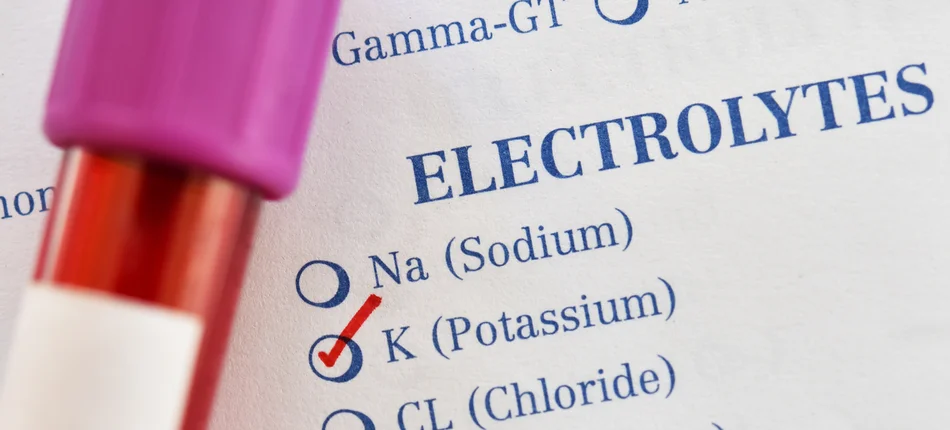
We speak of potassium deficiency in the body when its level falls below 3.5 mmoles per liter of blood (the optimal concentration is 4.0-5.0 mmol/liter). The drop is most often caused by dehydration, such as from diarrhea or vomiting, or lost with sweat during intense training. A short-term deficit is not dangerous, but if it persists longer, it can cause hypertension, cardiovascular complications, stroke, among others.
Why the shortages?
Potassium deficiencies accompany a variety of diseases. Loss of the element can occur through the gastrointestinal tract with vomiting and diarrhea, as well as through the skin, as a result of wounds and burns. At risk of deficiency are people with kidney disease, adrenal hyperfunction, heart failure, cirrhosis of the liver, renal vascular hypertension, Cushing's syndrome). Lack of potassium is also sometimes a side effect of medications, such as diuretics in hypertension, glucocorticosteroids, aminoglycosides.
We also often contribute to potassium deficiency ourselves, such as by drinking too much coffee or strong tea, dieting rigorously and using laxatives in excess. Regardless of the cause, potassium deficiency needs to be supplemented.
How to recognize that it is missing?
Symptoms of hypokalemia are often experienced after intense exercise or on a hot day. These can include tremors and muscle cramps, such as in the thigh or calf. Symptoms of persistent deficiency include general weakness, fatigue even during slight activity, "palpitations" of the heart on exertion, as well as dizziness, insomnia, feelings of anxiety and nervous tension.
People who work out and engage in intensive sports are particularly at risk of losing potassium with sweat. When training regularly, it is worth supporting yourself with an appropriate supplement. Temporarily compensate for the deficiency by eating two bananas or drinking a glass of tomato juice.
Potassium on telerase
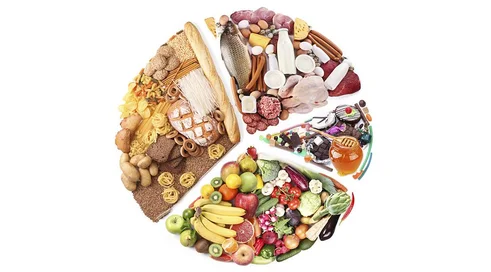
The basis for keeping potassium at the right level in our bodies is a proper diet. This is not difficult, as it is commonly found. It can be found in fruits, vegetables and meat. The highest potassium content is found in dried figs and apricots, molasses, apples, raisins, as well as nuts, bananas, citrus fruits, melon, avocados. Of vegetables, the richest in potassium are beans and peas, potatoes, tomatoes, broccoli, celery, cabbage, spinach and other green leafy vegetables. It can also be found in mushrooms and yogurt.
It is worth knowing that overuse of salt can contribute to potassium deficiency. When we over-salt our food, the kidneys work hard to remove sodium from the body, while getting rid of valuable potassium. Potassium, in turn, has the ability to retain calcium in the body, so a lack of it contributes to calcium deficiencies.
Caution!
- Even if you observe potassium deficiencies in yourself, you should be careful with potassium supplementation, because an overdose is very dangerous, advises Anna Kowalska, a nutritionist. - Its effects can be, for example, cardiac arrhythmias, respiratory muscle weakness, or disorders from the nervous system. On their own, let's choose preparations where the dose of potassium ions is not exorbitant, such as Naturell Potassium (1 tablet contains 80 mg of potassium ions in the form of organic salt gluconate, so the assimilability is good) or Kalivit (50 mg). Potassium preparations with magnesium like Aspargin, Asparaginian extra, Asparaginian MagnoKal are interesting. They contain organic salts of magnesium, so a form that is well absorbed, but the doses are not exorbitant, so rather safe. There are also specifics at the pharmacy, in which the dose of potassium is really large, and you can nevertheless get them without a prescription. Katelin +SR (1 capsule has 315 mg of potassium, an extended-release preparation with magnesium chloride), Potazek (320 mg, extended-release), Potas Colfarm (333 mg), and even PotazekMAX (472 mg)! Such large doses should be used only under medical supervision. It is important to monitor blood potassium levels during therapy and follow the instructions strictly.