Zuzanna Ciopalska, a graduate in dietetics from the Silesian Medical University in Katowice, decided to take a look at the "coffee" habits of pregnant and breastfeeding women. She checked how often and how much coffee they consume, as well as their awareness of caffeine's impact on the baby's development. The results may surprise you, as it turns out that more than half of the women surveyed don't have much knowledge on the subject. Most of them are also unable to determine the amount of caffeine they consume in a day.
A little black during pregnancy, or how much coffee to drink so as not to harm yourself and the baby?

Published Aug. 5, 2024 17:01
Fot. Getty Images/iStockphoto
- What surprised me most was how few women know the amount of caffeine in coffee, although at the same time most of the ladies surveyed know the daily intake norm they should follow. Among the 261 female respondents surveyed, when asked about the amount of caffeine in espresso, as many as 120 (46%) gave an incorrect answer, 101 (39%) women marked the answer: "I don't know," and only 40 (15%) gave the correct answer," says Zuzanna Ciopalska, and adds: - The results obtained reinforced my belief that education of pregnant and breastfeeding women about coffee drinking should be increased. Women should know the safe dose of caffeine, how much caffeine is in coffee, and know both the benefits of drinking a small black and the possible risks of drinking too much.
More than 50% decrease in coffee consumption during pregnancy and breastfeeding
The study, conducted by a graduate student at the Silesian Medical University in Katowice, clearly shows that pregnancy and breastfeeding have affected the coffee-drinking habit of respondents. Nearly 60% of the respondents declared that before pregnancy they consumed coffee several times a day. During pregnancy, the percentage decreased to less than 18%. A clear change is also seen in the case of breastfeeding women. Only 4% of those surveyed said they did not consume coffee at all before becoming pregnant. When the baby was born, the percentage rose to 35%. For this group, multiple coffee consumption per day dropped from almost 60% to 34%.
"Because my mother-in-law told me so."
The survey, conducted by a SUM graduate, included 180 breastfeeding women and 87 pregnant women between the ages of 18 and 44. The largest group of respondents were 33-44 years old (50% of those surveyed). Each of the ladies received a proprietary questionnaire, which was distributed to parenting groups through two popular social networks. The questionnaire consisted of two parts. In addition to the metric questions, that is, those relating to age, height and week of pregnancy, among others, the questionnaire included 38 closed-ended questions about the amount of coffee consumed before pregnancy, during pregnancy and while breastfeeding, as well as those assessing women's knowledge of coffee drinking during pregnancy and while breastfeeding. - The most important goal was to see if and how coffee drinking habits change when a woman first learns she is pregnant and then breastfeeds. I also wanted to know if the women I surveyed knew how caffeine affects the development of both the baby in the womb and the breastfed child. Since I am a nutritionist, and during my studies I worked in a coffee shop as a barista, the choice of the thesis topic was obvious to me," says the SUM graduate, adding: - At work, I often observed the people I served coffee to. The group that particularly interested me were pregnant women and breastfeeding women. It was with them that I discussed coffee drinking the most. Often it was me who offered coffee, and the pregnant woman would get offended, saying that you can't drink coffee while pregnant. I, for my part, inquired as to why such categorical statements because, after all, I already knew that being pregnant, it was impossible to exclude coffee so firmly from the diet. Women's answers varied: "because my mother-in-law told me so", "because coffee has an awful lot of caffeine and it harms my baby". , "because after drinking coffee I fed my baby and he didn't sleep all night". Let's remember that there are many myths about coffee that are not backed up by scientific research. As a barista, I enjoyed educating pregnant and breastfeeding women, explaining to them that they didn't have to give up drinking coffee. I argued that all they needed to do was control the amount of caffeine they consumed during the day, to which they immediately responded: - Then how much caffeine does my coffee have? This inspired me to conduct a scientific study.
Coffee causes hyperactivity
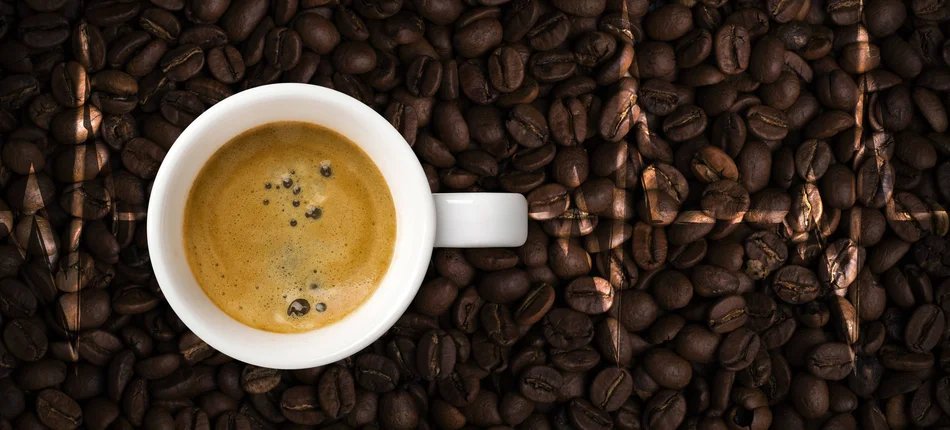
The most common reason respondents gave for not drinking coffee while breastfeeding was the adverse effect on their baby. The majority of respondents, 66%, cited baby hyperactivity and sleep problems as the biggest risks associated with too much caffeine consumption while breastfeeding. - A maximum of 300 mg of caffeine is considered a safe dose for a pregnant woman to consume. Meanwhile, an average single espresso (25-35 ml) has between 25 and 70 mg of caffeine per serving. It all depends on the botanical variety of coffee. Robusta has twice as much caffeine, extraction, which is affected by many factors: temperature, grind thickness, brewing time, turbulence (stirring during brewing) and the type of filter/sit used for brewing, and the degree of roasting can also have an impact. It is easier to extract coffee from dark-roasted beans," explains Susanna Ciopas and adds: - Of course, too much caffeine consumption can cause adverse effects on the health of the baby, but this does not mean that you have to give up drinking coffee altogether, as it also has proven health benefits. It is important for every pregnant and breastfeeding woman to pay attention to the amount of caffeine consumed during the day, so as not to exceed the safe caffeine intake. Especially since coffee is not the only source of caffeine in our diet. We also get it from sources such as tea, cocoa, chocolate, cola drinks and energy drinks. So, seeing how many women have no idea how much caffeine they consume in a day, and knowing the amount of myths circulating about coffee consumption, I think it is necessary to increase education about coffee consumption during pregnancy and breastfeeding. It would also be advisable to conduct more clinical studies on the effects of caffeine on the development of the child in the womb and the effects of caffeine on the breastfed child.
The drink of the gods
Little black is known for its health-promoting properties. No wonder it is called the "drink of the gods." As the SUM graduate argues, the list of benefits associated with drinking coffee is really long. These include reducing the risk of neurodegenerative diseases or cardiovascular diseases. Drinking six cups of coffee a day is associated with a 33% lower risk of type 2 diabetes. Interestingly, consuming decaffeinated coffee is associated with the same level of protection seen with caffeinated coffee. Coffee also has beneficial effects on the digestive system. Consumption of three cups of coffee a day has also been shown to reduce the risk of death from cardiovascular disease, ischemic heart disease and stroke. Compared to non-drinkers, the risk is reduced by 19% for cardiovascular disease mortality, 16% for ischemic heart disease mortality and 30% for stroke mortality at this level of consumption. - All of these health-promoting properties are also very important for pregnant and breastfeeding women. Provided that each lady knows the safe dose of caffeine and how to drink coffee during pregnancy so as not to harm herself or her baby. This is why proper education is so important," concludes Zuzanna Ciopalska.
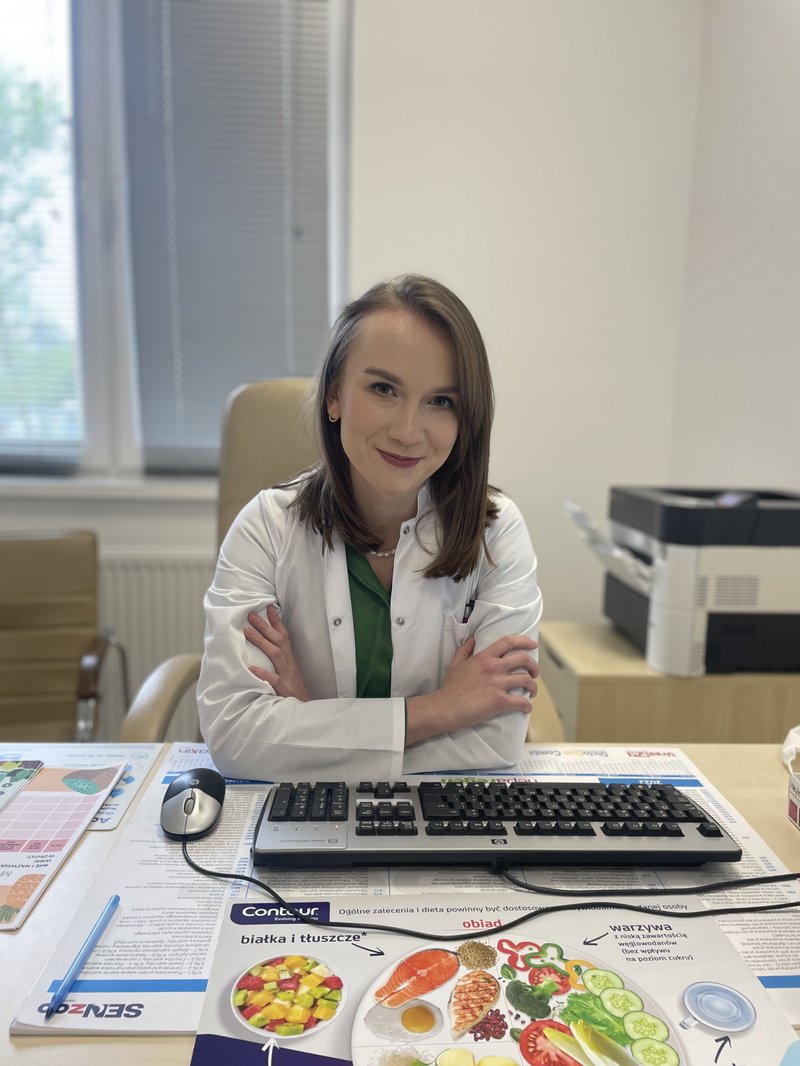
Zuzanna Ciopalska - this year's graduate of the second degree in dietetics with a specialization in pediatrics at the Faculty of Public Health in Bytom of the Silesian Medical University in Katowice. She has been working as an online dietitian for the past two years and runs a profile on Instagram, where she publishes educational content and recipes. She is currently in the process of looking for a job where she can fulfill herself as a pediatric dietitian. In the future, I plan to apply to the doctoral school of the Silesian Medical University in Katowice and develop myself academically. In addition to dietetics and coffee, she loves to cook, and feels like a fish in the water in the kitchen. Recently, she has been fascinated by baking sourdough bread. She loves to sing, which is why she has been a member of the Choir of the Silesian Medical University in Katowice since the beginning of her studies at ŚUM. She likes to travel, most to countries where coffee grows.
Source: Silesian Medical University