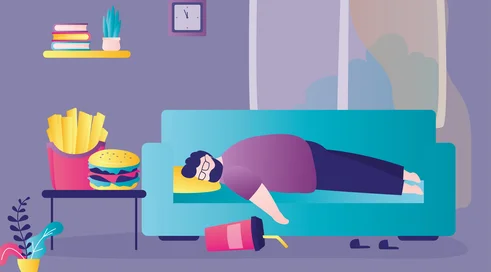
On World Sleep Day, experts remind us that healthy sleep is especially important for our health and well-being. Unfortunately, we often forget this, and for many, a good night's sleep becomes a luxury good. Insomnia and fatigue are the domain of our time, a result of a faster lifestyle and excessive digital activity.
Sleep a luxury good. What can you do to finally get a good night's sleep?

Published March 15, 2024 07:55

Sleep prolongs life
It should be recalled that during sleep, important processes of regeneration, memory consolidation and cleansing the brain of toxins take place. Lack of adequate sleep can have serious consequences for our daily functioning. It lowers concentration levels, which can interfere with work, school or even driving. However, that's not all. Research indicates that chronic sleep deprivation can have a negative impact on health. According to a study from Harvard University, people who regularly sleep less than 6 hours a night have a 48% higher risk of health problems such as obesity and heart disease. In addition, a study from the University of California, Berkeley, found that lack of sleep can negatively affect cognitive function, including memory, attention and decision-making ability. Healthy sleep, on the other hand, can help us avoid serious diseases and extend our lives.
"Healthy sleep is one of the factors that reduce the risk of premature death. Let's keep this in mind every day and take care of its quality. Therefore, to improve the quality of sleep, I recommend following the following tips. The first is to eliminate from your evening routine eating heavy meals and drinking alcohol, which can lead to sleep disorders and over-stimulation of the brain. Instead, turn to natural relaxation methods to help calm the body and prepare it for sleep. Incorporating these principles into our routine can help improve sleep quality and overall health," - Theresa Schnorbach, a sleep expert at Emma Sleep, advises.
Get enough sleep, but how?
It is estimated that up to half of Poles in Poland struggle with insomnia, making us one of the top sleep-deprived nations in Europe. Wanting to get a good night's sleep, we often look for shortcuts. In Poland, sleep medications are the second most commonly prescribed drugs by doctors in Poland, right after cardiovascular drugs. Pharmacotherapy is not always a good solution, and implemented too hastily can lead to addiction and further health problems. Experts recommend changing your sleep habits first, which can help you sleep through the night and wake up rested.
"It's also important to maintain regularity in your sleep schedule and create a calm and comfortable sleeping environment. Avoiding screens before bed is key, as the light emitted by electronic devices can disrupt sleep rhythms by inhibiting melatonin production, making it difficult to fall asleep and leading to sleep disorders. In addition, it is worth paying attention to the quality of the mattress, which plays an important role in ensuring a comfortable and healthy rest." - Schnorbach adds.
Sleep a cure for dementia?
In addition to prolonging life, sleep also benefits the quality of life. Maintaining sleep hygiene is very important for brain health and preventing serious neurodegenerative diseases such as dementia and Alzheimer's disease. People who suffer from sleep disorders in their 30s and 40s may be more likely to have problems with memory and thought processes a decade later, reports the online edition of the journal Neurology. Interestingly, in seniors, even a slight deterioration of the deep sleep phase can significantly increase the risk of developing dementia. The development of the condition is also favored by biological predisposition, lifestyle, diet and the level of stress experienced.
"Wanting to stay healthy, we often look for suitable activities that can help us stay in shape. However, it is worth remembering to maintain a healthy balance and find time for restorative rest that will strengthen us and help us stay fit longer. Rest is an equally important task that we should dedicate ourselves to every day." - adds the expert.
Source: press mat.