Interview with prof. Jakub Żołnierek from the National Institute of Oncology.
MRS
Are patients with prostate cancer treated optimally?

Published June 21, 2022 12:33
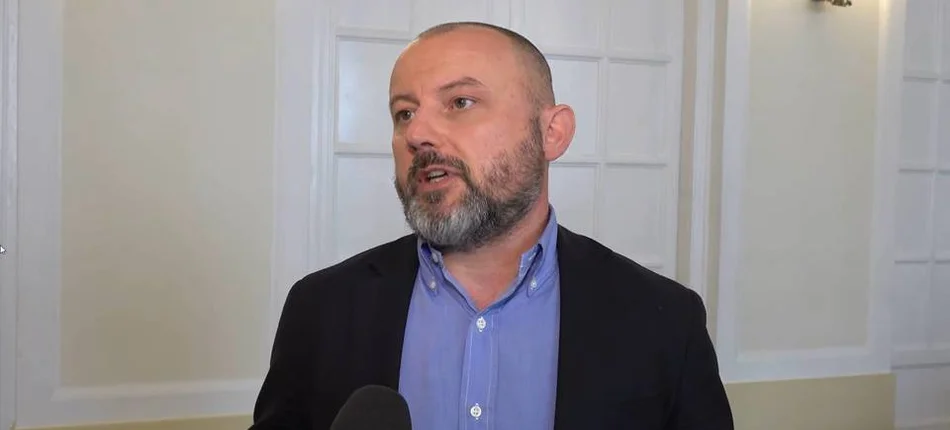
Prof. Jakub Żołnierek said, among others:
- We do not have access to modern hormonal drugs, which until recently could be used in the reimbursed option at the stage of castration resistance with dissemination.
- For several months now, we have been able to use them in patients with castration resistance without metastases, but the big problem is still the inability to administer them to patients with prostate cancer and dissemination in the earlier stages of the so-called sensitivity to castration.
- These drugs increase survival times significantly.
- In advanced prostate cancer, there are many therapeutic options - from chemotherapy, through molecularly targeted drugs, to hormone therapy (antiandrogens, drugs that inhibit the production of male sex hormones). Access is at all times restricted to the patient population susceptible to castration and dissemination.
- The new form of the drug program (introduced in March this year) has expanded our possibilities only in the population of patients with castration resistance without metastases. This is an important step, but it is a quite sophisticated and not very large population (600-800 [new] patients per year), patients to whom we previously had little to offer.