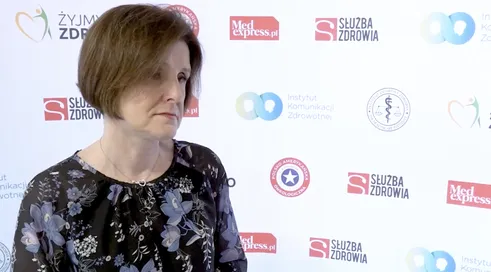
The last decade has brought tremendous changes in the treatment of inflammatory bowel disease - new therapies have emerged, and the voice of patients has become more widely heard in the health care system. - A lot of good things have happened, but the disease is not stopping. If we don't introduce new therapeutic options, it will become increasingly difficult to effectively help patients," says Marek Lichota, president of the Appetite for Life Association. The organization has also been calling for years for the implementation of comprehensive, coordinated care for IBD patients throughout Poland.
Marek Lichota: We need new therapies and a system that does not depend on the zip code

Published May 15, 2026 07:22
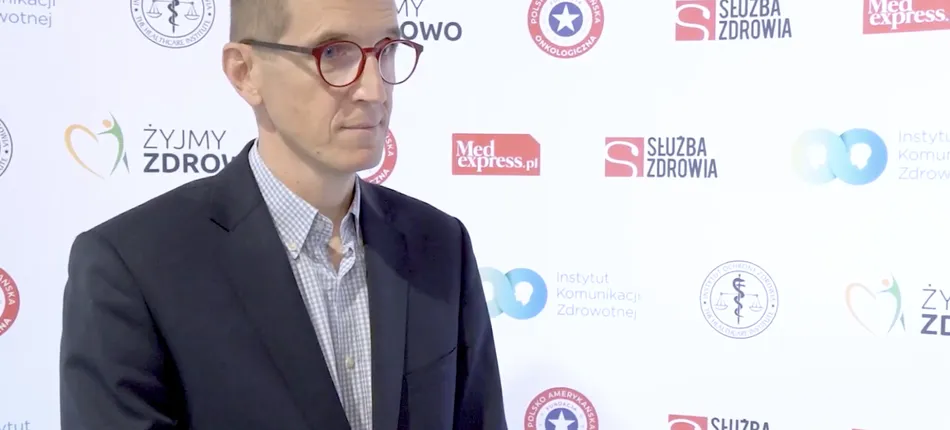
How do you assess the last decade in terms of voice, patient empowerment, but also what has happened in the system, in reimbursement, in inflammatory bowel disease?
I think ten years is a good time to take stock, and definitely a lot of good things have happened during this period, for which we thank the Ministry of Health, but also the specialists, doctors, patient organizations that have contributed to the introduction of new therapies. And undoubtedly, it still requires progress, the introduction of new molecules, because the disease does not stop. To some extent, it is like a runaway train. If we don't attach new cars with new therapeutic options, the more difficult it will be to treat patients. I'm thinking here primarily of two molecules risankizumab and guselkumab, which are still waiting for reimbursement and for introduction into the drug program precisely to give patients a chance for a better response, better treatment of symptoms, but also to reduce complications, which later may unfortunately be irreversible if surgery occurs.
And in the organization of the system itself, are patients hoping for any changes? For coordinated care?
Yes, this is one of the demands that we have been articulating for many years. Of course, this is an initiative of the Polish Society of Gastroenterology with the leading role of Professor Grazyna Rydzewska. We as patients extremely appreciate this initiative and support it as much as possible. It would help patients find their way along this health pathway, reach reference centers faster. It would make them comprehensively taken care of, first of all from the medical side, but also from the peri-medical side. I'm thinking here of any psychological, dietary, nutritional consultations. It is extremely important to just allow patients to live a normal life and also create a situation in which they will be equally taken care of throughout the country. Now it is very scattered and diverse. Where a patient lives largely determines how they are treated. And such comprehensive care would largely answer this problem.