It is a dangerous disease that affects over 2 million people in Poland. It is asymptomatic until the bone is broken.
Osteoporosis is not aging!

Published April 1, 2022 12:43
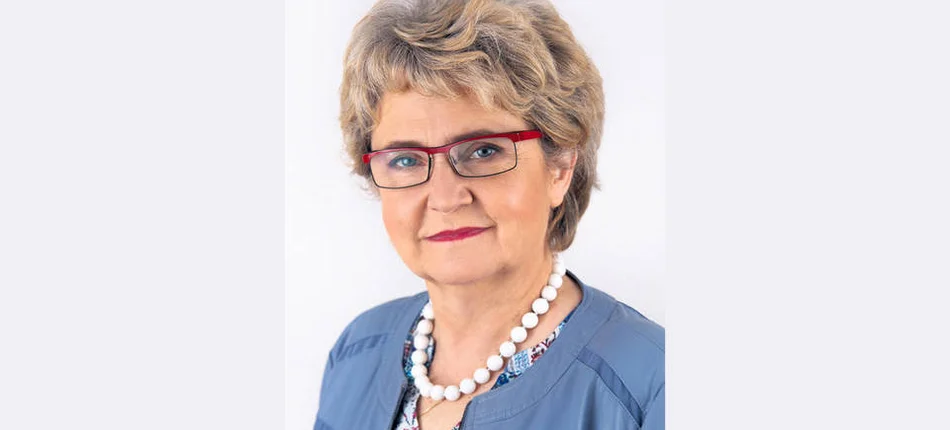
dr n. med. Maria Rell-Bakalarska
Information material Amgen Biotechnologia sp. z o.o
The first fracture, most often low-energy fracture, that is caused by a fall from the height of your own body, involves another one. A cascade of fractures follows. Fracture of the neck of the femur is very dangerous and leads to disability. For almost 30% of patients it means the necessity to use the help of a third person in everyday life or even "living with a walker".
The most serious consequence of such a fracture is death. According to the NHF report, in 2017 the annual mortality after hip fractures was 29.4%. The patient's fate is decided not only by the doctor, but also by the patient's knowledge.
THE DOCTOR MUST KNOW ABOUT ALL RISK FACTORS!
The most serious risk factor for further fractures is the previous fracture.
• Every patient over 50 years of age with a low-energy fracture or a 4 cm drop in height should be diagnosed for osteoporosis.
OSTEOPOROSIS RISK FACTORS WHICH WE CANNOT AFFECT
Such factors include: age (postmenopausal woman, man over 70), genetic background (fracture of the neck of a femur in a parent), early menopause, testosterone deficiency, cancer. Knowing about them, we can suspect osteoporosis and see a doctor early enough for a diagnosis.
OSTEOPOROSIS RISK FACTORS AFFECTED BY OSTEOPOROSIS
Diet with too little calcium. The recommended intake is about 1200 mg of elemental calcium ions. Its main source is dairy.
• Calcium supplementation is often necessary.
Low physical activity (less than 30 minutes a day) causes loss of bone and muscle mass.
• Bone mass is increased by weight bearing resistance exercises. Regular training, such as jogging, improves your balance, reducing the risk of falling.
Excessive alcohol consumption (over 3 units a day for men and 12 units a week for women) affects bones and the risk of falls.
Smoking increases the incidence of fractures.
• It is recommended to quit smoking completely.
Avoiding the sun , the use of UV filters reduces the synthesis of vitamin D in the skin.
• In Poland, vitamin D3 supplementation is usually necessary.
Underweight . In women with a body mass index below 18 kg/m2, osteoporosis is more common. Low muscle mass is associated with a higher risk of falls and fractures.
Frequent falls increase the risk of fracture.
• Look for a medical cause of falls and use fall protection measures (e.g. good lighting, elimination of barriers in homes, use of a walking frame, wearing appropriate footwear).
• Exercise is important to improve muscle balance and coordination of movements.
Diseases. Rheumatoid arthritis - a very important risk factor for fractures.
• Should be treated for remission, possibly without the use of glucocorticoids. Others are: type 2 diabetes, endocrine diseases - hyperthyroidism or parathyroid glands, intestinal diseases leading to malabsorption disorders (colitis ulcerosa, Crohn's disease).
• Appropriate therapy and symptom reduction reduce the impact of these diseases on the development of osteoporosis.
Drugs. Bones are most adversely affected by glucocorticoids (steroids).
• The doctor treating osteoporosis should absolutely know about the use of these drugs, and vice versa - the doctor who uses these drugs should know about the diagnosis of osteoporosis.
The diagnosis of osteoporosis should be the prelude to long-term therapy!
Author: Maria Rell-Bakalarska, MD, PhD, Rheuma Medicus Center for Rheumatology and Osteoporosis in Warsaw

Topics
osteoporoza