October is Breast Cancer Awareness Month, so the topic of prevention of these cancers is making a comeback. More and more Polish women are beginning to treat breast cancer prevention as an important part of taking care of their health, and check-ups are becoming a regular item on their agenda of things to do. What are the conclusions of the survey?
Breast cancer prevention in Poland. There are successes, but also shocking shortcomings

Published Oct. 6, 2025 08:55
Fot. iStock/Getty Images
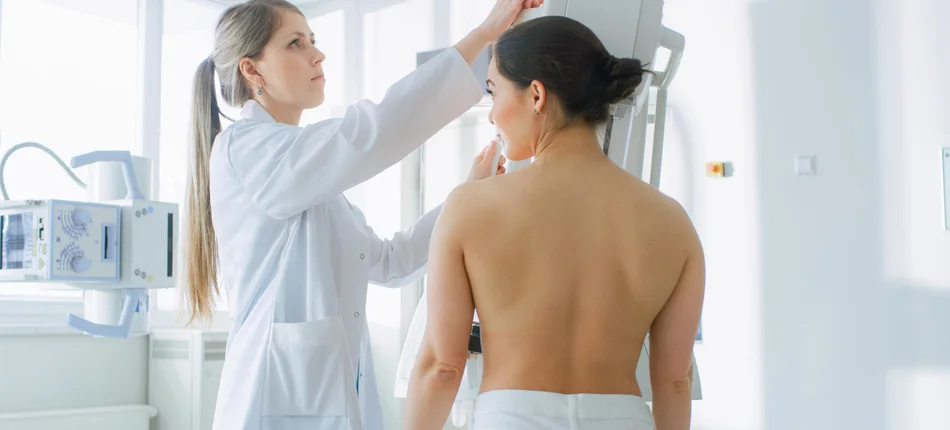
Research firm Maison&Partners, on behalf of the Schwarzkopf Gliss brand, asked women if, how and why they examine their breasts, and what holds them back. The survey, "Polish Women and Breast Cancer Prevention - Motivations, Barriers and Opinions on Brands' Commitment to Health Promotion," found that 43% of women regularly perform breast self-examination by palpation and 39% undergo ultrasound, a clear step in the right direction. One in three Polish women (33%) has had a prophylactic mammogram in the past two years, and in age groups particularly at risk of the disease, the percentages are even higher - 45% of women aged 45-54 and as many as 61% of women over 55 have mammograms.
These survey results give reason for optimism - awareness of prevention is growing, and women are increasingly reaching for examinations that can save their lives.
...but also reasons for concern
However, along with these positive signs, there are also alarming data. A second number of women - about 40% - do not get examined regularly at all. As many as 46% of women aged 45 -54 and 31% over 55 admitted that they had not had a mammogram in the past two years, despite the fact that this is when this examination is most recommended. The state of preventive care among young women is also of great concern - women under the age of 24 are less likely to have breast examinations - as many as 46% do not do a self-examination, and 61% do not have a breast ultrasound. This shows how big the gaps in awareness are still and how important the role of education remains.
Who and what motivates us? From physician authority to intrinsic motivation
The most important impetus for examinations is a doctor's recommendation - 36% of women point to it. For 30% of Polish women, preventive examinations stem from an internal need, an expression of concern for health and a habit. The source of motivation is also their own experience, such as genetic load and cancer cases in the family (28%) or the occurrence of worrying symptoms (27%).
For half of the women, gynecologists are the most reliable source of encouragement for testing. People who have experienced the disease themselves are also of high importance - this is the case for 39% of the women surveyed. Younger women are more likely to point to the role of friends and loved ones, as well as inspiring content on social media.
The doctor, however, remains an invaluable guide - not only as an authority, but also as a practical point of contact that realistically motivates action.
Time, cost and fear are the most common barriers
Unfortunately, there are still many barriers that keep women from getting screened. The most commonly cited are:
- Cost of private research on par with lack of time - mentioned by 27% of respondents
- distant deadlines in the public system (26% of indications).
A major barrier is fear - 20% of women admit that they are afraid of detection of the disease and the consequences of a diagnosis - a psychological barrier that is particularly strong in large cities.
We get our knowledge about prevention from gynecologists
39% of Polish women point to a gynecologist as their main source of knowledge about breast cancer prevention, while 23% use online portals. Younger women are more likely to turn to social media, educational campaigns and webinars. Alarmingly, however, as many as 20% of women do not seek knowledge on the subject at all - a signal that educational efforts need to reach out more widely and effectively.
For research at the Mall - why not?
Polish women are open to innovative solutions. 56% of women view positively the idea of meetings about breast cancer prevention in everyday places - shopping malls, cafes or beauty salons. The biggest incentive would be the ability to get tests "right away" (55%) or faster access to appointments (34%). Reminders sent by the mCitizen app are also an interesting suggestion.
This shows that women want preventive care closer to them - simpler, more accessible and integrated into their rhythm of life. The nationwide educational initiative Gliss Pink Patrol, implemented by the OnkoCafe Foundation - Together Better in cooperation with the Gliss brand, responds to the needs identified in the survey. The project, which launched in 2023, is reaching out to women across Poland with knowledge and support.
Thanks to the initiative, 95 Pink Patrol Gliss clubs have already been established in Poland. To date, more than 350 women have been trained to become certified Ambassadors, and more than 30,000 ladies across Poland have already become beneficiaries of the Pink Patrol's activities. In their activities, the Ambassadors train in breast self-examination using phantoms, distribute educational materials, support women who have encountered the disease, and everything is done in a friendly atmosphere.
Maison&Partners' survey clearly shows: Polish women want to get tested, they are aware of the importance of prevention, but they still too often face barriers - financial, organizational and psychological. It's good news that the number of women getting examined regularly is growing, but equally alarming is the fact that as many as half of Polish women are still avoiding examinations. That's why it's crucial to facilitate access to examinations, shorten queues, education based on the authority of doctors and practical campaigns that will make prophylaxis a daily, natural habit of women in Poland.
Source: Press Mat.
Topics
samobadanie / badania kontrolne / Rak piersi / mammografia / profilaktyka / edukacja zdrowotna