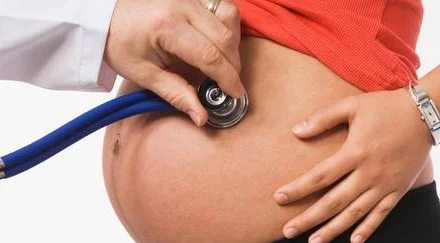
A trace amount of protein in the urine of a pregnant woman is acceptable. This phenomenon can affect about 70% of women and is most often due to physiological changes occurring in the body. However, exceeding the norm of protein in the urine indicates an infection and requires further diagnosis. Advanced proteinuria additionally causes a number of symptoms, including edema and increased blood pressure.
Protein in urine during pregnancy - norm and causes
Causes and symptoms of protein in urine in pregnant women
The presence of trace amounts of protein in the urine of pregnant women is acceptable, as it is due to physiological changes in the body. Protein in small amounts can appear due to changes in kidney function, physical exertion, prolonged and severe stress, elevated body temperature. you can read about protein in urine in pregnancy at https://badaniakrwi.pl/bialko-w-moczu-w-ciazy-co-oznacza-jakie-sa-normy/, it is also detected in women with chronic hypertension or diabetes. Small or trace amounts of protein do not cause any symptoms, so they are detected incidentally during a routine general urine examination.
The causes of proteinuria are many. Most often proteinuria occurs due to a urinary tract infection, in which case it is a symptom of bladder inflammation. Proteinuria can also be a symptom of pregnancy poisoning, which runs along with nausea and vomiting. Women who are pregnant for the first time or after the age of 35 are particularly prone to so-called gestosis. The cause of poisoning is most often hormonal disorders. An advanced state of proteinuria is symptomatic, causing, among other things, the appearance of a characteristic foam during urination, as well as the retention of water in the body, resulting in edema. Excessive protein in the urine can also lead to increased blood pressure.
Urine protein in pregnancy - norms
The acceptable norm for urinary protein in pregnancy is <150 mg/day. A result of 150-250 mg/day indicates physiological proteinuria. This condition can be transient and harmless, but also indicates a minor infection. Physiological proteinuria requires individual interpretation and is an indication for medical consultation. A protein concentration of >300 mg/day is considered an abnormal result with an indication for urgent medical contact.
Treatment of proteinuria in pregnancy
Treatment of proteinuria is individual and requires the patient to remain under medical supervision. Before selecting pharmacological agents, it is necessary to conduct a urine culture test to detect microorganisms. Amoxicillin and fosfomycin, which are safe for the fetus, are most often used in therapy. In the case of a very high concentration of protein in the urine, treatment includes diagnostics for hypertension, severe intoxication, heart disease, diabetes mellitus. An advanced form of proteinuria is also grounds for hospitalization of the patient. The key for pregnant women is the prevention of urinary tract infections, taking into account, among other things: adequate hydration of the body, not holding urine in the bladder, taking care of the hygiene of the intimate area, avoiding the risk of colds, avoiding frequent baths in the bathtub, taking care of the supply of nutrients necessary for immunity.