NIL IN - The Network of Innovative Physicians has prepared two guides on communication during inpatient visits and tele-visits - one aimed at physicians, the other at patients.
"Pink in the morning, yellow in the afternoon," or how to improve doctor-patient communication

Published May 15, 2026 09:00

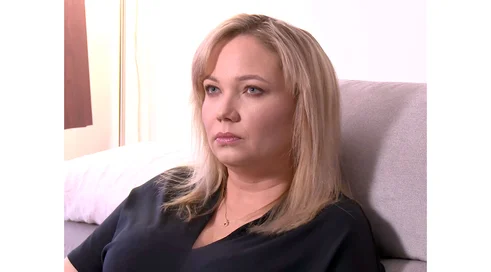
Fot. Getty Images/iStockphoto
The guide for physicians organizes good practices for conducting consultations: from preparing for a visit, to building a sense of security, respecting confidentiality and clearly explaining the treatment plan, to documentation principles and tele-treatment. The guide for patients shows how to prepare information about symptoms, medications and medical records, how to accurately describe a health problem, ask questions and make sure recommendations are well understood. The goal is to reinforce safety, but also to increase adherence - a patient will not follow a doctor's recommendations if he or she does not understand them. Without good communication, there can be no partnership, a key condition of the treatment process.
The guides are available digitally - including on the patient.gov.pl website and in IKP, although, as a representative of the Office of the Patient Ombudsman said during a debate organized at NIL on Thursday, it would be good, given the digital exclusion of a large proportion of patients, primarily seniors, for them to also appear in printed form either in dispensaries or pharmacies (optimally in both places). As emphasized by Dr. Artur Drobniak, president of the ORL in Warsaw, the medical self-government in matters of e-Health cooperates very closely with the Ministry of Health, even if there are tensions in other areas. An example of such cooperation is precisely the guides and their use by CeZ.
No one needs to be convinced that advice on communication is needed. - I would dream that at least some of my patients read this guide," said co-author of the publication, doctor Malgorzata Kiljanska of NIL IN. - As doctors, we encounter situations every day when we hear the basic question about the medicines we take: "pink in the morning, yellow in the afternoon, and another half of white at night."
When asked about the names of the drugs, the patient honestly replies that he doesn't know, but his wife does. - Only the wife is not there. Or he says he has a card in his wallet. But the wallet isn't there either. These are situations we encounter on a daily basis, and they make work extremely difficult," the doctor said.
Improving communication, both on the part of the doctor and the patient, can reduce the number of difficult cases, situations in which the patient makes claims against the doctor. If only for this reason, as the representatives of the Medical Council stressed, work on this area - for the patient and the treatment process, but also for the good of the doctor. Better communication means greater security for both parties.