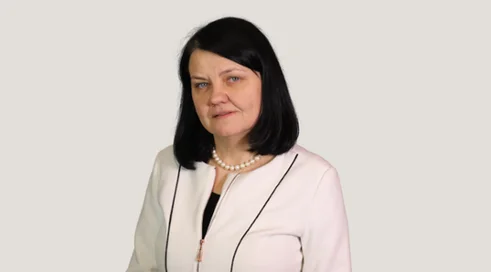
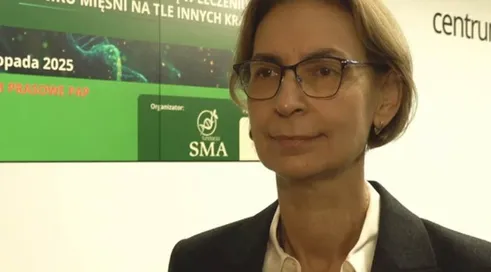
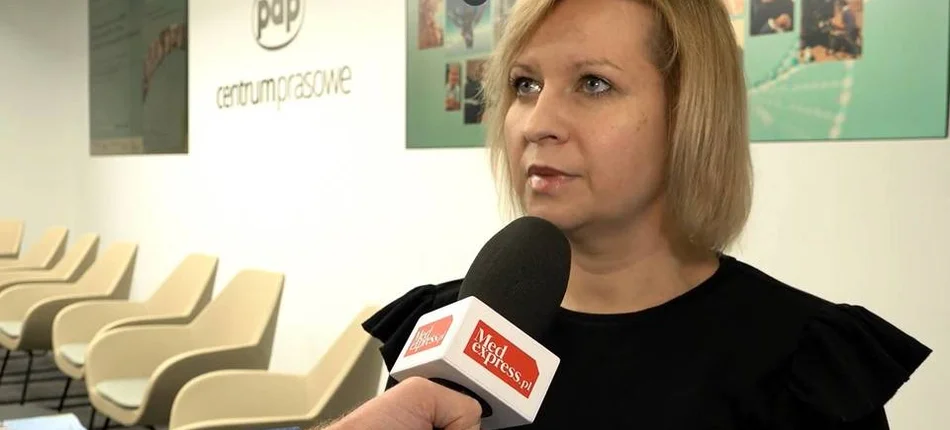
“Since there are treatments for SMA, we know we can stop this progressive disease. Her image changes. It becomes a chronic disease, not a fatal one. We are proud of it. We hope for further successes and further therapies - said Dorota Raczek, president of the SMA Foundation, in an interview with Medexpress.
SMA becomes a chronic disease, not a fatal one

Published Nov. 7, 2022 12:57
How would you summarize the implementation of the spinal muscular atrophy drug program for nusinersen over the last few years?
The implementation of this program was very quick. In the first year, we saw a very large increase in the number of patients who were included in it. Children were the priority. In each subsequent year, patients were implemented proportionally. We now have over 850 patients treated under the drug program.
In the context of treating this disease, we also talk about multidisciplinary care. Could this be the seed of SMA coordinated care?
We must remember that this is a multi-organ disease. The main doctor is a neurologist. However, patients also have problems with nutrition, breathing and orthopedic dysfunctions. This is very often associated with surgeries that can help the patient improve their quality of life. We asked about 200 patients and their caregivers how they imagine care and what it looks like in our country. The results surprised us a bit. It turned out that a large number of patients and caregivers often do not see the need to consult multiple patients. All confirmed that they are under the care of a neurologist, but they no longer see the need to seek the care of a cardiologist, dietitian, gastroenterologist or pulmonologist. We were surprised, however, that patients with SMA are already aware that in addition to pharmacotherapy, physiotherapy is very important. Patients confirmed that they are rehabilitated, and in most cases it happens once a week or even more frequently.
We said that there are already very good therapeutic possibilities. How does this translate into the patients' quality of life?
Since there are treatments for SMA, we know we can stop this progressive disease. Her image changes. We have adults or late-treated adolescents with profound disabilities, but now screening children are also being treated very quickly. We see tremendous progress and we believe that pharmacotherapy, together with comprehensive care and the entire package for patients, will make them feel better and look to the future with the hope that the disease will be completely stopped. SMA becomes a chronic disease, not a fatal one. We are proud of it. We hope for further successes and more therapies.
Thanks for the interview.