American doctors are sounding the alarm - more and more children are swallowing small lithium (button) batteries. What is the threat of this?
They look innocent and can even kill

Published Sept. 7, 2022 13:23
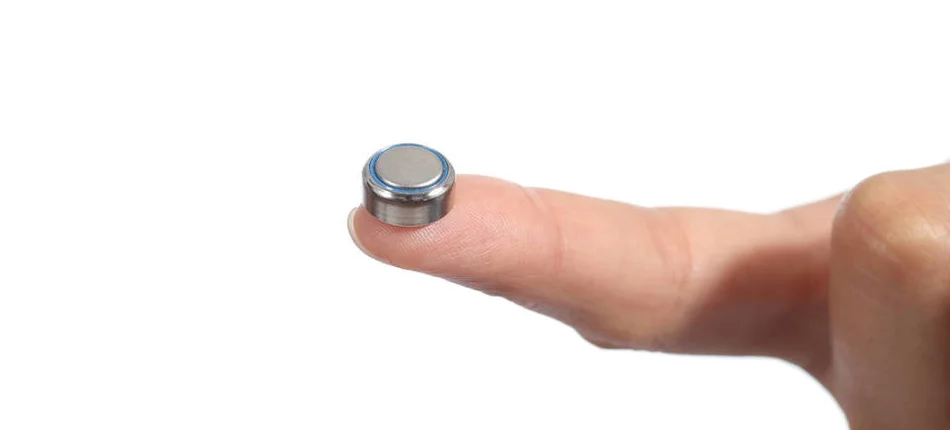
Fot. Getty Images/iStockphoto
The consequences of swallowing batteries can be very serious, sometimes fatal, according to the latest report by the US CDC (Centers for Disease Control and Prevention).
Despite numerous information campaigns warning parents about the dangers of batteries, it is estimated that between 2010 and 2019, 7,032 children were brought to emergency rooms in the US with a battery in one of the body cavities. This is more than twice as much as in the years 1990-2009. In 87 percent. cases, button batteries were ingested.
Children of all ages are affected, but children under 5 years of age are most at risk, especially between 1 and 2 years of age. The youngest ones "instinctively" put the objects they find in their mouths.
When a battery gets stuck in a child's throat, saliva creates conditions for the current to flow. It results in a chemical reaction that can severely burn the esophagus in just two hours, causing it to perforate. Other possible complications include 'paralysis' of the vocal cords and even damage to the airways (trachea) or major blood vessels, the researchers warn.
Button batteries are ubiquitous. They power toys, calculators, thermometers, flameless candles, glowing jewelry, hearing aids, laser pointers, mini pilots, step counters, car key rings, postcards that play a tune, and hundreds, thousands of other small devices.
The authors of the study found that 90 percent. battery injuries resulted from swallowing, 5.7 percent. from putting it in the nose, 2.5 percent. in the ear and 1.8 percent. into the mouth (without swallowing).
A battery in the nose can perforate the septum, and in the ear can cause damage to the eardrum, hearing loss, or paralysis of the facial nerve.
The most common symptoms that indicate that a child has swallowed a battery are: wheezing, drooling, coughing, vomiting, chest discomfort, refusal to eat, or choking when trying to drink or eat. Sometimes it takes a few days for symptoms to appear.
Statistically, the most dangerous complications occur after swallowing button-type batteries with a diameter of about 20 mm. These are batteries with one of the three codes: CR2032, CR2025, CR2016. If not removed quickly, they can even lead to the death of the child.
A child suspected of swallowing a battery should not be given anything to eat or drink. Nor should you induce vomiting. Basic diagnosis includes an X-ray of the baby's entire neck, esophagus and abdomen.
As with any other injury, poisoning and accident - prevention is key. You should avoid changing batteries in devices in the presence of young children - they find shiny objects very tempting. Expired batteries should be disposed of immediately and safely, and spare ones must be kept out of the reach of children, advise the authors of the report.
Sources: CDC/CNN