Hardly anyone is aware of the great consequences of untreated teeth. We usually equate this fact with pain, bad breath and an unsightly smile. Unfortunately, this discomfort can turn into something much worse. Untreated dentition leads to very serious diseases, and in extreme cases even to a heart attack or death.
Untreated tooth causes a heart attack?

Published Aug. 11, 2022 12:04
Fot. Getty Images/iStockphoto
Caries is a common disease and is the most common problem in the dentition of Poles. At the same time, it does not seem like anything dangerous to most of us, until the dentist is forced to take radical steps. The second place on the podium is taken by periodontitis, i.e. periodontitis, which results in loosening of the teeth - most often only in adults, but also more and more often in adolescents. In the case of both seemingly harmless diseases, bacteria are responsible for the destruction. Underestimating these problems most often results in a multi-organ disease, ranging from tooth loss, through headaches, to cancer and the entire spectrum of diseases resulting from complications.
Less obvious consequences of untreated dentition?
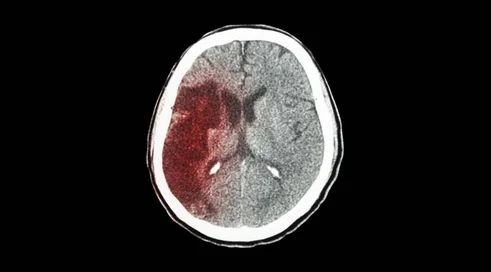
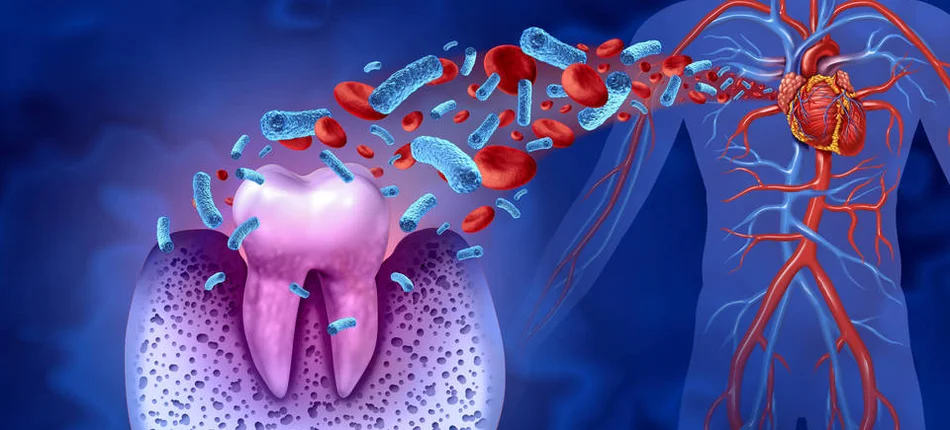
- We do not take into account that bacteria from the mouth can enter the bloodstream and attack virtually every organ in our body. Infecting the kidneys can lead to their complete failure, an attack of the pancreas contributes to diabetes, and the stomach to ulceration. Our most important organ, the heart, is also at risk. The bacteria from the streptococcus family are responsible for this process, which, as a result of an immune reaction, can settle on small blood vessels, thus reducing their diameter, which significantly impedes blood flow. These microorganisms also cause the formation of atherosclerotic plaque which, when detached from the vessel, clogs the lumen, possibly resulting in a heart attack or stroke. Scientific research in recent years has shown that some strains of batteries present in the oral cavity can cause meningitis, explains Dr. Monika Pordes, specialist in implantology and oral surgery.
People who ignore problems in the oral cavity are at risk of developing sepsis, which can be life-threatening in the presence of a compromised immune system. Joint diseases, so common in the elderly, are also diseases that can be caused by bacteria from unhealed teeth. Pregnant women must be especially careful, as they are prone to difficulties in carrying out pregnancy, premature birth and even miscarriage.
Self-destruct of the organism
One of the problems that can affect us when we react incorrectly to carious changes in the teeth is an autoimmune disease. Any accumulation of bacteria in the mouth causes our body to stimulate the immune system to produce antibodies. By not treating a sick tooth, we lead the antibodies to attack healthy organs. In this case, people before or after transplantation must be especially careful, because the confused immune system will try to destroy the cause of the weakening of the body at all costs by attacking the transplanted organ and leading to its rejection.
From tooth extraction to eating disorders
The problem itself, when we talk about untreating a sick tooth, can develop deep into our mouth and jaw, leading to loss of teeth and thus problems with chewing food. The consequence may be gastric problems and even eating disorders, often manifested by anorexia.
At first, this problem manifests itself as a reluctance to bite because of the pain that comes with it. Another issue is aesthetics - people with dental problems are simply ashamed to eat in public spaces, which often leads to avoiding social interaction and participating in important events, celebrations and meetings, which include a meal. Obesity is at the other extreme. People who have badly damaged teeth do not bite but swallow, which also means they eat more. This leads to obesity in a straight line, and obesity, as is known, also contributes to the intensification of disease processes.
press info