The HCV virus was discovered relatively recently - in 1989. It causes hepatitis C, leading to inflammation, fibrosis and, eventually, cirrhosis and even hepatocellular carcinoma. It is estimated that in Poland about 0.5% of the population, or up to 150,000 people, may be infected! The problem, however, is that most of them have no idea about it. The big takeaway, experts say, is effective and accessible treatment. However, they are quick to add: "Find us a patient - and we'll do the rest."
HCV virus: Why have others succeeded?

Published May 6, 2025 15:18
Fot. Getty Images/iStockphoto
The HCV virus is extremely insidious because in most cases the infection is asymptomatic or the symptoms are uncharacteristic like fatigue, indigestion, joint pain or skin lesions. Patients often find out about the infection only when symptoms already signifying serious liver damage like cirrhosis or even cancer appear.
In 2016, Poland pledged with other countries to eliminate hepatitis C by 2030. However, without intensified efforts, including mass screening, this goal is at risk, experts warn. - If we maintain the current pace of testing, we will only test all those infected in 500 years. Let me remind you that this year we celebrate the 1000th anniversary of the founding of the Polish state," said Jerzy Jaroszewicz, MD, head of the Department of Infectious Diseases and Hepatology at the Silesian Medical University in Katowice. Meanwhile, in 2023 alone, Poland registered 2,100 deaths from primary liver cancer and another 2,000 deaths related to HCV-related cirrhosis.
Liver - the body's storage, purification and logistics center
- One could say that the liver works like MPO in a big city," explains Professor Robert Flisiak, head of the Department of Infectious Diseases and Hepatology at the Medical University of Bialystok. - It picks up toxic waste, processes it into safe forms, stores supplies for hard times and supplies the body with the necessary "goods" for daily functioning. If MPO stops working, the city drowns in garbage and becomes unfit for life. The same is true of the body - liver damage means a serious threat to health and life. Infectious disease doctors lament that although liver disease is one of the most dangerous and is responsible for thousands of deaths every year, it still remains outside of public attention.
There is no fashion for a healthy liver
- There is no fashion for a healthy liver. We have a fashion for a healthy heart, for cancer research, for beautiful, slender bodies - but the liver is still in the shadows," says Prof. Jerzy Jaroszewicz. - Little is said about liver disease in general. Meanwhile, 15,000 people in Poland die each year because of the liver - these are premature deaths that could often be prevented. For comparison: a heart attack causes about 25,000 deaths a year. The problem is low awareness. - Everyone has heard that blood pressure needs to be measured, that salt should not be abused. And who has heard of anti-HCV testing? - asks the expert. And it is HCV that is responsible for 60 percent of liver cancer cases in Poland. The cancer remains one of the worst prognosticators - 90 percent of patients die within a year of diagnosis. About 1,700 people are diagnosed with it each year, and as many as 2,500 die - meaning that more people die than are diagnosed.
HCV treatment - effective and accessible
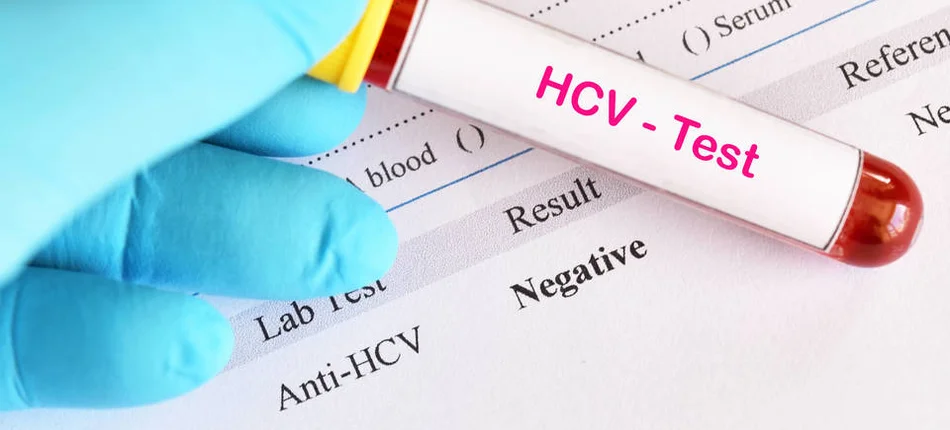
The good news is that hepatitis C is now the first chronic infectious disease that can be completely cured. Poland has a very good drug program funded by the National Health Fund. Treatment lasts from 8 to 12 weeks, relies on modern oral therapies and is safe and effective. The diagnostic process includes:
- anti-HCV antibody testing,
- In case of a positive result - confirmation of infection by HCV-RNA testing,
- Implementation of antiviral treatment.
The earlier therapy is started, the better the chance of liver regeneration and full recovery. Unfortunately, in advanced cirrhosis, even eradicating the virus does not always undo the damage to the organ.
What works and what doesn't?
In Poland, HCV testing is performed infrequently and randomly - for example, during campaigns or pilot programs. Family doctors may order HCV tests, but they do so sporadically. Experts urge that screening of up to 2 million people a year is needed to effectively eliminate HCV. The new "My Health" project, which includes testing in the 20+ group and is based on risk questionnaires, is a step in the right direction. But - as Prof. Malgorzata Pawlowska, who heads the Department of Infectious Diseases and Hepatology at Nicolaus Copernicus University in Torun, points out - this is not a full-population screening program. It would be enough to have 2-3 tests per day in each clinic to reach the WHO's 2030 targets. - This is no burden. In the pandemic, we did hundreds of thousands of tests a day," Prof. Flisiak points out.
Time for a National Screening Program
Although Poland has had access to modern and effective HCV therapy for 10 years, the National Screening Program is still lacking. - We have been pushing for this program for years, but it still does not exist," says Prof. Jaroszewicz. As a result, many at-risk groups remain outside the system. - In prisons, we started testing only last year, while in most European countries it is standard. Drug addicts are tested mainly through NGO efforts, with no real systemic support. We also don't know what's going on in the migrant community, especially those without insurance or access to health care - even though they often come from countries with a very high incidence of HCV.
According to experts, current efforts are too fragmented. - The simplest thing would be to introduce a universal testing program, as the Lithuanians did, says Prof. Flisiak. - There, 80% of people in the 30-65 age group were tested within two to three years, providing treatment to anyone who needed it. In Egypt, on the other hand, where HCV infection affected up to 20% of the population, the authorities simply distributed effective drugs to those infected - because the priority was the population effect, not individual medical records. Today Egypt has infection rates similar to Poland," says Prof. Flisiak. We lack systemic courage. Others have been able to...