Modern medicine has many specialties. One of them is hematology, which specializes in the hematopoietic system and diseases related to it. Blood plays an extremely important role in the human body, as it nourishes organs and has a major impact on the immune system. In this article we will answer the question of when to go to a hematologist and how to prepare for the visit.
When should one visit a hematologist?

Published Nov. 29, 2023 08:00
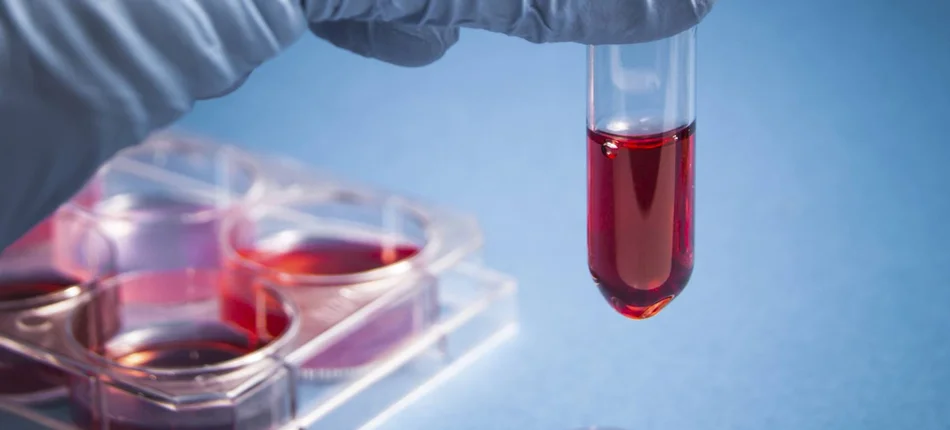
Thinkstock/GettyImages
Who is a hematologist?
A hematologist Warsaw doctor deals with diseases of the blood and hematopoietic system, i.e. bone marrow, spleen, liver and lymph nodes. To become a hematologist, one must complete medical school and a three-year specialization. As part of his medical practice, a hematologist can diagnose, treat and implement a variety of preventive measures. A hematologist has extensive knowledge to detect abnormalities in blood clotting mechanisms, blood component deficiencies and tumors.
A hematologist doctor deals with the following diseases:
- hyperplasia,
- thrombocytopenia
- lymphoma,
- Myeloid and lymphoid leukemia,
- immunodeficiency,
- anemia,
- mastocytosis,
- hemorrhagic diathesis,
- Primary marrow fibrosis,
- plasmocytic myeloma,
- AIDS,
- chronic myeloproliferative syndrome,
- hemorrhagic diathesis and thrombophilias.
It is worth noting that a sizable proportion of diseases are relatively easy to cure. However, some of them are distinguished by their severe course and can lead to death. It is therefore extremely important to diagnose and detect possible abnormalities early.
Indications for visiting a hematologist
We are usually referred to a hematologist by a family doctor who is concerned about blood tests. However, specialists distinguish a number of symptoms that should prompt us to visit a hematologist.
These will include:
- blood clotting disorders,
- Pale skin and mucous membranes,
- gingival hypertrophy,
- erosions in the mouth,
- frequent feelings of fatigue,
- dizziness.
- weakening,
- darkness before the eyes,
- frequent headaches,
- The occurrence of hematomas and bruises without cause,
- long wound healing,
- fainting,
- Bleeding from the nose and gums,
- frequent infections, especially those involving the respiratory tract (this is one of the symptoms of impaired - immunity),
- weight loss,
- Incorrect results of renal tests or impaired urination.
- Bone pain, especially in the vertebrae,
- swollen lymph nodes in one area of the body, such as the groin, armpits or neck,
- weight loss,
- Chronic cough, shortness of breath, swallowing problems.
If you notice the above symptoms, it will be necessary to visit a hematologist and begin diagnostics. Blood diseases can be inherited. If there is a family history of blood-related diseases, it is a good idea to have regular blood tests.
How to prepare for a visit to a hematologist?
A first visit to a hematologist can mean stress, anxiety and uncertainty about one's health. Stress can have quite an impact on the meeting with the hematologist, and some patients forget to ask important questions and recall them after the appointment. The best solution in this situation is to be well prepared for the visit, writing down a list of questions and discussing everything with the hematologist.
How to prepare for an appointment with a hematologist? At the very beginning, prepare your ID card and medical records (test results, list of current medications, list of vaccinations, information on hospitalizations). The test results should be up-to-date and preferably no older than 7 days. You should also prepare documentation on allergies and chronic diseases you suffer from. Family history is also important. Recall who of your relatives has had cancer and write down the type of disease in a notebook. The hematologist will also ask about your symptoms: how long they have been occurring, their severity, and whether they recur with certain activities. Also prepare a list of questions for the doctor and write them down in a notebook. Good preparation for the appointment will help reduce the stress of the visit. If necessary, the specialist can order further diagnostics and implement treatment.
A hematologist is usually referred by a family doctor who has noticed abnormalities in blood results. A reason to visit a hematologist's office can also be a cause for worrying symptoms. Before the visit, you should prepare your current test results, treatment history and write down the questions you want to ask the specialist.
Source: press mat.