It affects up to 60 percent of adult Poles, but only a few are aware that they are struggling with it. We are talking about hypercholesterolemia. Its development is particularly influenced by lifestyle, including poor nutrition, lack of exercise, obesity, alcohol consumption, smoking and genetic factors.
Hypercholesterolemia. Testing is a must

Published Jan. 8, 2024 11:11
Fot. Thinkstock/Getty Images
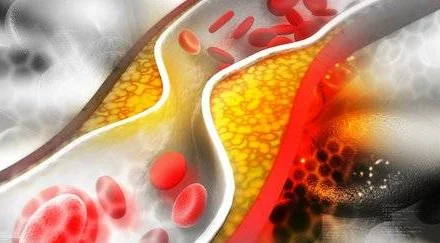
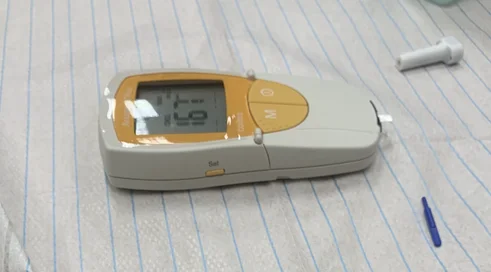
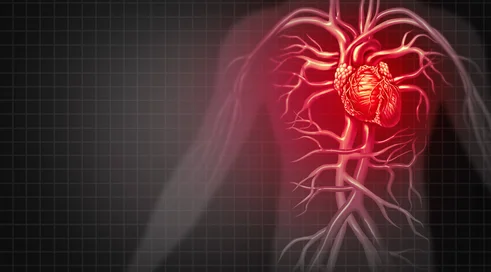
Hypercholesterolemia occurs when doctors notice elevated cholesterol levels in a patient. These are values above 190 mg/dl in serum in healthy people and those at moderate risk. In contrast, the so-called "bad cholesterol" - LDL - should not exceed 115 mg/dl in them. Elevated cholesterol levels cause atherosclerotic plaque to build up in blood vessels for years. This can result in ischemic heart disease, atherosclerosis of the carotid arteries or atherosclerosis of the arteries of the legs. It is often the case that a patient only finds out that he has high blood cholesterol levels after he has had a heart attack. That's why it's so important to get tested. Regular lipid profile testing allows for early detection of abnormalities. A control lipid profile can be examined free of charge at your primary care physician and in the cardiovascular disease prevention program.
A particularly dangerous entity is familial hypercholesterolemia. "Frequent but rarely diagnosed" is how doctors refer to it. Indeed, its incidence is that of type one diabetes in children. However, there is a lack of awareness and screening, so its diagnosis rate is only 5 percent, while in our western neighbors it reaches up to 90 percent. Interestingly, familial hypercholesterolemia is diagnosed in thin people of normal whole weight. However, high levels of LDL cholesterol (very often the index exceeds 159) and at the same time normal values of triglycerides are characteristic. Children who are diagnosed are often athletic, fit, but atherosclerosis is already developing in their blood vessels. Very often they do not have one of their parents. During childhood and in young adults, the disease produces virtually no symptoms. When they do appear, in their thirties to forties, it is not uncommon in the form of severe heart attacks and strokes, often ending in death.