One of the ways to shorten queues in AOS is to be degressive. If the percentage of so-called first-time patients is too low, the clinic will be penalized financially - it will get less money than the contract will provide. - Nothing motivates so much, especially in the health care system, as the issue of financing of services," Health Minister Izabela Leszczyna explained on Friday morning on TVP Info.
Health Minister on queues in AOS

Published Jan. 17, 2025 12:35
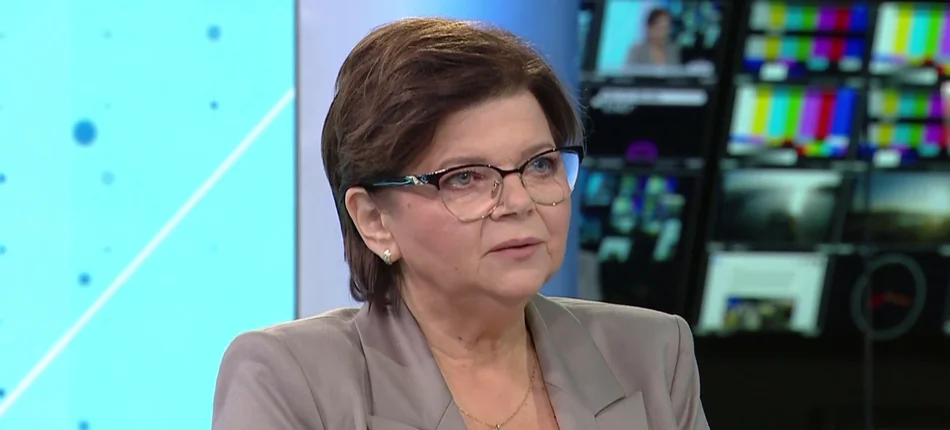
The NFZ's degressive solutions will be introduced already this year, and the effects - in the form of shorter queues - are expected to be felt, according to Izabela Leszczyna, "in the third or fourth quarter." The Health Minister said she discussed the issue during a meeting with district hospital directors.
The head of the health ministry also stressed that the growing queues to specialists are not her failure, but a consequence of the decisions of her predecessors. - In order for the queues to specialists to shorten, more first-time patients - those who have not been to a specialist in the last two years - must be admitted. We will set a certain number of first-time patients that a certain specialty clinic must accept. If it accepts fewer of them, it gets less money. Nothing motivates so much, especially in the health care system, as the question of financing the services," the minister explained. She added that in order to protect those already enrolled in the queues, the solutions will be introduced gradually. - We don't want someone to fall out of the queue and wait even longer to consult a specialist as a result of the introduction of these rules. I think the effects of this program will be visible in the third or fourth quarter of this year," she said.
The topic of queues to specialists has been in the spotlight recently following the publication of the WHC Foundation's latest report, the "Queue Barometer." It shows that the average waiting time for services was 2.4 months in 2024, the longest in the twelve-year history of the "Barometer." Queues lengthened in all categories (visits to specialists, diagnostics, treatments, etc.), although not in all specialties and medical fields - in some there was even a decrease. Experts expect that the NFZ's poor and deteriorating financial condition could lead to even longer waiting times for health services - even with the payer's financial and organizational changes.