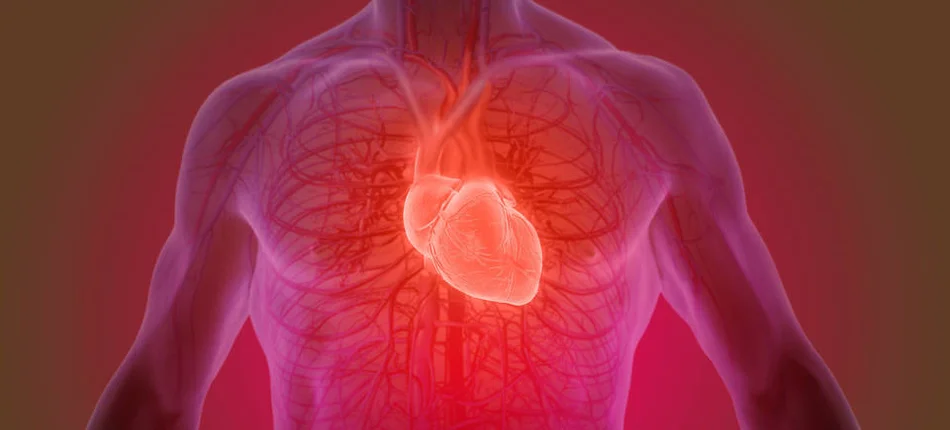
Cardiovascular diseases are the leading cause of death in Poland and worldwide, the National Health Fund reminds us. Lifestyle changes and early diagnosis can reverse this unfavorable trend. Poles can benefit from examinations under the CVD prevention program.
NHF reminds: cardiovascular diseases are the biggest killers

Published April 17, 2024 13:39
Fot. Getty Images/iStockphoto
Despite increasingly better diagnostics and more modern treatment methods, mortality from cardiovascular diseases in Poland is among the highest in Europe. Their development is influenced by many factors related to modern lifestyles, including: inadequate diet, smoking and drinking alcohol, stress or lack of or insufficient physical activity. Long-term exposure to these factors can lead to numerous disorders, including: dyslipidemia, obesity, diabetes or high blood pressure. Only by eliminating inappropriate habits can we greatly minimize the risk of disease.
A Cardiovascular Disease (CVD) Prevention Program has been developed for those at high risk of cardiovascular disease, with the goal of increasing patient knowledge and awareness of cardiovascular disease and healthy lifestyles, but most importantly, reducing by 20% the morbidity and mortality of Poles due to cardiovascular disease.
The CVD prevention program is designed for people between the ages of 35 and 65 who do not have diabetes, chronic kidney disease, familial hypercholesterolemia or certain cardiovascular diseases (you can ask your doctor if you want to participate). The program is open to those who have not benefited from testing under this program in the past 5 years.
The program's overarching goal is to reduce the incidence and mortality of cardiovascular disease by about 20 percent for those covered by the program through early detection and reduction of the incidence and severity of risk factors. Also important are increasing the detection and effectiveness of treatment of cardiovascular disease (CVD), early identification of people at increased risk of CVD, and promotion of healthy lifestyles, namely non-smoking, proper nutrition and physical activity.
The program is implemented by a primary care physician or nurse practitioner. All primary health care clinics are required to implement the program.
Benefits under the program are provided without a referral. All you need to do is report to your primary care physician. The doctor or nurse will interview the patient and refer him or her for tests (blood pressure measurement and biochemical tests). On the basis of these, the doctor will assess the risk of cardiovascular disease and indicate further recommendations, as appropriate: reexamination in 5 years, health education and reexamination in 5 years, leaving the patient under the control of a PCP outside the program, or referral for further treatment to a specialist.
To participate in the program, all you need to do is notify your primary care physician or nurse. You must bring your ID with you to your appointment.