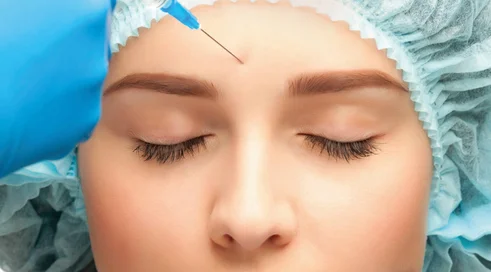
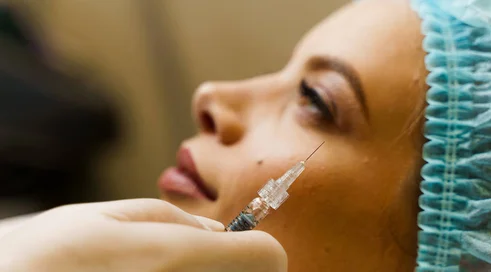
Botulinum toxin, hyaluronic acid, medical lasers or injectable procedures can only be performed by doctors with the appropriate qualifications and certifications, the Health Ministry reminds. In the published communiqué, the ministry clearly indicates that aesthetic-repair medicine procedures are health services with a high risk of complications, and non-doctors - including beauticians and cosmetologists - are not allowed to perform them, even if they have completed courses or training.
Not every certificate gives the right to perform aesthetic medicine procedures. There is an announcement from the Ministry of Health

Published Feb. 2, 2026 07:33

Thinkstock/GettyImages
The Ministry of Health has published a communiqué on the performance of aesthetic-repair medicine procedures, responding to numerous inquiries about the eligibility of those performing such procedures. The Health Ministry leaves no doubt: these are health services that can only be performed by physicians with a license to practice and appropriate certificates confirming the acquisition of professional skills.
The Ministry stresses that aesthetic-repair medicine has for years been part of specialty programs in dermatology and venereology and plastic surgery, among others. Its practice requires not only technical skills, but also a subject and physical examination, patient qualification, exclusion of contraindications, maintenance of medical records and readiness to treat possible complications.
"Aesthetic-repair medicine procedures are health services with a high risk of complications, risk to life or health, and are therefore subject to regulation by the Minister of Health," the communiqué signed by Undersecretary of State Katarzyna Kęcka indicated.
Complications and liability
The Ministry points out that procedures such as injections of botulinum toxin, fillers, platelet-rich plasma or the use of advanced laser technology carry a real risk of complications - from local inflammation to tissue necrosis to systemic complications, which can threaten the patient's health and even life. For this reason, it is crucial that the person performing the procedure has the authority to implement treatment of complications and be fully medically and legally responsible for the entire therapeutic process - from patient qualification to management of adverse situations. The provision of such services constitutes a therapeutic activity within the meaning of the Law on Therapeutic Activity and can only take place in registered entities performing therapeutic activity.
Beauticians and cosmetologists without licenses
The communiqué unequivocally points out that persons not authorized to perform aesthetic-repair medicine procedures are all those who are not professionally qualified as physicians. This includes cosmetologists and beauticians, even if they hold certificates of completion of courses or training in specific procedures. The ministry stresses that such certificates do not confer any authority to perform medical procedures, but only confirm participation in training. Procedures that are part of physicians' specialization programs cannot be the subject of training for other professions at the same time, since they require knowledge and competence specific only to the medical profession.
Scope of procedures reserved for doctors
The Ministry recalls that the minimum standard for certification of professional skills in aesthetic-repair medicine includes, among others, procedures using botulinum toxin, hyaluronic acid, polylactic acid, calcium hydroxyapatite, medical threads, sclerotherapy, lipotransfer, injection lipolysis, medium-depth and deep medical peels, and the use of advanced medical devices, including high-energy lasers and HIFU technology. At the same time, it was noted that treatments with a low risk of complications, such as micro-needle mesotherapy and procedures performed on devices approved by manufacturers for use by people other than physicians, remain outside this scope.
Patient safety a priority
The Health Ministry stresses that the overriding goal of the regulation is to ensure the safety of people who use aesthetic-repair procedures. The boundary between aesthetic-repair medicine and aesthetic cosmetology stems directly from the level of risk and the need for competence to treat complications.
The ministry also points out that it does not regulate non-medical professions, including the profession of cosmetologist and beautician - its authority in this regard is limited exclusively to medical professions and therapeutic activities.
Source: MZ