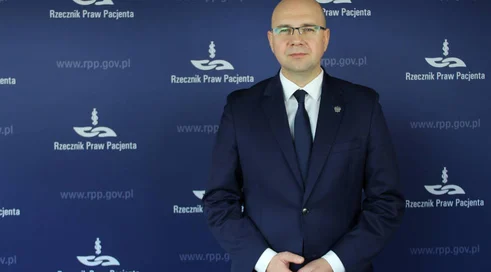
The Order of the Minister of Health dated March 7, 2024, amending the Order on the Establishment of the Plenipotentiary of the Minister of Health for the National Cardiovascular Disease Program for 2022-2032, was published in the OJ of the Ministry of Health.
Prof. Adam Witkowski plenipotentiary of the Ministry of Health for the National Cardiovascular Disease Program

Published March 11, 2024 08:26

The change concerns the health minister's plenipotentiary. Prof. Tomasz Hryniewiecki has been replaced by Prof. Adam Witkowski.
The attorney's responsibilities include:
1) evaluation of ongoing activities in the field of cardiovascular diseases
2) Coordinate the preparation and implementation of the National Cardiovascular Disease Program for 2022-2032.
3) monitoring the effects of the Program, including the implementation of the National Cardiac Network
4) coordination of the preparation of annual schedules for the implementation of the Program, taking into account the distribution of funds among the various areas and activities of the Program
5) coordination of reporting
The Plenipotentiary presents to the Minister of Health:
1) analyses, evaluations, reports, schedules and conclusions
2) proposals for solutions and actions on the tasks referred to in § 3, including proposals for legislative and organizational and financial changes from the area of cardiovascular diseases
3) an annual report summarizing the implementation of the Program.
The overarching goals of the National Cardiovascular Disease Program 2022-2032 are:
1) reduction of CVD morbidity and mortality, including reduction of excess mortality in working-age men (25-64) and bringing health status indicators (life expectancy, death rates, and prevalence) closer to average rates in the EU-27;
2) reduction of regional differences in CVD morbidity and mortality related to access to health services;
3) to reduce the level of classical CVD risk factors in the population, taking into account socioeconomic inequalities in health;
4) to improve the organization of scientific research in cardiology and increase the capacity of scientific research and innovative projects to, among other things, identify the populations most at risk of developing CVD and the main causes of CVD development, and develop diagnostic and therapeutic solutions.
Source: OJ MZ