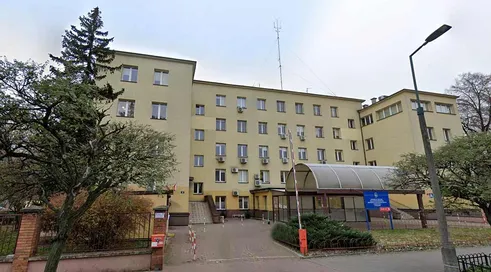
Krakow's John Paul II Specialized Hospital has signed an agreement with the National Health Fund to finance lung transplantation procedures.
Lung transplants in Krakow - there is an agreement with the National Health Fund

Published April 17, 2023 14:05

Fot. iStock/Getty Images
Recall that in December 2022 the hospital received permission from the Ministry of Health to store and transplant lungs taken from deceased donors. So far in Poland, only four cities have performed such operations - Gdansk, Szczecin, Warsaw and Zabrze.
The coordinators of the team responsible for qualifying potential patients for lung transplantation (recipients) at the John Paul II Specialized Hospital in Krakow are clinical transplantologist and cardiac surgeon Jacek Piątek, MD, PhD (deputy head of the Clinical Department of Heart, Vascular and Transplant Surgery), together with clinical transplantation, lung disease and internal medicine specialist Miroslaw Necki, MD, PhD (head of the Interstitial Lung Disease and Transplantation Department).
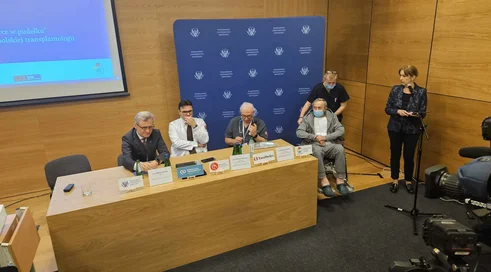
- For many years, the medical staff of the John Paul II Krakow Specialized Hospital has been grappling with multi-disease patients from the Lesser Poland region. A lung transplant program has been added to the wide basket of treatment options for heart and lung conditions in 2023. The John Paul II Specialized Hospital in Krakow has a Clinical Department of Heart, Vascular and Transplant Surgery that successfully transplants hearts. Several years ago, given the growing needs of patients in the macro-region, efforts were made to obtain approval for lung transplantation. In 2022, an interdisciplinary team of doctors began training at the Silesian Center for Heart Diseases in Zabrze, drawing on the experience of transplantologists there. The hospital has now received approval from the National Health Fund to fund the procedures and can begin implementing the lung transplant program. We are at the stage of creating a list of recipients - we are counting on fruitful cooperation with other Hospitals in the macroregion in this regard," says Jacek Piątek, MD, deputy head of the Clinical Department of Heart, Vascular and Transplant Surgery.
- Patients must meet strict criteria for lung transplantation, and after the procedure they face rehabilitation, as well as immunosuppressive treatment to prevent rejection of the transplanted organ. For many, this is the only salvation and a chance to prolong life," says Dr. Miroslaw Necki, head of the Interstitial Lung and Transplantation Unit.
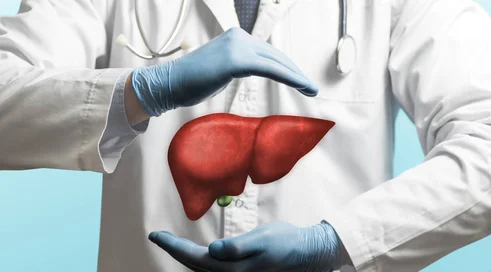
Lung transplantation is a surgical procedure performed on patients with severe and irreversible damage to this organ, in whom other treatment options (pharmacological, rehabilitation, oxygen therapy) have already been used.
The most common lung transplantation patients are those suffering from: chronic obstructive pulmonary disease, idiopathic pulmonary fibrosis, cystic fibrosis, idiopathic pulmonary hypertension and others.
Transplantation involves replacing a patient's diseased lung with a healthy organ taken from a deceased donor.
- The John Paul II Specialized Hospital of Krakow has 35 years of experience in performing heart transplants and the long-term management of such patients. The method of treatment through lung transplantation undertaken by the Hospital's specialists is a unique opportunity to improve treatment results and prolong the lives of extremely and severely ill patients with lung diseases. The performance of such operations has so far been unavailable in Krakow and Małopolska," - says Prof. Dr. Grzegorz Gajos, the Hospital Director's plenipotentiary for education and media contact.
In 2022, 93 lung transplants from deceased donors were performed in Poland. There are currently nearly 140 people on the National Waiting List for transplantation of this organ.
Unfortunately, the number of transplants performed, but also of organ donations in Poland significantly deviates from the results achieved in leading European Union countries.
The field of transplantology has no chance of further development without the acceptance of society. According to Polish law, any deceased person can be considered a potential donor of tissues and organs if they did not object during their lifetime. In practice, it is the family of the deceased who makes the final decision. A statement of intent helps relatives to respect it, and one deceased person can save the lives of up to eight people.
Organ transplantation is often the last and only chance to improve a patient's health and save his or her life.
infra