Health expenditures in Poland have been growing rapidly in recent years, but such a pace is unsustainable. Meanwhile, the solutions that were adopted at the same time condition an even faster rate of cost growth. The system needs a radical overhaul," explained NFZ Deputy Chairman Jakub Szulc during Thursday's debate at the European Economic Congress.
What about this funding?

Published April 27, 2026 07:40
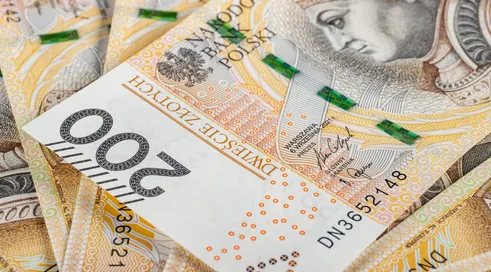
Fot. Getty Images/iStockphoto
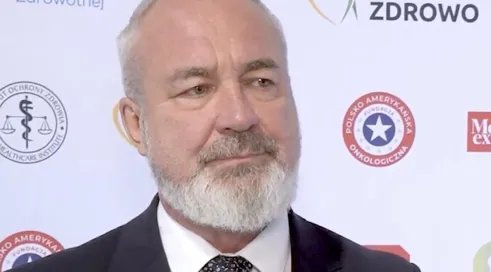
An even harsher assessment of the achievements of the past few years, starting in 2015, was given by the former vice president of the National Health Insurance Fund and now director of the National Institute of Public Health of the National Institute of Public Health, Dr. Bernard Wasko. In his opinion, for a decade there was a lack of an idea of the direction of change, the focus was on topping up money to help put out current fires. - Regulations were created that had nothing to do with rationalizing the system, but only destabilized it and increased costs. I'm talking about all the regulations that are post strike products.
Such a first regulation, in his view, was the so-called Zembal allowance for nurses, which, as of 2015, was "cannibalizing money for benefits." He included in the same group staffing norms converted to the number of beds in a hospital. - The highest staffing norms, as far as nurses are concerned, are in pediatric wards, where there is care with the active participation of the parent, i.e. where this demand for nursing care is relatively the lowest, Bernard Wasko explained.
It is also a waste of public money, he pointed out, to continue in its current form the operation of the Raise Law ("it doesn't solve any real problem") and the program of free 65+ and -18 medicines. The abandonment of these two solutions or their radical reduction, according to the expert, would solve the lion's share of the payer's financial problems. These decisions, however, lie outside the NHF, in the hands of the Health Minister.
At the same time, NFZ Vice President Jakub Szulc reminded that the payer's budget will have to be balanced anyway, as the law imposes such an obligation on the Fund's president. This may happen partly due to the solutions already being implemented (cuts in cost-intensive diagnostics, announced restrictions in AOS or cataract surgery), but this is far from enough. The orders of the president of the National Health Fund may bring, in total, PLN 2-3 billion in savings, when the gap is currently estimated at PLN 17-18 billion. The solution is subsidies from the state budget, primarily from the MZ budget. As Szulc said, the payer's next decisions depend on what decisions are made at the government level and whether there will be (and in what amount) subsidies for the Fund.