Dr. Christine Greer of the Institute for Neurodegenerative Diseases in Boca Raton, Florida, says that by analyzing the optic nerve and retina, it is possible to obtain detailed information about the normalities and abnormalities of our nervous system. This includes a diagnosis for Alzheimer's Disease.
Alzheimer's disease: faster diagnosis based on retinal analysis

Published March 27, 2023 10:35
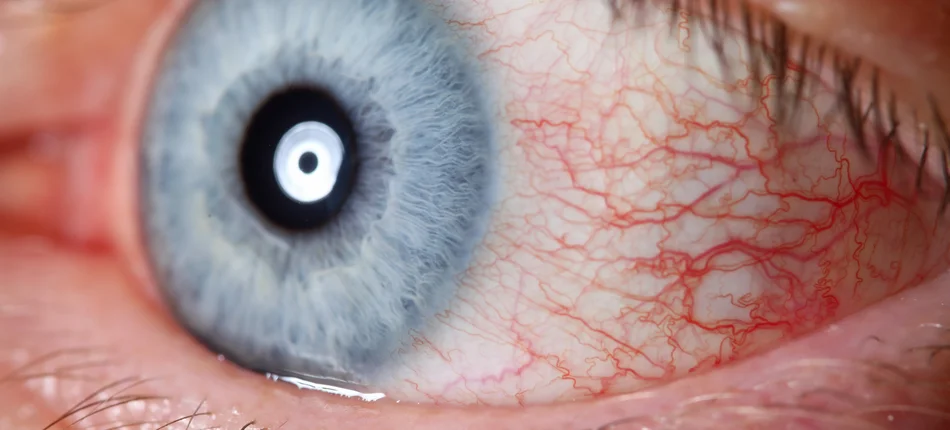
Scientists have drawn the first conclusions from a recent study, which shows that retinal analysis can help diagnose Alzheimer's Disease before its symptoms begin. And as is well known, it can take decades between the onset of the disease in the body and its activity.
If doctors could identify the disease in its earliest stages, patients would gain time to improve their health habits, lifestyle and start controlling risk factors such as diabetes and high cholesterol.
Researchers asked themselves at what stage-at the earliest-can alarming signs of cognitive decline be registered. To this end, they examined retinal and brain tissue from 86 people with varying degrees of mental decline and Alzheimer's Disease. The study material was collected for 14 years. The researchers then compared samples from donors with normal cognitive function to those with mild cognitive impairment and those with later stages of Alzheimer's Disease.
Study author Maya Koronyo-Hamaoui, professor of neurosurgery and biomedical sciences at Cedars-Sinai in Los Angeles, said this is the first such scientific analysis to provide an in-depth assessment of the protein profiles and molecular, cellular and structural effects of Alzheimer's Disease in the human retina and how these changes correspond to changes in the brain. The professor confirmed that the observed changes in the retina correlated with changes in parts of the brain called the entorhinal and temporal cortex, the center of memory, navigation and time perception.
The study, published in the journal Acta Neuropathologica, showed a significant increase in beta-amyloid, a key marker in people with both Alzheimer's Disease and early cognitive decline. The study's findings confirmed an 80% reduction in microglia cells in people with cognitive problems, and these cells are responsible for repairing and maintaining other cells, including clearing beta-amyloid from the brain and retina.
Neurologist Richard Isaacson of the same Institute for Neurodegenerative Diseases said the researchers also found markers of inflammation that could indicate disease progression. According to him, the new eye test will prove useful in the rapid diagnosis of Alzheimer's Disease because, as the scientific analysis confirms, its first signs were also seen in people with no or minimal cognitive symptoms. Isaacson added that the researchers found higher numbers of immune cells closely surrounding amyloid beta plaques, as well as other cells responsible for inflammation and cell and tissue death.
There is no need to rub your eyes in surprise. Everything points to a major breakthrough in medicine. Scientists agree that these findings could lead to the development of imaging techniques that will diagnose this serious disease earlier and much more accurately.
Source: CNN