Fatigue, lack of motivation to act, problems with concentration and a general drop in mood are for many a sign that autumn has settled in for good. Days are getting shorter, and the weather outside the window does not encourage walks in the fresh air. It is then worthwhile to reach for natural remedies that will help you get through this sensitive time. It turns out that a lifesaver for autumn gloom can be regular drinking of coffee, which not only can contribute to improving mood, but can also positively affect alertness and concentration. How is this possible?
Coffee and Health: Struggling with the autumn chill? Support yourself with coffee!

Published Nov. 28, 2023 09:06

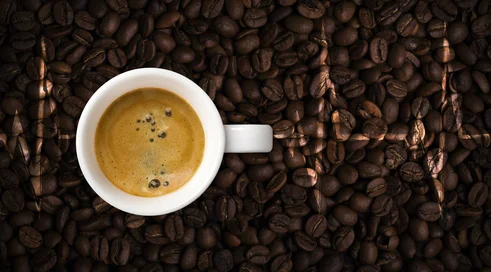
Fot. Getty Images/iStockphoto
Although coffee contains more than a thousand different bioactive substances, it is particularly valued for its high content of caffeine, a mild stimulant that stimulates nervous system activity, influencing, among other things, increased alertness and improved performance during training. Research suggests that moderate consumption of caffeine contained in coffee may therefore be associated with a number of desirable physiological phenomena, including improved physical and mental performance[vi]. This is especially important during the solstice, as this is when we are particularly susceptible to seasonal mood lows.
Seasonal despondency is not an invention
Autumn despondency is a state of unjustified depression and mood swings. The fatigue felt at the time, apathy, mood swings and sleep disturbances are a real problem that many people face during the autumn-winter season. One of the main reasons for this is a lower intake of sunlight, which leads, among other things, to vitamin D deficiencies and, consequently, excessive secretion of melatonin (the night hormone) that regulates day and night. At the same time, the production of serotonin, the so-called happiness hormone, responsible for, among other things, reducing anxiety and fear or feeling joy, also decreases.
Coffee and concentration and alertness
Regular, moderate coffee drinking (3-5 cups per day) can help improve concentration. According to the European Food Safety Authority (EFSA), there is a cause-and-effect relationship between the supply of 75 mg of caffeine servings (equivalent to one cup of coffee) and increased attention and alertness. This is good news for people who struggle with the effects of reduced concentration during the autumn solstice and complain of frequent distraction.
One study, after analyzing the effects of a single dose of 60 mg of caffeine, found a marked improvement in prolonged concentration, alertness, feelings of contentment and good mood. In contrast, another study[x]proved that the consumption of 100 mg of caffeine significantly reduces drowsiness and fatigue, while increasing the noticeable surge of energy.
Coffee can improve mood and immunity
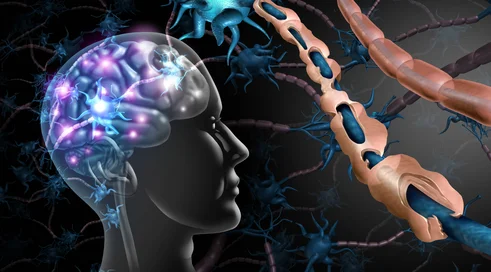
The caffeine content of coffee has a positive effect on chemical processes in the brain. It stimulates the secretion of dopamine, serotonin, epinephrine, norepinephrine or endorphins - extremely important neurotransmitters that are responsible for, among other things, feeling happiness, satisfaction and a surge of energy. Their deficiency can cause lowered mood, sadness and even depression. The results of a study conducted by A. Nehlig of the French Institute for Medical Research (INSERM) in Strasbourg suggest that consuming 87 mg of caffeine (1 cup of coffee) every four hours can sustain improvements in mood over a given 24-hour period. It should be noted, however, that caffeine has a more beneficial effect on regular coffee drinkers than those who consume coffee occasionally or not at all. One scientific study[xi] of about 50,000 women suggests that drinking at least one cup of coffee per week reduces the risk of developing depression by about 15 percent.
The second extremely valuable component of coffee is polyphenolic compounds (including chlorogenic acid, quinic acid or caffeic acid), which have high antioxidant activity. Research reports that they help reduce oxidative stress and may exhibit antiviral, anticancer and anti-inflammatory effects [xii]. Interestingly, a study[xiii] published in the Journal of Agricultural and Food Chemistry by researchers at the University of Copenhagen suggests that immune cells treated with a combination of polyphenols and amino acids from coffee supplemented with cow's milk are twice as effective at fighting inflammation as cells to which polyphenols alone, compounds isolated from coffee beans, were added. Ergo: coffee with milk may have even more effective anti-inflammatory effects than coffee without its addition. In the course of studies on an artificial inflammation model in immune cell cultures, it was shown that when a polyphenol reacts with an amino acid, its inflammation-inhibiting effect in immune cells is enhanced. It can therefore be assumed that combining polyphenols with proteins from milk will have an equally beneficial effect in vivo.
The combination of the beneficial effects of caffeine and polyphenols means that coffee can help improve mood and, most importantly, not only effectively reduce the risk of depression, but also contribute to alleviating its symptoms.
Can regular drinking of "little black" be helpful in improving your mood? Definitely! However, it is worth remembering not to overdo it. As the European Food Safety Authority (EFSA) points out, the recommended safe daily dose of caffeine is up to 400 mg from all sources. And while coffee exhibits a number of health properties - as in any area of life - common sense is advised in the frequency of its consumption. Three to five recommended cups a day, with a properly balanced diet and moderate physical activity, will help you survive the autumn chill and enjoy good health and well-being for longer.
"Coffee i Health" is program informational and educational program, initiated w 2017 r. Under under the auspices of Institute Food and Nutrition Institute (now the National Institute of Public Health PZH - National Research Institute Research Institute) byFoundation "Food, Activity Physical Activity i Health."
Source: press mat.