I put forward the thesis that vaccination of children and adolescents is an opportunity for health stability and demographic reconstruction in young, future families in Poland.
Leszek Borkowski
How to help demographics in Poland

Published Sept. 7, 2023 08:42

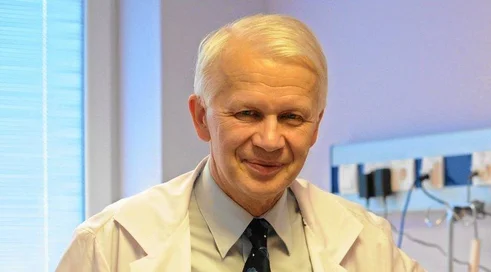
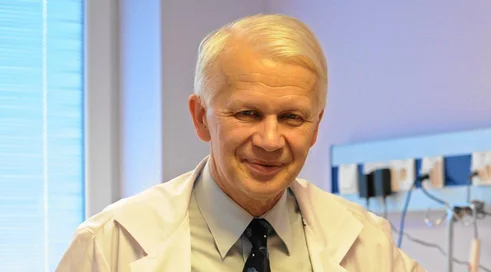
Fot. arch. pryw.
Many people are speaking out on this issue.
I agree with them, because they are smart people.
My view is individual, not global, not holistic, but relevant because the disease and its complications preclude development or even starting a family.
I put forward the thesis that vaccination of children and adolescents is an opportunity for health stability and demographic reconstruction in young, future families in Poland.
Vaccination means protecting children, parents and grandparents, it means fewer human tragedies, fewer patients in the system, less money spent on treating diseases.
I focus on complications of infectious diseases that devastate every family, examples :
HCV infection poses a serious risk of developing hepatocellular carcinoma (HCC) even in successfully treated patients.
Influenza - post -flu cardiac problems, myocarditis and pericarditis - deaths. Post-flu complications can be very dangerous. Post-flu complications include, but are not limited to: pneumonia and bronchitis; pneumonia can be twofold, as it is caused by viruses or bacterial pneumonia; meningitis; spinal cord damage; otitis media.
Lungworm - the incidence of stroke is increased within 6 months of contracting lungworm, especially among those who have had ocular lungworm, post-lungworm neuralgia, secondary bacterial infections of the skin and soft tissues, caused primarily by Staphylococcus aureus or Streptococcus pyogenes.
HPV/human papillomavirus/ - even just the presence of HPV in a pregnant woman can negatively affect the health of both mother and baby, increasing the risk of complications such as spontaneous miscarriage, preterm labor, preeclampsia, intrauterine growth restriction, premature rupture of fetal membranes and even fetal death.
In men, HPV negatively affects various sperm parameters, including motility, morphology and sperm concentration.
This is followed by a number of cancers of the genitals, anus, and face and skull.
RSV respiratory syncytial virus - is particularly dangerous for infants with a not yet developed respiratory system (premature infants). The most common cause of acute lower respiratory tract infection in infants. Causes inflammatory changes in the lungs in them, damages the cilia in the airway epithelium, leading to impaired bronchial patency. Special attention to children especially with underdevelopment of the respiratory system (bronchopulmonary dysplasia), severe heart defects.
Neisseria meningitidis meningococcal sp inal meningitis - an invasive meningococcal disease. It can kill a patient within 24 hours of the onset of symptoms. It is monstrously fast.
In children we have various post-meningococcal complications: bilateral hearing loss, amputations, mental disorders.
And many, many other pathogens destroy our life and health, they also affect the effectiveness of procreative efforts. It is impossible to describe them all in this note.
Therefore, I would very much like to ask the numerous committed and wise people to pass on this information during their professional activity.
Also share with me, Dear Sirs, your vast knowledge about the impact of various pathogens on procreation.
I would be happy and grateful to receive your knowledge and experience by email: [email protected] or [email protected]
Do not fall asleep, do not inhibit your vigilance with temporal matters of lesser importance.
Only together will we succeed in reducing one of the many causes of demographic decline in Poland by persuading in various forms to vaccinate.
Sympathetic Ms. Margaret from the excellent MSD I also say and write in your direction.
Viruses that negatively affect fertility, the fetus and the born child, based on the literature available to me, include:
HSV-1, HSV-2 genital herpes virus, HPV papilloma virus, HBV,HCV hepatitis B and C viruses; CMV cytomegalovirus, HIV causing AIDS.
Bacteria that negatively affect fertility, the fetus and the born child, based on the literature available to me, include :
Chlamydia trachomatis, resembles the gonorrhea split, but is not it /chlamydia/;
Gardnerella vaginalis, inflammation of the genitourinary tract of both,
Megasphaera type 1, bacterial vaginosis,
Mycoplasma genitalium/ hominis, mycoplasma of the genitourinary tract of both sexes,
Neiseria gonorrhoeae, gonorrhea,
Treponema pallidum, pale spirochete, syphilis,
Ureaplasma urealyticum, genitourinary tract infections,
Bacterial vaginosis: Bacterial vaginosis (Gardnerella vaginalis, Atopobium vaginae, Lactobacillus spp., Bacteroides fragilis, Megasphaera type 1, Bacterial vaginosis-associated bacteria 2, Mobiluncus spp.).
Protozoa that negatively affect fertility, the fetus and the born child, based on the literature available to me, include:
Toxoplasma gondii, toxoplasmosis / cat feces, protozoan.
Trichomonas vaginalis the vaginal ciliate, a threadworm that causes cilia.
The fight against the pathogens mentioned is very difficult, because we have vaccines, but children and adults do not want to be vaccinated in their population mass.
I hope that the procreation argument described is compelling enough for some to make them think.
Vaccination protects us from viruses and bacteria.
We have antibiotics, but they are not always effective against bacteria and parasites.
We have a growing number of antiviral drugs, but their effectiveness is not fully satisfactory.
Dr. of Pharmaceutical Sciences Leszek Borkowski
Topics
leszek borkowski