Dr. Marek Derkacz, MD
How to cure Céline Dion?

Published Dec. 27, 2023 08:00
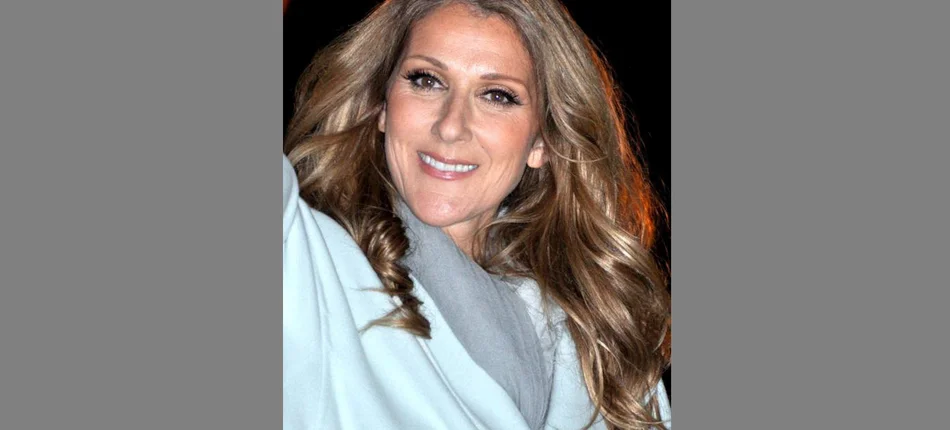
Źródło: Wikimedia
The 55-year-old pop legend first officially shared her diagnosis in December 2022, having already canceled several dates from her scheduled January and April 2023 "Courage World Tour." The cancellation of the long-awaited tour was prompted by the singer's health problems, which caused much concern among fans.
At the time she announced her diagnosis, Céline Dion seemed cautiously optimistic about returning to touring, working with medical experts and therapists to regain control of her body. However, in May 2023, she announced that she had to cancel all remaining tour dates due to her condition, including concerts scheduled for 2024.
The singer of the beautiful hit song "My Heart Will Go On" has openly shared various health problems and rumors about her condition with fans over the years. This time the star admitted that she suffers from an incurable disease - Moersch-Woltmann syndrome, also known as generalized stiffness syndrome or stiff-person syndrome (SPS). A number of medications are used with varying degrees of success in the management of this disease.
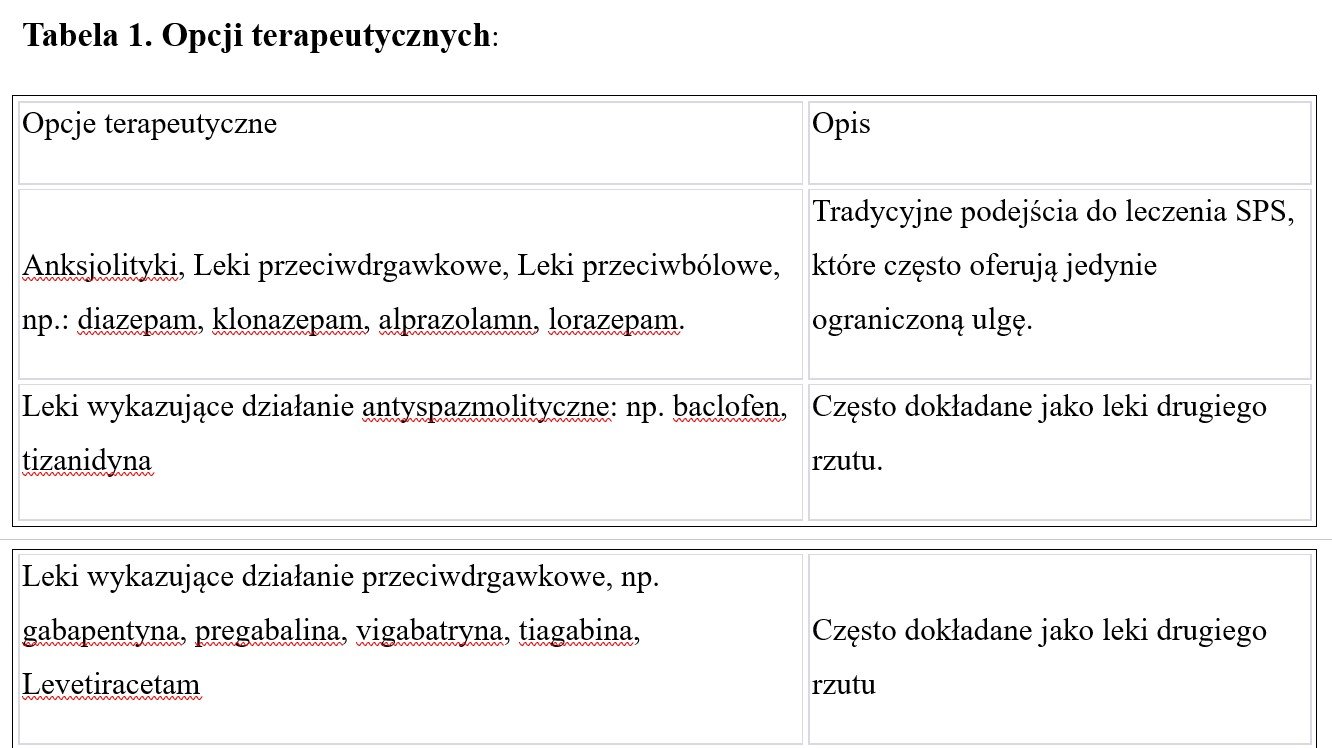
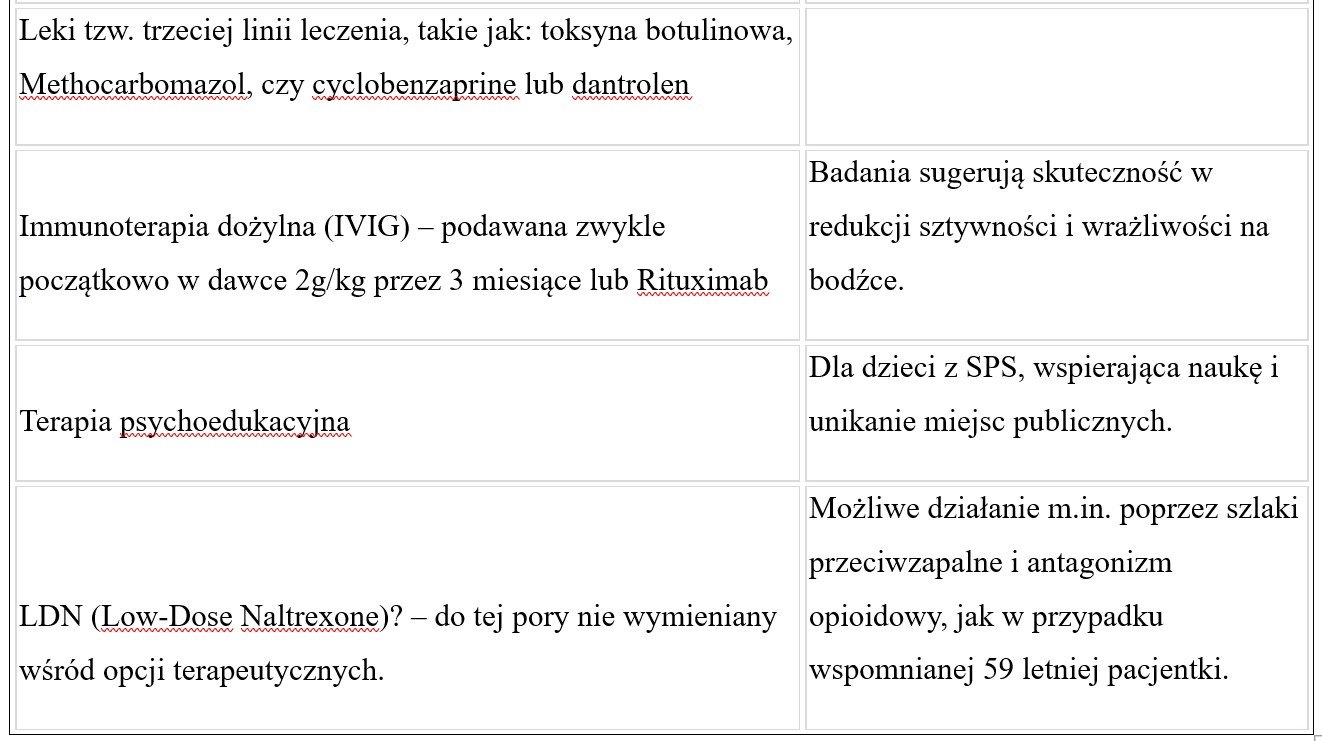
So could LDN therapy hold the key to healing one of the most prominent music stars of our time? It's a question that not only stirs emotions, but also opens the door to a fascinating journey through the scientific, ever-expanding possibilities of modern medicine.
Untapped hope?
In an April 2020 article published in Medical Hypotheses (Issue 137), the authors, Mauro Zappaterra, Elizabeth Shouse and Reed Loring Levine, presented the case of a woman suffering from stiff person syndrome (SPS) who experienced significant improvements in her condition after taking low-dose naltrexone (LDN). Prior to this treatment, other doctors had tried a number of therapies without much success. After 6 weeks of LDN, the 59-year-old woman reported a reduction in pain, anxiety, depression, agoraphobia and resolution of excessive muscle tension. I have not found information anywhere that includes LDN therapy in the treatment of SPS.
It is worth mentioning that this therapy usually shows its effectiveness in some diseases after a few, sometimes only after 12 weeks of use, among other reasons due to the use of gradually increasing doses of the drug, usually starting with 0.5 mg - 1 mg, and ending after a few weeks with a dose of 3 mg to 4.5 mg - depending on the condition.
It is therefore important to inform patients that they may have to wait patiently for results. Failure to do so may result in therapy being discontinued before it spreads its wings and before patients' clinical condition improves.
When analyzing the scientific literature, it is also worth paying attention to its quality, because after dozens of publications confirming the effectiveness of this therapy in many disease states, there are papers in which the authors are often in a conflict of interest, because they have in their careers work for pharmaceutical companies, while the studies they conduct to confirm or contradict earlier theses are too short, and during the course of the study, when their predecessors emphasized that the effect of the drug is sometimes not apparent until the 12th week of the study, they end the study at the 8th week and make statements about the ineffectiveness of LDN therapy.
In the study I cited above, during repeated follow-ups of the patient's condition for up to 12 months after the start of treatment, there was a steady reduction in her symptoms and improvement in the 59-year-old patient's quality of life. Prior to starting this therapeutic treatment regimen, she had tried many therapies, unfortunately with limited results. After 6 weeks of LDN, she reported significant reductions in pain, anxiety, depression, agoraphobia and muscle tension. Over the following 12 months of continued treatment, the patient showed a steady reduction in symptoms and improvement in quality of life.
How can LDN work on the disease that Céline Dion suffers from?
While further research is needed to conclusively confirm efficacy, the results of the described study seem to offer hope. This hope, especially for the holidays, becomes for many a guiding star through the darkness of the illness that afflicts them. As everyone prepares for the holidays, it is worth looking to the future with the hope that soon science and medicine may be able to bring relief to those who need it most.
Before delving into the therapeutic potential of LDN, it is worth understanding how SPS affects patients' lives. Painful muscle stiffness, unpredictable spasms triggered by various stimuli - these are just some of the aspects faced by a person affected by this rare condition.
So, could LDN therapy help Céline Dion's recovery? This is a very interesting question, it remains unanswered for now.
The claim that the effects of Low-Dose Naltrexone (LDN) on opioid receptors can correct muscle tension and alleviate symptoms of Stiff Person Syndrome (SPS) can be based on several potential biological mechanisms. Below I outline the basis that could theoretically support this claim:
Opioid receptors in our nervous system:
LDN, as we know, acts as an opioid receptor antagonist, and thus leads to the blockade of these receptors in the body. Opioid receptors are found in various areas of our nervous system. They can be found in places such as the spinal cord, brain and peripheral nervous system, among others. We know that modification of these receptors can affect the conduction of nerve signals, including those related to the regulation of muscle tone. Thus, blocking these receptors with LDN may favorably influence the balance between excitation and inhibition of nerve signals controlling muscles. As it seems, control of muscle tone is crucial in many neurological diseases. This is especially true for a condition, such as SPS, characterized by excessive muscle tension.
Impact on microglia and inflammation:
We know that microglia are involved in inflammatory responses, which can contribute to inflammation associated with SPS and other neurological diseases. So, therapy with low-dose naltrexone as a modulator of glial cells, particularly microglia in the central nervous system, could theoretically reduce inflammation, so that some of the symptoms associated with the disease could be reduced.
Reduction of symptoms related to the human mental sphere:
As demonstrated in a growing body of scientific literature, and as confirmed by patients in forums bringing together people treated with this method, in various countries, still off-label therapy with LDN , for many diseases, this therapy seems to affect not only the physical symptoms, but also the psychological state of patients, improving their well-being and making them more willing to set new goals for themselves, even in situations where they had previously, prior to therapy, reported weariness with life and exhibited depressive symptoms. In the case reported in the cited journal, the patient reported a reduction in anxiety, depression and agoraphobia, suggesting that LDN may have a beneficial effect on the psychosocial state of patients with SPS Additionally, a reduction in the intensity of pain, anxiety or a cessation or at least a reduction in the severity of depression could contribute to the relief of SPS symptoms.
An individual experience, is the case just presented in a scientific journal of a 59-year-old woman with SPS who reported significant improvement after LDN therapy. It undoubtedly provides a practical example of the potential efficacy of a perhaps underappreciated therapy. Of course, definitive verification of this claim requires further clinical studies and data analysis on a wider group of SPS patients, as well as exploration of the exact molecular mechanisms of LDN's effects on the nervous and muscular systems. Given that the disease is a rare entity, such studies may be quite difficult to conduct.
Let's hope that science backed by artificial intelligence will tackle this, as well as other health challenges. We live in a time when, thanks to artificial intelligence, we are just now discovering new effective antibiotics, so as you can see, hope not only does not die last, but before our eyes it is becoming immortal for us humans, like the brightest of stars in the Christmas sky.
Dr. Marek Derkacz, MBA