In today's increasingly dynamic medical environment, in times of medical shortages, doctors' time is a very valuable resource. Fighting bureaucracy, particularly related to the drug reimbursement process, consumes much of that time. Time that should be devoted to... patients.
Introduction of an independent drug reimbursement system will reduce bureaucracy in medical facilities

Published Nov. 8, 2023 10:11

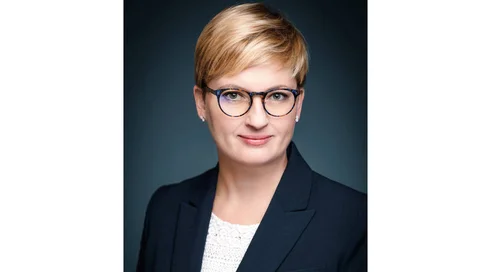
Fot. arch. red.
Determining the degree of reimbursement that often depends on the fulfillment of multiple conditions that can change every few months is a meaningless challenge that Polish doctors must overcome on a daily basis. Introducing an independent reimbursement system could bring many benefits, including reducing bureaucracy, redirecting the wasted time of medical professionals toward patients, and ultimately more time for patients, which should translate into improved health care performance in Poland.
Current reimbursement system
The current drug reimbursement system as we know it is often complicated and time-consuming. Doctors are responsible for determining the level of reimbursement for their patients, which requires a thorough knowledge of the intricate and often unclear regulations that change every few months, as well as the conditions under which a particular drug or preparation is reimbursed. This process involves checking the terms and conditions of reimbursement for drugs, especially since these can change every few months, and the changes can include the number of capsules in a package. Suddenly, a package containing 14 capsules of a drug from company X loses its reimbursement, while a drug from company Y still retains it. The changes also apply to 28 capsule packs, but to a slightly different extent... At the same time, the condition for granting reimbursement becomes a different criterion for disease compensation than before. Reimbursement is granted to patients whose degree of diabetes compensation is HbA1c>= 7.5 while previously it was HbA1c>=7, with an additional condition in the case of GFR <59 ml/min before considering the start of treatment, factors that may increase the risk of lactic acidosis must be analyzed, and the starting dose must not exceed 1/2 of the max dose. Those who fail to familiarize themselves with the changes and incorrectly determine the degree of reimbursement risk financial liability. To make things funnier at the same time, the reimbursement conditions on the websites of the Ministry of Health and the National Health Fund differ significantly. No other country in the world has such a convoluted reimbursement system, and attempts to implicate doctors in financial liability like in Poland would end in protests paralyzing the health service. Unfortunately, doctors in Poland have allowed themselves to be maneuvered into a system that harms patients because it takes time away from proper treatment. Instead of treating, doctors are playing calculators, fortunately, the pathological system is on the decline, and keeping it as it is can only be an expression of ill will, and in the process harming Polish patients, whom doctors have no time to examine, because in fear of penalties they prefer to check the amount of reimbursement due.
Some, in order to avoid penalties and spend time examining the patient instead of checking the reimbursement conditions of the drugs written to the patient, issue prescriptions with 100% payment. The patient gains by being more thoroughly examined, at the expense of acquiring a more expensive drug. Others choose to check the terms of reimbursement, often at the expense of time in which they could have examined the patient or conducted a more thorough medical history. Checking the amount and terms of reimbursement can be very cumbersome and, as the results of the survey showed on a monthly basis, can consume many hours of doctors' time.
Independent reimbursement system
The introduction of an independent reimbursement system means transferring responsibility for this procedure to independent institutions. Such institutions are in charge of determining the degree of reimbursement on the basis of objective financial and medical criteria. Increasingly, however, modern information systems are responsible for determining the degree of reimbursement, where on the basis of electronic patient records filled out by the doctor: AI-artificial intelligence-determines the due degree of drug reimbursement within a second. This means that doctors no longer have to spend time on complicated reimbursement procedures. As a result, they can concentrate on treating patients, and spend the time saved on a more thorough examination or taking a history, which has a not inconsiderable impact on the patient's further treatment, and therefore his health and life.
Less bureaucracy - more time for patients
The drug reimbursement process in its current form often requires doctors to focus on financial issues, documentation and administrative procedures. This leads to a waste of valuable time that they could be spending on more important patient care tasks. The introduction of an independent reimbursement system eliminates these responsibilities from a physician's daily practice.
Focus on treatment
The main task of doctors is to provide patients with the best medical care. As the reimbursement process becomes more complicated and time-consuming, doctors are losing valuable time they could be spending diagnosing, treating and monitoring the health of their patients. An independent reimbursement system allows doctors to focus on the practice of medicine, which is extremely valuable at a time when there is a shortage of medical staff.
Reducing patient stress
Drug costs and availability are often a source of stress for patients. When doctors don't have to spend time on complicated reimbursement procedures, they can better focus on talking to patients, explaining treatment plans and providing support during difficult times.
Better access to care
With a less time-consuming reimbursement process, doctors can take care of more patients, giving them faster access to medical care. This can significantly speed up more accurate diagnosis and treatment of diseases.
Elimination of conflicts of interest
An independent reimbursement system eliminates potential conflicts of interest that can occur when physicians are responsible for determining reimbursement. This contributes to greater objectivity and patient confidence.
Summary
The introduction of an independent drug reimbursement system is a step toward more efficient medical care. Reducing bureaucracy in medical facilities and freeing up doctors' time for the benefit of patients are goals to be pursued. This allows them to focus on what matters most - treating and caring for patients' health.
Q&A:
What is an independent reimbursement system?
An independent reimbursement system is one in which doctors, not independent institutions or computer systems using AI, determine the degree of drug reimbursement.
What are the benefits of an independent reimbursement system?
The main benefits are reduced bureaucracy in medical facilities, more time for doctors to spend with patients and faster access to medical care.
Will physicians lose control of reimbursement due to the introduction of the system?
An independent reimbursement system does not take away doctors' control over treating patients, but eliminates the 21st century's meaningless responsibilities associated with the reimbursement process. Medical professionals' time is not wasted on procedures that should not be their responsibility.
Will patients benefit from this solution?
Yes, patients will benefit from a more thorough examination, better information flow and improved quality of treatment, as well as faster access to medical care.
Is this solution already implemented?
Many countries are introducing independent reimbursement systems, but it depends on the specific healthcare system.
Removing the obligation of doctors to determine reimbursement is a step toward a more efficient, fair and satisfactory health care system. Here are the 10 most important arguments for removing the obligation to determine reimbursement from physicians and the role of politicians in the process as soon as possible:
- Increasing the efficiency of medical care: Removing the obligation of doctors to determine reimbursement will allow them to focus on treating patients, which will bring greater efficiency and improve the quality of medical care in Poland.
- Reduction of bureaucracy: Eliminating the obligation to determine reimbursement will reduce bureaucracy at medical facilities, speeding up processes and saving valuable time for both doctors and patients.
- Objectivity: independent financial institutions, or special AI-based software, will determine reimbursement based on objective criteria, eliminating potential conflicts of interest.
- A test for the government: Removing the obligation to determine reimbursement from physicians can be seen as a test for the government as to whether it is ready to make real changes in the health care system and look out for the interests of patients.
- Reduce pressure on doctors: The current system of penalties and liability means that doctors often prescribe drugs with 100% payment to avoid the risk of errors in reimbursement determinations. Removing this obligation will reduce this pressure.
- Improving the image of doctors: Doctors will become more perceived as professionals whose main goal is the health of patients, rather than managing financial procedures.
- Reducing doctors' stress: The obligation to determine reimbursement often generates stress for doctors, who must closely follow changing regulations and prescribe drugs in accordance with them. Removing this burden will improve doctors' well-being and positively affect their ability to help patients.
- Minimizing the risk of errors: Doctors often make mistakes in determining reimbursement, which can result in further loss of time, generating disputes with patients who have to find the doctor and ask him to correct the prescription, resulting in delays in treatment. Transferring this responsibility to independent institutions/specialized software will significantly minimize the risk of errors.
- Increased patient satisfaction: Reduced waiting times for prescriptions and access to medicines will translate into increased satisfaction among patients, who will receive faster help.
- Internationalization of healthcare: Many countries around the world have already shifted the responsibility of determining reimbursement from doctors to independent institutions/software, where AI is responsible for the reimbursement process. Poland, not wanting to remain in the era of medical medievalism, must follow the same path and make healthcare more patient-friendly.
Dr. Marek Derkacz, MBA, specialist in economics and health care, medical journalist