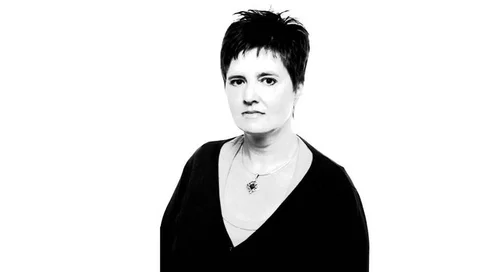
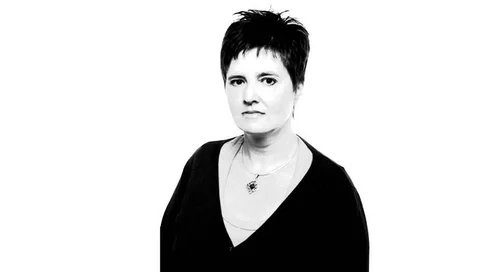
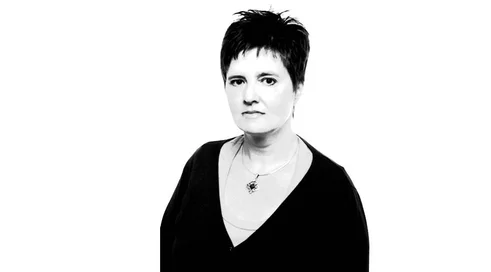
Prof. Wieslaw W. Jedrzejczak
Death of a doctor

Published May 16, 2025 12:11

FOT. ADAM STEPIEN / AGENCJA GAZETA
"Once the emotions have subsided...", one must realize that the risk of being put to death by a patient is inherent in the medical profession. A doctor deals with sick people, including the mentally ill, who do not have their disorders written on their foreheads and, moreover, very rarely cause actual danger.
But sometimes they cause, and sticking with the described example of the prison officer who killed our colleague is the question, could something have been done to prevent this situation? In my opinion, if he had been dismissed from service then he would only have had one more reason to do what he did. He was not given a service weapon, so he used what is (and must be) commonly available, namely a knife. Maybe if he had walked by brandishing that knife and loudly shouting the name of the intended victim then someone would have had time to call the doctor to lock the door. But in all other cases it was unavoidable.
Less drastic cases may be avoidable. And here it may help to have electronic surveillance of access to health care facilities (although in the mentioned case there was no problem of the perpetrator's anonymity), an emergency phone to the facility's security, and even better a so-called "red button", the pressing of which would summon it. But again, so-called security at health care facilities is usually exercised by so-called "grandparents earning their pensions" (because they are the cheapest) and are only able to call for help themselves, preferably the police. In addition to such an alarm, shouting (preferably done by women who have a high-pitched voice) can also be effective, drawing more people to the site. Finally, pepper spray is also something to consider.
In addition, training and practice in the medical management of patient aggression occurring in centers other than those normally equipped for it. There are, after all, both pharmacological methods and mechanical means of direct restraint, such as the so-called straitjacket, which in some cases allow ad hoc control of the problem. For the time being, the so-called safety belts that immobilize the patient in his bed are used relatively frequently, but this is more about protecting the patient from self-harm than protecting the staff from his aggression. By the way, which facilities have an SOP on this problem?
Topics
Wiesław W. Jędrzejczak