First robotic operations in Silesia at the National Health Fund at the Silesian Urovita Urology Center in Chorzów

Published March 17, 2022 12:50
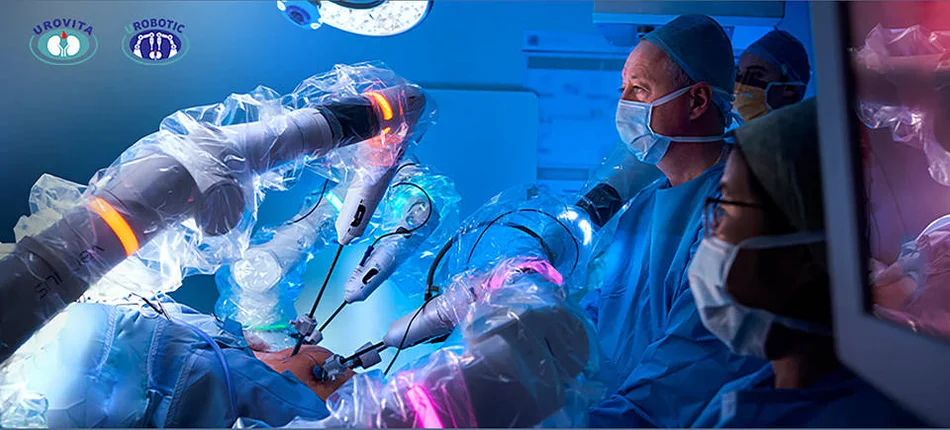
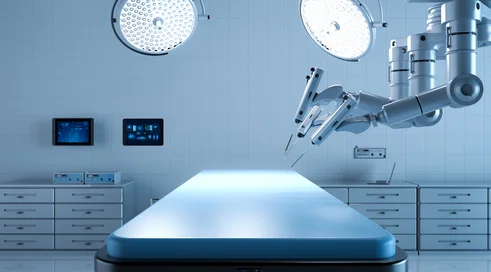
Prostate cancer is the most common oncological disease among men in Poland. Every year, this disease affects nearly 16,000 men, of which as many as of them die. The detection of prostate neoplasms is relatively easy. For diagnostics, only blood tests and a visit to the urologist are necessary. To meet these terrifying statistics, Silesian Urovita Urology Center in Chorzów acquired a surgical robot. This innovative device is currently one of the safest methods of treating oncological diseases. At present, the facility is assisted by a robot and provides urological and gynecological procedures.
Thanks to the new investment, patients and doctors have gained access to an innovative solution that enables operations to be carried out with the least possible interference with the human body. The functionality of the robot allows for nearly 300 operations to be carried out within one year. Its key attributes are safety, precision and intuitiveness. For Urovita Hospital, the capabilities of the surgical robot in the field of urological operations were of key importance from the very beginning. As emphasized by Dr. Andrzej Szurkowski, MD, head of the urology department:
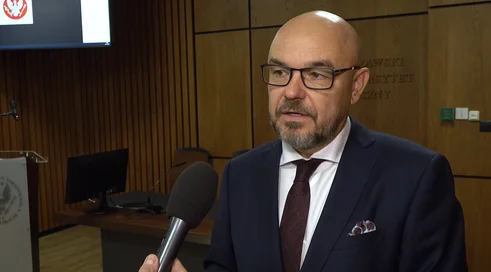
- The first robotic operation at the Urovita Hospital ends the several-year-long process of building a urology center in Chorzów. We have done a lot in 17 years, but now we are entering a great world of innovation. It was thanks to the decision of the management board, the passion of the physicians and the medical team involved that this was achieved.
In the initial phase, the Urobotic program is dedicated to urological procedures, especially the treatment of the prostate. Oncological urological diseases affect more and more people. The vast majority are middle-aged men who struggle with diseases such as prostate cancer, kidney cancer or bladder cancer. The basis for the treatment of all cancers is appropriate and detailed diagnostics. In terms of treatment, this technology allows for minimally invasive procedures that significantly reduce the recovery period and minimize the occurrence of postoperative complications.
Thanks to innovative solutions, the robot improves the effectiveness of treatments, reduces their invasiveness and shortens the patient's recovery time and full strength.
In contrast to classic laparoscopy, the operator can make movements in as many as seven planes (up to 540 degrees), which is impossible with standard tools. The specialists working at the Urovita Urology Center in Chorzów are people with extensive surgical experience in the field of urology and gynecology. At the Urobotic Robot Surgery Center, they deal with operations with the use of a surgical robot. They take care of each patient individually, focusing both on preparation before the operation, the procedure itself, and the recovery period. The surgeons underwent advanced training along with a simulator training program, thanks to which the entry into the world of modern robotic operations was smooth. "Robot-assisted operations offer, among other things, very large possibilities of zooming in on the image of the operating field, reducing blood loss. For the patient, it means greater operational comfort, faster recovery and faster recovery to work. Robot-assisted urological surgery is a chance for no problems with urinary incontinence and sexual life ” - says the drug. Marcin Trzewik - urologist, operator, performing procedures assisted by a surgical robot.
Thanks to the functionality of the robot, it is possible to carry out hundreds of operations a year, giving patients the comfort of a faster recovery due to minimal interference with the human body. In addition, the low invasiveness of the procedure translates directly into a shorter convalescence time, reduction of postoperative scars and faster return to sexual performance. For the sake of the psychological comfort of patients, an individual caregiver is assigned to the patient in the period before and after the treatment. In case of any questions or doubts, he or she remains in constant contact with the patient.

Topics
roboty