Rare cancers account for about 20-25 percent of all oncology diagnoses. They include a variety of cancer types that are difficult to diagnose and treat due to limited clinical knowledge, fewer available therapies and clinical trials. They pose a challenge to both doctors and health systems around the world. In Poland, nearly 43,000 new cases of rare cancers are diagnosed each year.
Rare cancers - a challenge for patients, doctors and the system

Published Nov. 7, 2024 10:53
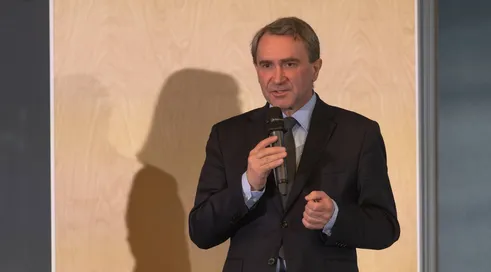
fot. Piotr Wójcik
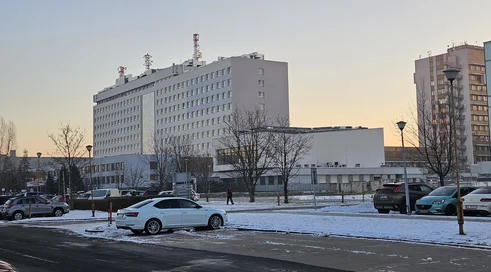
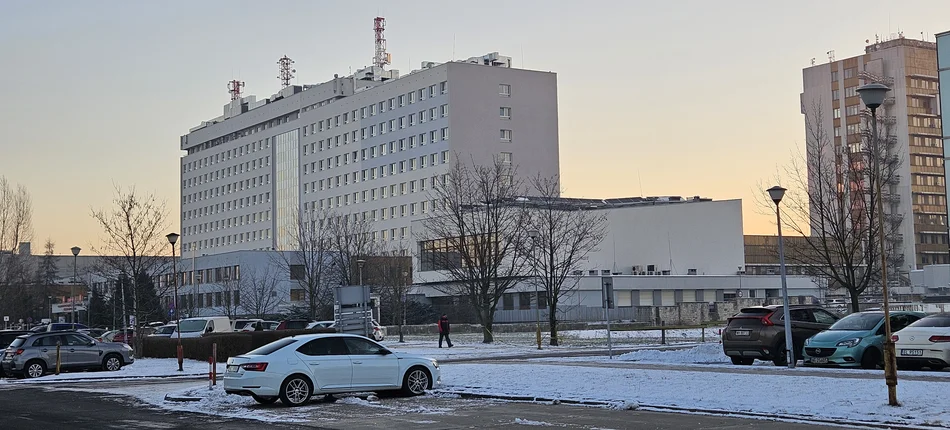
How to effectively treat patients when access to specialized diagnostics and modern therapies for rare cancers is still sometimes limited? These are the issues that will be discussed by experts at the EURACAN board meeting, which will take place on November 7 and 8 at the Maria Sklodowska-Curie National Institute of Oncology - National Research Institute (NIP-PIB) in Warsaw.
European Reference Networks (ERNs) is an initiative of the European Commission working precisely for the benefit of patients with rare diseases, involving experts, providers and patient representatives from all over Europe. ERN EURACAN is a European Reference Network dedicated specifically to rare solid tumors in adults. The network was established by the European Commission in 2017, and brings together 106 highly specialized cancer centers from 26 European countries, as well as patient representatives from the ePAG (European Pacent Advocacy Group).
The National Cancer Institute has been a member of EURACAN since its inception and plays
a key role in this process. The Network's activities cover all rare solid organ cancers in adults, grouping them into 10 areas: connective tissue (sarcomas), female genital organs and placenta, male genital organs and urinary tract, neuroendocrine system, gastrointestinal tract, endocrine organs, head and neck, chest, melanoma of the skin and eye brain and spinal cord. It is worth mentioning that more than 300 rare cancers have been identified to date.
- EURACAN is not only a European support network for patients, but also a platform for knowledge exchange between experts from leading cancer centers across Europe. Activities include developing recommendations, maintaining registries, and educating medical staff and patients, says Prof. Iwona Ługowska of NIO-PIB, a member of EURACAN's board of directors, responsible for creating recommendations for diagnostic and therapeutic management.
The EURACAN board meeting, to be held on November 7 and 8 in Warsaw, is not only an opportunity to share knowledge, but also to develop a strategy to improve care for patients with rare cancers. International cooperation is crucial in effectively addressing the challenges of treating rare cancers.
EURACAN, through coordination between European countries, is helping to create an integrated system of care that meets the needs of patients regardless of where they live.
- Our work is much more than medicine - it's also about building lasting collaborations between experts from leading European reference oncology centers - all for the benefit of rare cancer patients," Prof. Lugowska stresses.
- The organization of this extremely important event at the headquarters of the National Cancer Institute confirms Poland's growing role in the fight against rare cancers. Workshops, sessions and consultations organized as part of the meeting will provide an opportunity to exchange knowledge and set priorities for the coming years, which can significantly influence the further development of oncological care for patients in Poland and Europe," said Prof. Lucjan Wyrwicz, at EURACAN the leader of the group dealing with rare cancers of the digestive system.
Experts attending the meeting are working together on a daily basis to develop new methods for more effective diagnosis and treatment.
- The National Cancer Institute's affiliation with EURACAN is of great importance. Thanks to the fact that our center is part of EURACAN, we can participate in the development of the best standards of care for patients with rare cancers, as well as educate young doctors in leading European centers.- notes the director ofNIO-PIB, Beata Jagielska, M.D., Ph.
The ever-expanding list of reimbursed drugs is also not insignificant for equalizing access to cancer treatment in Poland. In 2023 and 2024 alone, 111 new cancer therapies have been added to the list, and in October of this year, six therapies applicable to the treatment of rare cancers were added to the list. In addition, the Plan for Rare Diseases 2024-2025, adopted by the Council of Ministers in August this year, includes new priorities and funding for diagnosis and therapy for this group of patients.
- This, in addition to EURACAN's activities, is a very important step toward equalizing access to innovative treatments for this group of patients," adds Director Jagielska.
Initiatives such as EURACAN are paving the way to a better future for patients with rare cancers, offering them the chance for more effective treatment and access to modern, personalized therapies. The significant role of Poland and our specialists working in this area cannot be overlooked either.
source: NIO-PIB memo