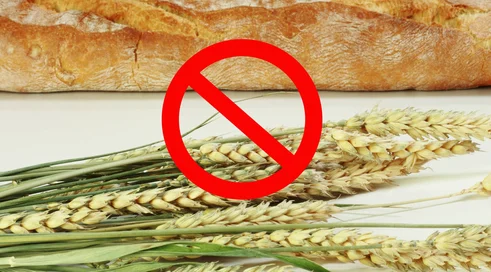
Can gluten also harm those who do not have celiac disease or are not allergic to it? Can "non-celiac and nonallergic gluten sensitivity" somehow be diagnosed - we discuss this with Dr. Ewa Lange of the Department of Dietetics at the Warsaw University of Life Sciences.
Gluten - evil itself or a dietary whipping boy?

Published March 24, 2023 11:15
Fot. Getty Images/iStockphoto
E.L.: There are no indicators by which one can unequivocally recognize this ailment. It should not be assumed that if I feel bad after eating a wheat roll, I probably have this type of gluten sensitivity and must remove it from my diet without any consultation. First you need to rule out celiac disease and allergy. Delayed allergic reaction is not always easy to catch.
Sometimes tens of hours elapse between a meal and symptoms, so it is difficult to associate cause and effect. The group of people with gluten hypersensitivity may include those with a delayed allergic reaction that is difficult to recognize. In the case of sensitization, the hypersensitivity only affects wheat proteins. From the point of view of diet, this is an important finding, because in this situation you can eat rye bread or barley groats without any risk.
The term "non-celiac and nonallergic gluten hypersensitivity" appeared eight years ago, and today there is rather a scientific retreat from the term, as it is a bag into which can be thrown a myriad of ailments with different causes, ranging from the already mentioned delayed allergic reaction to hypersensitivity to other ingredients that often accompany products with gluten.
The latter are, for example, the so-called FODMAPs (fermentable oligo, di- and monosaccharides and polyols), i.e. harder-to-degrade carbohydrates. This group includes not only wheat and rye products, but also some vegetables and fruits, some dairy products and legumes. There are also people who are hypersensitive to substances added to baked goods - in this case, bread or cake is harmful, but no longer pasta or bulgur groats.
E.S.: People suffering from irritable bowel syndrome sometimes also wean themselves off products with gluten. Do they also have gluten hypersensitivity?
E.L.: Not necessarily, the source of ailments can be various food ingredients, not just gluten. It's the previously mentioned FODMAPs, so definitely a larger group of products. Sometimes ingredients generally considered healthy, such as inulin, which is a prebiotic and in healthy people promotes intestinal health, also cause harm. Therefore, having complaints indicating food hypersensitivity, it is better not to assume blindly that the cause is gluten, but to consult a specialist. Especially since the group of people who believe they have irritable bowel syndrome is more likely to have undiagnosed celiac disease than the rest of the population. This hypothesis is worth considering when the discomfort lasts for years and nothing alleviates it.
E.S.: In the group of gluten cereals, namely wheat, rye, barley and oats, are there better and worse cereals, containing more and less gluten?
E.L.: For people with celiac disease, all cereals containing gluten proteins are dangerous, although oats are worth singling out from this group. Oats have different proportions of proteins than other cereals - those causing celiac disease have trace amounts, so if at any stage (from the field to the product) they have not been contaminated by other gluten cereals, people with celiac disease can also consume them. In the store, such oat products have a crossed ear sign, which means there is no gluten in them. These are usually foreign products, because in Poland it is difficult to find crops of such controlled oats. In the case of allergies, wheat is the most common allergen, but it is usually other proteins that cause allergies than those that cause celiac disease.
E.S.: It has been reported that about 30 percent of Americans have at some point weaned themselves off gluten products, claiming to feel better without them. Could it be that as many people are being harmed by gluten cereal proteins, or is this following a dietary trend?
E.L.: Cereals have been present in the human diet for thousands of years, and even if their composition has changed a bit with the development of agriculture, it is unlikely that suddenly in the 21st century they began to cause harm on a massive scale. It's possible that with the discontinuation of gluten, these people were forced to look at their diet and started eating healthier - that's why they felt better. The placebo effect is also not to be underestimated.
E.S.: Some people switch to a gluten-free diet to lose weight. Does that make sense?
E.L.: A gluten-free diet in itself is not a weight loss method. If we give up wheat white bread and replace it with ready-made gluten-free products, such as bread or pasta, which are usually made from heavily refined rice and corn flour, we are unlikely to lose weight. But when we start eating fewer or less caloric foods, then we will lose weight. Gluten itself has nothing to do with it. People with celiac disease on a gluten-free diet are also sometimes overweight. Hardly, some studies show that a restrictive gluten-free diet promotes metabolic syndrome, that is, increases the risk of atherosclerosis, hypertension and type 2 diabetes. Perhaps this is related precisely to the nature of gluten-free ready-made products, which often contain bakery fats, sugar and gluten-free wheat starch. Switching to a gluten-free diet without health indications makes no sense.
E.S.: And how should a person who nevertheless claims to feel better by excluding gluten eat?
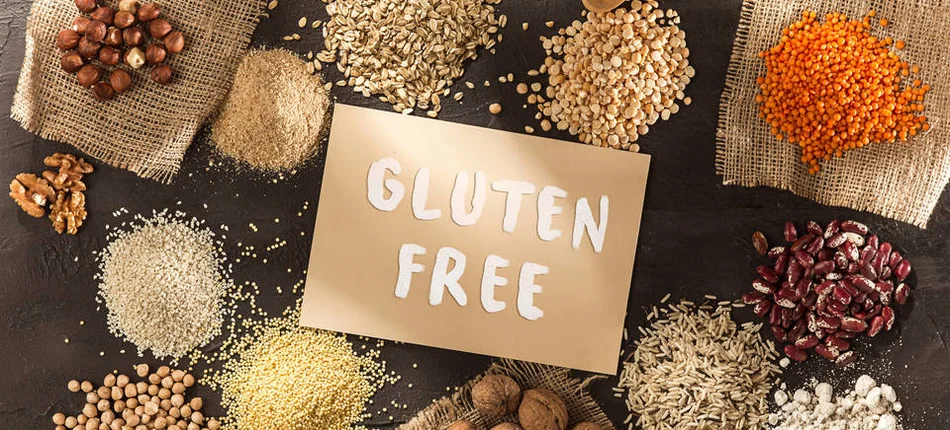
E.L.: If we buy commercial, ready-made gluten-free products, let's read their ingredients and give up products whose main ingredient is refined rice or corn flour. Let's choose whole-grain, not just gluten-free corn flakes. It is worth knowing that classic flakes of this kind contain barley malt, so they are not suitable for people on a strict gluten-free diet. It is also best to avoid products that contain gluten-free wheat starch - these are pure carbohydrates, without nutrients. If you want to eat healthy, you can bake bread at home, using healthy flour blends: to rice or corn it is worth adding buckwheat, millet, amaranth. You should enrich your diet with whole-grain groats: buckwheat, millet, quinoa, sorghum. And above all, the gluten-free menu, like any healthy diet, should be well balanced, full of vegetables, fruits, seeds and nuts.