Researchers from the Wroclaw University of Medical Sciences are testing how essential oils - including thyme and rosemary - can help fight antibiotic resistance, and how their effectiveness depends on the environment and the specific strain of bacteria. This is part of the PUMA project and also the first step toward "essential oil stewardship" - standardized rules for the responsible use of natural substances in therapy.
Not just for beauty. Essential oils can help fight antibiotic resistance

Published Oct. 21, 2025 10:55
Fot. Getty Images/iStockphoto
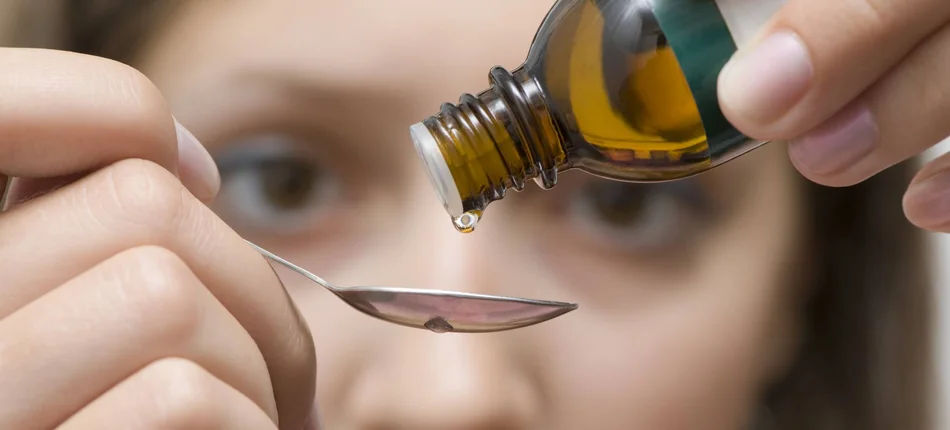
Thyme, rosemary or lavender have been associated with unconventional medicine for centuries. Today, however, these aromatic plants are increasingly coming under the microscope of researchers who are trying to prove their effects on improving health.
- Due to the ever-increasing problem of antimicrobial resistance to antibiotics, the need for antimicrobial products against which microorganisms have not yet acquired resistance is emphasized, says Dr. Malwina Brożyna of the Department of Pharmaceutical Microbiology and Parasitology at the Wroclaw Medical University. She has been studying the properties of essential oils and their therapeutic potential for nearly a decade.
As the researcher points out, each oil is a complex set of chemical molecules that act simultaneously and multidirectionally on bacterial cells.
- You can think of it as a kind of antimicrobial cocktail - a mixture of natural compounds that, in combination therapy, can not only increase the effectiveness of antibiotics, but also reduce the risk of resistance, Dr. Brożyna explains.
Thyme and rosemary under a magnifying glass
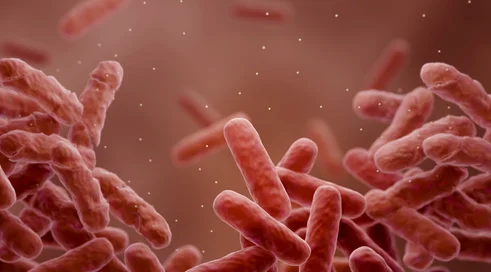
In a recent study, a team of researchers looked at the effect of thyme and rosemary oils againstStaphylococcus aureus. This is a bacterium well known to doctors - it is responsible for many skin and wound infections, and some strains of it are extremely resistant to treatment.
The experiments were conducted under conditions as close as possible to the actual wound environment. The results surprised the researchers: thyme oil showed significantly higher antimicrobial activity in this environment than in the classic laboratory medium, while rosemary oil showed the opposite.
- Such differences show how much efficacy is affected by the conditions under which the experiments are conducted, Dr. Brożyna explains. - If we want oils to really find clinical use, we need to design experiments in a way that reflects what happens in the body, not just in a test tube.
Equally important were differences between the bacterial strains themselves. Some reacted very strongly, others - not at all. This confirms that when analyzing the effectiveness of oils, intra-species variability in microorganisms should be taken into account.
Responsible research - the idea of "essential oil stewardship"
Researchers from Wroclaw point out that fascination with oils must not obscure the need for a rigorous scientific approach. Hence the idea of "essential oil stewardship" - a set of rules outlining how to study and use oils responsibly and reproducibly.
- The idea was born when I noticed that the huge number of non-standardized studies based on inadequate methods was paradoxically slowing down the introduction of oil treatment into clinical practice, says Dr. Brożyna.
The NCN Prelude grant developed detailed methodological guidelines for evaluating the antimicrobial activity of oils. The goal of the project is to ensure that any researcher - regardless of laboratory - can obtain reliable, reproducible results. This is the first step toward creating international testing standards and a viable assessment of the clinical efficacy of these natural substances.
PUMA - the laboratory of the future
The research is being carried out within the framework of PUMA (Platform for Unique Model Applications), under the leadership of Dr. Adam Junka of the UMW Department of Pharmaceutical Microbiology and Parasitology. It's a unit that designs and develops biological and bioengineering models to test the efficacy of antibiotics, antiseptics and natural compounds in conditions similar to real infections.
- PUMA is an environment where we combine microbiology, bioengineering and modern technologies to study biological processes with maximum reliability, Dr. Brożyna explains. - There are also plans to implement models based on artificial intelligence to help predict the effectiveness of test substances and optimize the experimental process.
What's next?
While essential oils will not replace classical pharmacotherapy, they can complement it - especially in the treatment of topical infections. However, stable formulations will need to be developed and fully standardized before they can reach clinical practice.
The biggest challenge is variability - both chemical, due to the origin of the plants, and biological, related to bacterial behavior. Therefore, Dr. Brożyna stresses, a responsible, evidence-based approach to nature is needed.
This material is based on the publication:
Toward essential oil stewardship: strain-resolved evaluation of thyme oil activity against Pseudomonas aeruginosa Malwina Brożyna, Zuzanna Stępnicka, Natalia Tymińska, Bartłomiej Dudek, Katarzyna Kapczyńska, Adam Matkowski, Yanfang Sun, Michał Tomczyk, Adam Junka
and
Establishing essential oil stewardship through the case of rosemary and thyme oils against Staphylococcus aureus Malwina Brożyna, Zuzanna Stępnicka, Katarzyna Kapczynska, Bartlomiej Dudek, Adam Matkowski, Adam Junka.
Source: press mat.